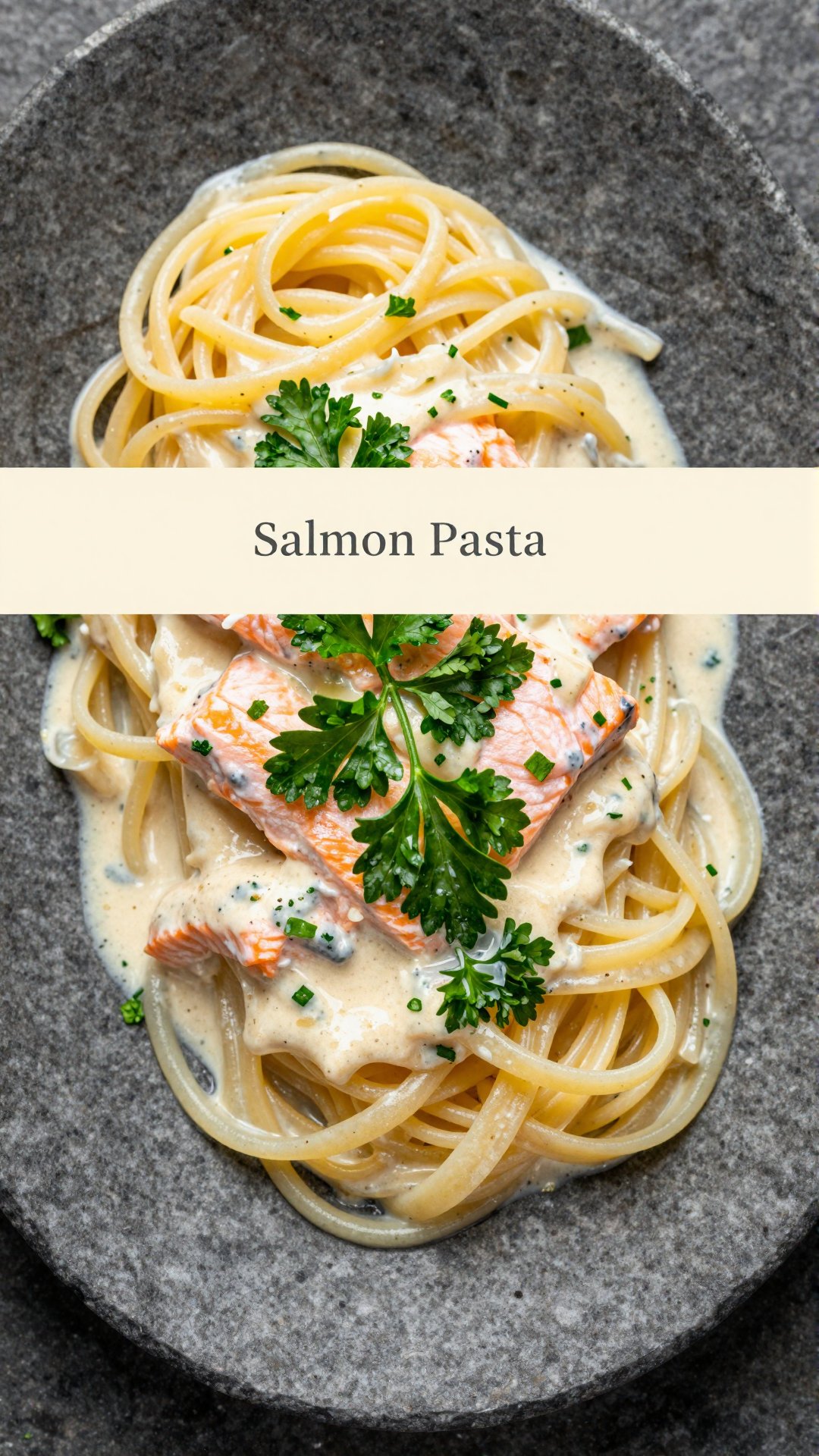
Hey there, friend! It’s Avery here, from my cozy kitchen in Portland. Today, I’m sharing a recipe that’s near and dear to my heart: Gourmet Salmon Pasta with Lemon Cream Sauce. This isn’t just any pasta dish; it’s a hug in a bowl, a burst of sunshine on a rainy day, and a testament to the fact that healthy, delicious food doesn’t have to be complicated or time-consuming. I started making this dish years ago when I was trying to reclaim my health and find joy in cooking again. It’s been a staple ever since, and I can’t wait to share it with you.
This recipe is all about balance – the richness of the salmon, the tang of the lemon, and the comforting creaminess of the sauce. It’s the kind of meal that makes you feel good from the inside out. And the best part? You can have it on the table in just 30 minutes. Perfect for those busy weeknights when you need something quick, satisfying, and nourishing.
Why You’ll Love This Salmon Pasta Recipe
Let’s be honest, there are a million pasta recipes out there. So, why should you try this one? Here are a few reasons why this salmon pasta with lemon cream sauce is a winner:
- Quick & Easy: As I mentioned, this dish comes together in just 30 minutes. That’s faster than ordering takeout!
- Flavor Explosion: The combination of creamy sauce, flaky salmon, and bright lemon is simply divine. It’s a symphony of flavors that will dance on your taste buds.
- Healthy & Nourishing: Salmon is packed with omega-3 fatty acids, protein, and essential nutrients. Paired with whole wheat pasta and a light cream sauce, this meal is both satisfying and good for you.
- Versatile: You can easily customize this recipe to suit your taste and dietary needs. More on that later!
- Impressive: This dish looks and tastes like it came from a fancy restaurant. It’s perfect for impressing guests or treating yourself to a little something special.
Ingredients for Lemon Cream Salmon Pasta
Here’s what you’ll need to create this delightful salmon pasta:
- 8 oz Linguine Pasta: (Feel free to substitute with spaghetti or fettuccine.)
- 1 lb Salmon Fillet: (Use Atlantic or King salmon for the best moisture.)
- 2 tbsp Olive Oil: (Essential for searing.)
- 1 tsp Kosher Salt: (Enhances flavor.)
- 1 tsp Fresh Ground Black Pepper: (Season salmon before cooking.)
- 4 tbsp Unsalted Butter: (Adds creaminess and richness.)
- 2 cloves Garlic: (Minced for extra flavor.)
- 1 cup Heavy Cream: (Do not substitute with low-fat versions.)
- 1 cup Chicken Broth: (Can be partially replaced with dry white grape juice.)
- 2 tbsp Fresh Lemon Juice: (Necessary for a vibrant flavor.)
- 1/2 cup Parmesan Cheese: (Finely shredded for easy blending.)
- 1/4 cup Chopped Parsley: (Adds color and freshness.)
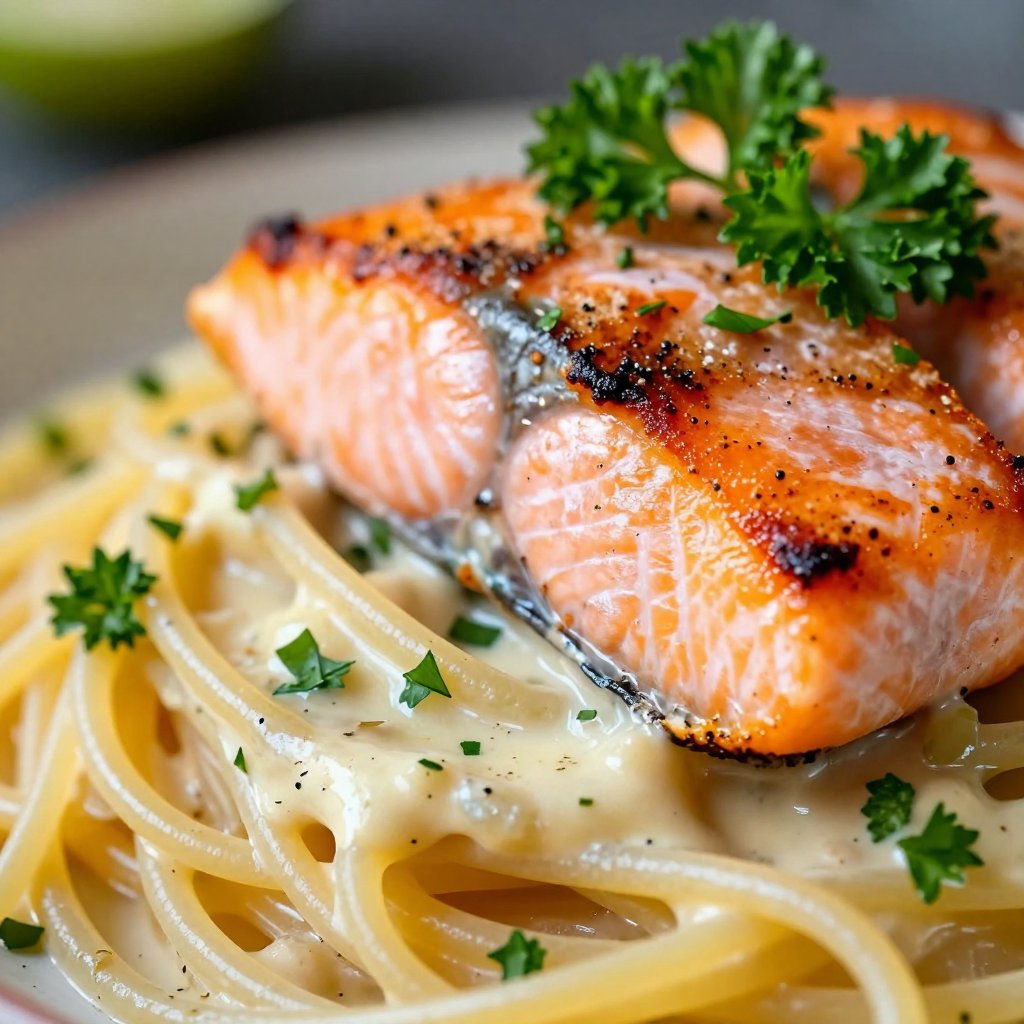
Step-by-Step Instructions to Perfect Salmon Pasta
Alright, let’s get cooking! Here’s how to make this creamy salmon pasta with lemon cream sauce:
- Cook the Pasta: Cook the linguine according to package directions until al dente. Reserve about 1 cup of pasta water before draining.
- Prepare the Salmon: While the pasta is cooking, pat the salmon fillet dry with paper towels. Season with salt and pepper.
- Sear the Salmon: Heat olive oil in a large skillet over medium-high heat. Sear the salmon for 3-4 minutes per side, or until cooked through and flaky. Remove from skillet and set aside.
- Make the Lemon Cream Sauce: In the same skillet, melt butter over medium heat. Add minced garlic and cook for about 1 minute, until fragrant.
- Add Liquids: Pour in heavy cream and chicken broth (or white grape juice). Bring to a simmer, then reduce heat and let it simmer for about 5 minutes, or until the sauce has thickened slightly.
- Incorporate Lemon & Cheese: Stir in lemon juice and Parmesan cheese. Continue to simmer for another 2-3 minutes, until the cheese is melted and the sauce is smooth.
- Combine Everything: Add the cooked pasta to the skillet with the lemon cream sauce. Toss to coat. If the sauce is too thick, add a splash of reserved pasta water to loosen it up.
- Flake the Salmon: Gently flake the cooked salmon into bite-sized pieces and add it to the pasta.
- Garnish & Serve: Garnish with chopped parsley and serve immediately.
Pro Tips for the Best Salmon Pasta
Want to take your salmon pasta to the next level? Here are a few pro tips:
- Don’t Overcook the Salmon: Overcooked salmon is dry and rubbery. Aim for a perfectly cooked fillet that’s flaky and moist. A digital thermometer can be your best friend here; aim for an internal temperature of 145°F (63°C).
- Reserve Pasta Water: This starchy water is liquid gold! It helps to thicken the sauce and create a creamy, emulsified texture. Always reserve some before draining the pasta.
- Fresh Lemon Juice is Key: Bottled lemon juice simply doesn’t compare to the bright, zesty flavor of fresh lemon juice. Trust me, it makes a huge difference.
- Use High-Quality Parmesan: Invest in a good-quality Parmesan cheese. The flavor will be much richer and more complex than the pre-shredded stuff.
- Taste and Adjust: The most important tip of all! Taste the sauce as you go and adjust the seasonings to your liking. Need more lemon? Add a splash! Want more garlic? Go for it!
Common Mistakes to Avoid When Making Salmon Pasta
We all make mistakes in the kitchen, but here are a few common ones to avoid when making salmon pasta:
- Using Low-Fat Cream: This is not the time to skimp on the fat. Low-fat cream won’t thicken properly and will result in a watery sauce. Stick with heavy cream for the best results.
- Overcooking the Garlic: Burnt garlic is bitter and unpleasant. Sauté the garlic over medium heat and watch it carefully. It should be fragrant but not browned.
- Adding Cold Pasta to the Sauce: Cold pasta will cool down the sauce and prevent it from clinging properly. Make sure to add the pasta to the sauce while it’s still hot.
- Forgetting to Season: Salt and pepper are your friends! Don’t be afraid to season the salmon, the sauce, and the pasta water generously.
- Not Serving Immediately: This dish is best served immediately. The pasta will continue to absorb the sauce as it sits, resulting in a dry and clumpy mess.
Variations on Salmon Pasta with Lemon Cream Sauce
One of the best things about this recipe is how easy it is to customize. Here are a few variations to try:
- Gluten-Free Salmon Pasta: Use gluten-free pasta to make this dish suitable for those with gluten sensitivities. There are many great gluten-free pasta options available these days, so experiment and find one you like.
- Vegetarian Salmon Pasta: Okay, this might sound odd, but you can add other veggies to the dish. Asparagus, peas, or sun-dried tomatoes would be delicious additions.
- Spicy Salmon Pasta: Add a pinch of red pepper flakes to the sauce for a little kick.
- Seafood Medley: Add shrimp, scallops, or mussels to the pasta for an extra-special seafood feast.
- Different Herbs: Experiment with different herbs. Dill, thyme, or chives would all be lovely additions to the sauce.
How to Store and Reheat Salmon Pasta
If you have leftovers (which is rare in my house!), here’s how to store and reheat them:
- Storage: Store the salmon pasta in an airtight container in the refrigerator for up to 2 days.
- Reheating: Reheat the pasta in a skillet over medium heat, adding a splash of milk or cream to loosen the sauce. You can also reheat it in the microwave, but be careful not to overcook the salmon.
Keep in mind that the pasta may dry out slightly upon reheating, so you may need to add a little extra liquid to restore its creamy consistency.
Frequently Asked Questions About Lemon Cream Salmon Pasta
Here are some common questions I get asked about this recipe:
- Can I use frozen salmon? Yes, you can use frozen salmon. Just make sure to thaw it completely before cooking.
- Can I make this recipe ahead of time? While you can cook the pasta ahead of time, I don’t recommend making the entire dish in advance. The pasta will absorb the sauce and become mushy.
- Can I use a different type of pasta? Absolutely! Feel free to use any type of pasta you like. Penne, rotini, or farfalle would all work well.
- Can I add vegetables to this dish? Yes, you can add vegetables to this dish. Asparagus, peas, spinach, or sun-dried tomatoes would all be delicious additions.
- Can I freeze this dish? I don’t recommend freezing this dish. The cream sauce may separate upon thawing, and the pasta may become mushy.
Serving Suggestions for Salmon Pasta
This salmon pasta is delicious on its own, but here are a few serving suggestions to round out your meal:
- Side Salad: A simple green salad with a light vinaigrette is the perfect complement to this rich pasta dish.
- Garlic Bread: Crusty garlic bread is always a welcome addition to any pasta meal.
- Roasted Vegetables: Roasted asparagus, broccoli, or Brussels sprouts would be a healthy and delicious side dish.
- White Wine: A crisp, dry white wine like Sauvignon Blanc or Pinot Grigio pairs beautifully with salmon pasta.
- Lemon Wedges: Serve with extra lemon wedges for those who like an extra burst of citrus flavor.
There you have it – my go-to recipe for Gourmet Salmon Pasta with Lemon Cream Sauce! I hope you love it as much as I do. Remember, cooking should be fun and relaxing, so don’t be afraid to experiment and make this recipe your own. And if you do, be sure to share your creations with me! I can’t wait to see what you come up with. Happy cooking!
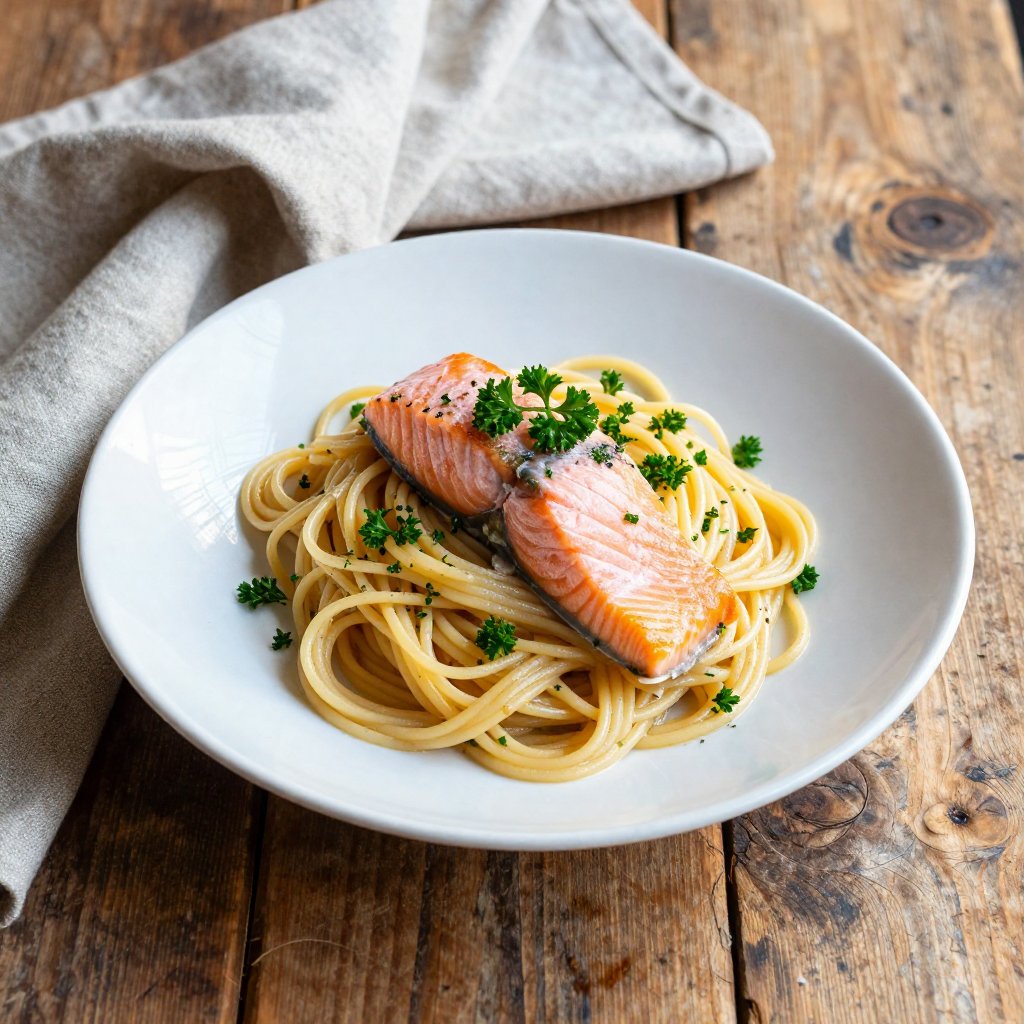
Gourmet Salmon Pasta with Lemon Cream Sauce in 30 Minutes
Ingredients
Pasta
- 8 oz Linguine Pasta (Feel free to substitute with spaghetti or fettuccine.)
Salmon
- 1 lb Salmon Fillet (Use Atlantic or King salmon for the best moisture.)
Seasoning
- 2 tbsp Olive Oil (Essential for searing.)
- 1 tsp Kosher Salt (Enhances flavor.)
- 1 tsp Fresh Ground Black Pepper (Season salmon before cooking.)
Sauce
- 4 tbsp Unsalted Butter (Adds creaminess and richness.)
- 2 cloves Garlic (Minced for extra flavor.)
- 1 cup Heavy Cream (Do not substitute with low-fat versions.)
- 1 cup Chicken Broth (Can be partially replaced with dry white grape juice.)
- 2 tbsp Fresh Lemon Juice (Necessary for a vibrant flavor.)
- 0.5 cup Parmesan Cheese (Finely shredded for easy blending.)
- 0.25 cup Chopped Parsley (Adds color and freshness.)
Notes
Nutrition