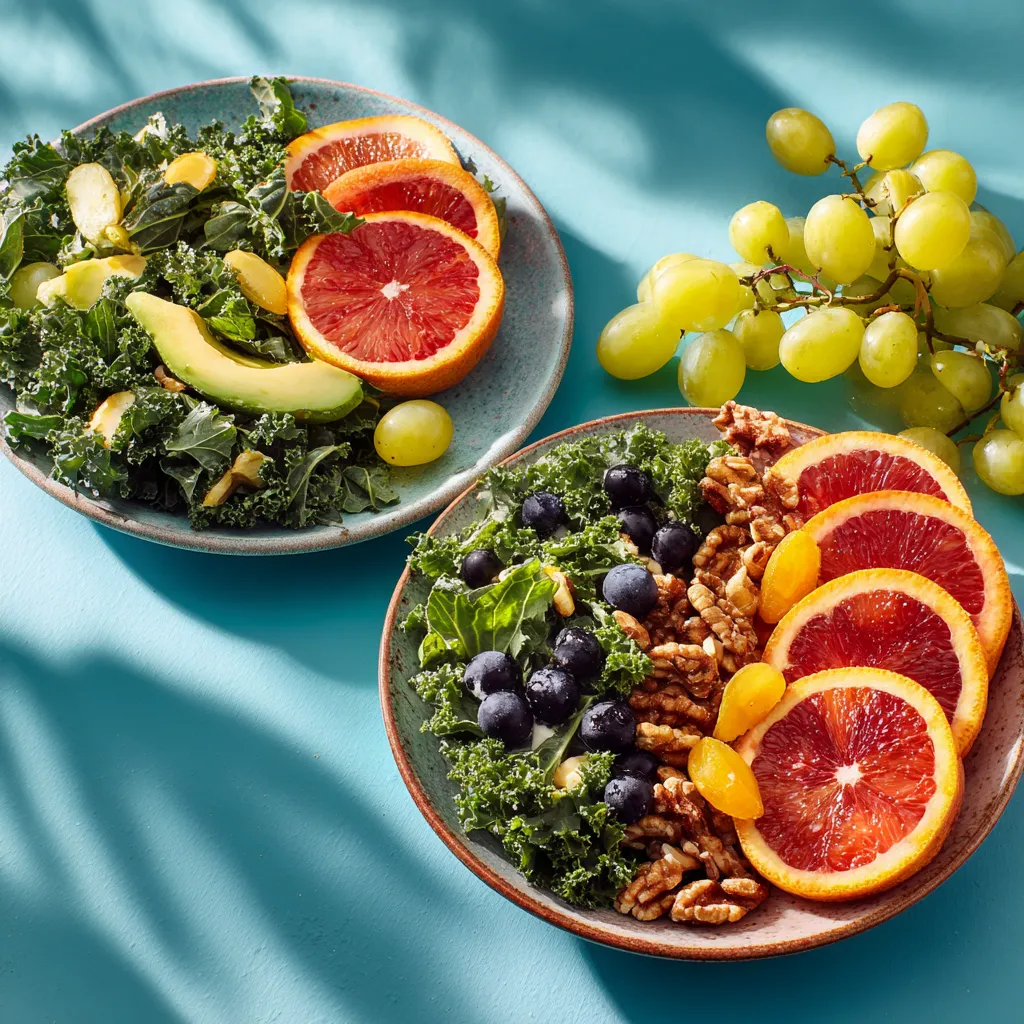
Unlocking the Healing Power of Food: Food as Medicine
Welcome to a culinary journey where every ingredient holds the potential to heal, nourish, and invigorate your body and spirit. Today, we’re diving deep into the transformative concept of food as medicine, a philosophy that has been gaining traction in the world of wellness. This approach not only emphasizes the nutritional value of what we eat but also the profound impact it can have on our overall health. By understanding how to harness the healing properties of food, we can create meals that are not just delicious but also restorative.
In this definitive guide, we’ll explore the essence of food as medicine, its vast benefits, and how you can seamlessly incorporate this philosophy into your kitchen. Get ready to embrace flavorful, health-boosting meals that make you feel alive and empowered!
Why You’ll Love This Recipe
- Holistic healing: Harness the natural healing properties of ingredients that nourish both body and soul.
- Flavor explosion: Experience vibrant, bold flavors that awaken your palate and keep your taste buds dancing.
- Easy integration: Learn how to incorporate these principles into your daily cooking without overwhelming your routine.
- Versatile options: Discover how to adapt recipes to fit various dietary needs while keeping them delicious.
- Empowerment: Gain the confidence to experiment and create your own unique dishes that are both healthy and satisfying.
Ingredient Breakdown: The Essentials
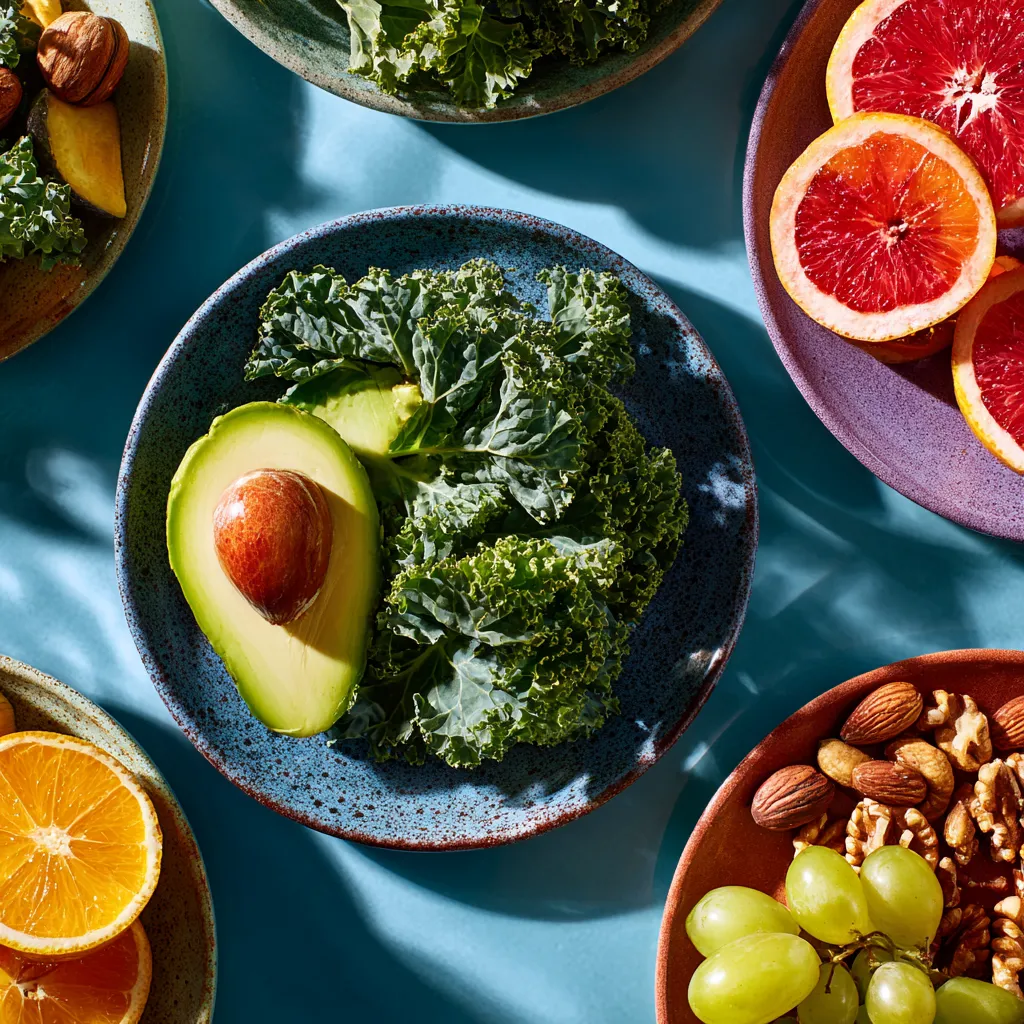
Creating your food as medicine masterpiece starts with choosing the right ingredients. Here’s a breakdown of what you’ll need, along with some smart substitutions to enhance your dishes:
- Leafy greens: Spinach, kale, or arugula are nutrient-dense options. Substitution: Swiss chard or collard greens can also work well.
- Tomato: Rich in antioxidants, fresh tomatoes add flavor and color. Substitution: Use roasted red peppers for a smoky twist.
- Cucumber: Adds crunch and hydration. Substitution: Zucchini offers a similar texture.
- Nuts: Walnuts or almonds provide healthy fats and protein. Substitution: Try sunflower seeds for a nut-free option.
- Olive oil: A heart-healthy fat that enhances flavor. Substitution: Avocado oil can be used for a different flavor profile.
- Apple cider vinegar: A tangy addition that aids digestion. Substitution: Lemon juice can provide a fresh acidity.
- Herbs: Fresh basil or parsley adds an aromatic touch. Substitution: Try cilantro or dill for a different flavor experience.
Pro Tips for Mastering Food as Medicine
Expert Insights
- Start small: Don’t feel pressured to overhaul your entire diet overnight. Gradually introduce one or two healing foods each week.
- Listen to your body: Pay attention to how different foods affect your mood and energy levels. Use this knowledge to guide your cooking choices.
- Color is key: Aim to fill your plate with a rainbow of fruits and vegetables to maximize nutrient intake.
- Batch cooking: Prepare meals ahead of time, allowing you to easily access nourishing options during busy weeks.
- Season with purpose: Use spices like turmeric and ginger that not only flavor your food but also provide anti-inflammatory benefits.
- Stay hydrated: Pair your meals with infused water or herbal teas to enhance digestion and detoxification.
- Mindful eating: Take your time to savor each bite, promoting better digestion and a more satisfying eating experience.
- Experiment: Don’t be afraid to try new combinations and techniques. Cooking should be fun and an adventure!
Avoiding Common Mistakes
As you embark on this culinary adventure, here are some common pitfalls to watch out for:
- Over-complicating recipes: Keep it simple! Focus on a few key ingredients that shine instead of overwhelming flavors.
- Ignoring seasonal produce: Seasonal fruits and vegetables are often more flavorful and nutrient-rich. Make them the star of your meals.
- Neglecting balance: Ensure your meals include a mix of macronutrients – proteins, fats, and carbohydrates – for sustained energy.
- Skipping herbs and spices: These are not just flavor enhancers; they are packed with health benefits that can elevate your dishes.
Delicious Variations to Explore
Once you’ve mastered the basics, consider these fun variations to keep your meals fresh and exciting:
- Protein-packed salad: Add grilled chicken or chickpeas for a heartier dish.
- Spicy kick: Incorporate jalapeños or a drizzle of sriracha for added heat.
- Warm bowl: Serve the ingredients over quinoa or brown rice for a comforting, warm meal.
- Soup it up: Blend the ingredients with vegetable broth for a nourishing soup that warms the soul.
Storage and Make-Ahead Instructions
To keep your meals as fresh as possible, follow these guidelines:
- Refrigerate: Store prepared salads in airtight containers for up to 3 days. Keep dressings separate until ready to serve.
- Freeze: Soups can be frozen for up to 3 months. Just reheat and enjoy when you need a quick meal.
- Make-ahead dressing: Whisk up a batch of your favorite vinaigrette and store it in the fridge for easy access.
FAQ: Your Questions Answered
1. What is the food as medicine philosophy?
This approach emphasizes the healing properties of foods, advocating for a diet rich in whole, nutrient-dense ingredients to promote health and prevent disease.
2. Can I still enjoy my favorite comfort foods?
Absolutely! You can adapt comfort foods by incorporating healthier ingredients or using cooking methods that enhance their nutritional value.
3. How do I know which foods are best for me?
Listen to your body and consider consulting a nutritionist to tailor your diet to your individual health needs and preferences.
4. Are there specific foods I should avoid?
While it’s essential to enjoy everything in moderation, highly processed foods, excessive sugar, and refined grains can detract from your health.
5. How can I incorporate more spices into my cooking?
Start by adding a pinch of your favorite spices to everyday dishes and experiment with new combinations to discover what you love.
6. Is meal prepping necessary?
It’s not necessary, but meal prepping can save time and help ensure you have healthy options readily available.
7. What if I have dietary restrictions?
Focus on whole foods that fit your dietary needs and get creative with substitutions to ensure your meals are still flavorful and nutritious.
8. How do I stay motivated to eat healthily?
Find joy in cooking, experiment with new recipes, and remember that every meal is an opportunity to nourish your body.
Nutrition Tips and Dietary Adaptations
Whether you’re vegetarian, vegan, or following a gluten-free diet, food can be medicine for everyone! Here are some tips to adapt:
- Vegans: Replace animal proteins with legumes, nuts, and whole grains for complete nutrition.
- Vegetarians: Incorporate eggs and dairy for added protein and nutrients.
- Gluten-free: Use alternative grains like quinoa, rice, or buckwheat to keep meals satisfying.
Essential Equipment for Your Kitchen
Equipping your kitchen with the right tools can make the cooking process smoother and more enjoyable:
- High-quality knives: Essential for preparing fresh ingredients with precision.
- Cutting boards: Invest in multiple boards to avoid cross-contamination.
- Blender or food processor: Perfect for creating sauces, dressings, and soups.
- Storage containers: Keep your prepped ingredients fresh and organized.
Serving Suggestions: Bringing It All Together
Presentation matters! Serve your dishes in colorful bowls, garnish with fresh herbs, and pair with complementary sides to elevate your meals. Remember, food is not just sustenance; it’s an experience, a celebration, and a way to connect with others.
Conclusion: The Adventure Awaits!
As you embark on your journey of cooking with the philosophy of food as medicine, remember that every meal is an opportunity to enhance your health and well-being. Embrace the vibrant flavors, the excitement of experimentation, and the joy of nourishing your body. So grab your skillet, unleash your inner chef, and let the adventure begin! Because in the world of food, spice is not just a flavor; it’s a story waiting to be told.
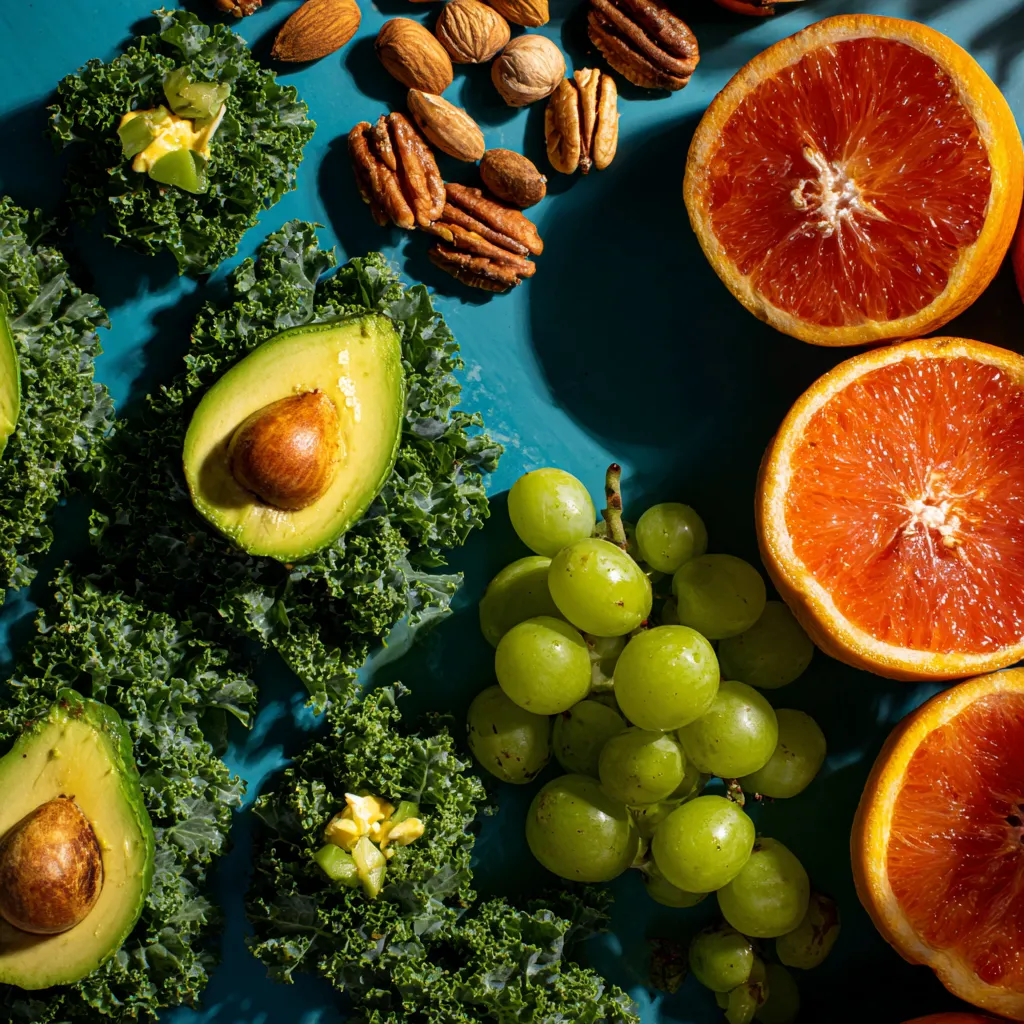
Food as Medicine: What It Means and How to Reap the Benefits
Ingredients
Main ingredients
- 1 cup leafy greens (spinach, kale, or arugula)
- 1 medium tomato, chopped
- 1/2 cucumber sliced cucumber
- 1/4 cup walnuts or almonds
- 1 tablespoon olive oil
- 1 tablespoon apple cider vinegar
- to taste salt and pepper (for seasoning)
- optional herbs like basil or parsley (for garnish)
Instructions
- Wash greens and combine with tomato and cucumber in a bowl.
- Add nuts and prepare dressing by whisking olive oil, vinegar, salt, and pepper.
- Drizzle dressing over salad and toss gently.
- Garnish with herbs if desired and serve immediately.
Notes
Nutrition
Loved this recipe? Save it to your favorite Pinterest board so you can easily find it later! It’s the perfect way to keep all your sweet ideas in one place. ✨