
Welcome to the World of Spaghetti Squash
Ah, the humble spaghetti squash. It’s not just a low-carb substitute for pasta; it’s a versatile ingredient that can transform your dishes into delightful culinary adventures. In this article, we’ll explore how to cook spaghetti squash in the oven, uncovering the secrets to achieving the perfect texture and flavor. Whether you’re a seasoned chef or just starting your cooking journey, this guide will empower you to embrace the magic of this vibrant squash.
Why You’ll Love This Recipe
Cooking with spaghetti squash is not only easy but also rewarding. Here are five reasons why you’ll love this recipe:
- Versatility: Spaghetti squash can be used in a variety of dishes, from savory to sweet. You can pair it with marinara, pesto, or even a zesty lemon sauce.
- Low-Calorie Option: If you’re looking to cut carbs, spaghetti squash is a fantastic alternative to traditional pasta, allowing you to enjoy your favorite dishes without the guilt.
- Rich in Nutrients: This squash is packed with vitamins A and C, fiber, and antioxidants, making it a nutritious addition to your meals.
- Easy to Prepare: With just a few simple steps, you can prepare spaghetti squash in the oven, freeing you up to focus on other elements of your meal.
- Fun for Everyone: Cooking spaghetti squash is a great activity to get the whole family involved. Kids love helping to scrape out the strands and can even customize their own toppings!
Ingredients You’ll Need
To make your delicious spaghetti squash, gather the following ingredients:
- 1 medium spaghetti squash (about 2 pounds)
- 1 teaspoon extra virgin olive oil
- 1/2 teaspoon kosher salt
- 1/4 teaspoon ground black pepper
If you’re looking for substitutions, consider using avocado oil instead of olive oil for a different flavor profile. You can also experiment with different spices or add some garlic powder for an extra kick.
Pro Tips for Perfect Spaghetti Squash
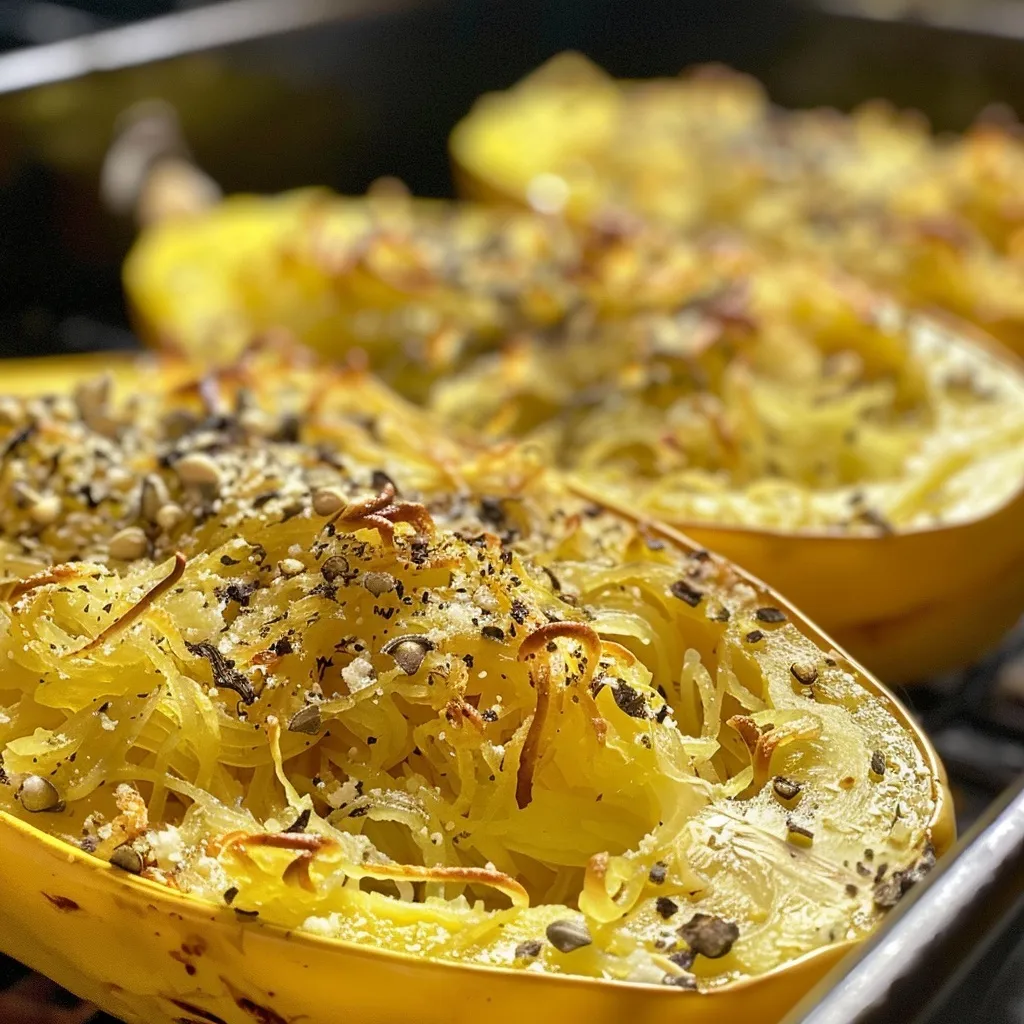
To ensure your spaghetti squash turns out perfectly every time, keep these expert tips in mind:
- Choose the right squash: Look for a squash that feels heavy for its size, has a hard rind, and is free from cracks. A deep yellow color usually indicates ripeness.
- Cut safely: Use a very sharp, sturdy chef’s knife to cut the squash. If you find it difficult to cut, microwave it for a few minutes to soften the skin.
- Don’t rush the cooking: Cooking times can vary based on the size of your squash. Always check for doneness by gently pressing the skin; it should give slightly when fully cooked.
- Store properly: If you have leftover cooked squash, store it in an airtight container in the fridge for up to five days.
- Experiment with flavors: Feel free to add different herbs and spices to the flesh before baking for a unique twist!
- Fluff it up: After baking, be sure to fluff the strands with a fork gently; this will enhance the texture and make it more enjoyable.
- Pair wisely: Think about what sauces or toppings will complement the squash best. Creamy sauces work well, but so do zesty, tomato-based options.
- Try roasting the seeds: Don’t throw away the seeds! Rinse them, toss them in olive oil and salt, and roast them for a crunchy snack.
Common Mistakes and Troubleshooting
Even the best chefs can make mistakes! Here are some common pitfalls and how to avoid them:
- Overcooking: If your squash ends up mushy, it’s likely been cooked too long. Watch the clock and check for fork-tenderness.
- Undercooking: If the strands are still hard, it needs more time in the oven. Cover with foil if the top is browning too quickly.
- Not seasoning enough: Don’t skimp on salt and pepper! The seasoning enhances the natural sweetness of the squash.
- Cutting incorrectly: Make sure to cut the squash lengthwise for the best results. Cutting it crosswise will not yield the desired strands.
Variations to Try
Once you master the basic recipe, explore these variations to keep things exciting:
- Spaghetti Squash Alfredo: Toss the cooked strands with a creamy Alfredo sauce and sautéed mushrooms for a decadent meal.
- Spaghetti Squash Primavera: Mix in your favorite sautéed vegetables like bell peppers, zucchini, and carrots for a colorful dish.
- Spaghetti Squash with Meatballs: Pair it with homemade or store-bought meatballs and marinara for a classic Italian feast.
- Spaghetti Squash Breakfast Bowl: Top the strands with eggs, spinach, and feta cheese for a nutritious breakfast option.
Storage and Make-Ahead Instructions
If you love meal prepping, here’s how to store and reheat your spaghetti squash:
- Refrigerate: Store cooked spaghetti squash in an airtight container in the fridge for up to five days.
- Freeze: You can freeze cooked squash strands for up to three months. Just ensure they’re well-sealed to prevent freezer burn.
- Reheat: To reheat, place the squash in the microwave for a few minutes or sauté in a pan with a bit of olive oil until warmed through.
Frequently Asked Questions
Here are some common queries you might have about cooking spaghetti squash:
- How do I know when spaghetti squash is done? Check for fork-tenderness and a slight give when pressed. The skin should not be hard.
- Can I cook spaghetti squash in the microwave? Yes! Pierce it with a fork, microwave for 10-12 minutes, flipping halfway through.
- What can I serve with spaghetti squash? It pairs well with marinara, pesto, or a simple olive oil and garlic dressing. Try it as a base for your favorite protein!
- Is spaghetti squash gluten-free? Absolutely! It’s a fantastic gluten-free alternative to traditional pasta.
- How do I cut spaghetti squash safely? Always use a sharp knife and cut the squash lengthwise. If it’s hard to cut, microwave for a few minutes first.
- Can I eat spaghetti squash seeds? Yes! They can be roasted for a crunchy snack. Just rinse and dry them before roasting.
- How long can I store leftovers? Cooked spaghetti squash can be stored in the fridge for up to five days or frozen for three months.
- Can I eat spaghetti squash raw? While it’s edible raw, cooking brings out its sweetness and improves the texture.
Nutrition Tips and Dietary Adaptations
Cooking spaghetti squash is not just about flavor; it’s also about nutrition:
- Low-Calorie Meal: Spaghetti squash contains only about 42 calories per cup, making it a great choice for weight management.
- High in Fiber: This squash is rich in fiber, which aids digestion and helps you feel full longer.
- Vegan Friendly: It’s naturally vegan and can be paired with plant-based sauces for a delicious meal.
- Low-Carb: Perfect for those following a keto or low-carb diet, offering a satisfying alternative to high-carb pasta.
Equipment Recommendations
To make your cooking experience smoother, here’s a list of essential tools:
- Sharp Chef’s Knife: A must-have for cutting through the tough skin of the squash.
- Cutting Board: Ensure your cutting board is sturdy and doesn’t slip for safe cutting.
- Baking Sheet: Line it with parchment paper for easy cleanup and to prevent sticking.
- Fork: A simple yet essential tool for fluffing the strands after cooking.
Serving Suggestions
Once your spaghetti squash is cooked, consider these delicious serving ideas:
- Top with Parmesan: A sprinkle of freshly grated Parmesan cheese adds a savory touch.
- Herbs Galore: Fresh herbs such as basil, parsley, or thyme can elevate the dish’s freshness.
- Nuts and Seeds: Add toasted pine nuts or sunflower seeds for a delightful crunch.
- Sweet Twist: Drizzle with honey or maple syrup and add cinnamon for a sweet dessert option!
In conclusion, cooking spaghetti squash in the oven opens up a world of culinary possibilities. With its unique texture and ability to absorb flavors, you can create dishes that surprise and delight your taste buds. So grab your knife and your squash, and let’s unleash the magic together!
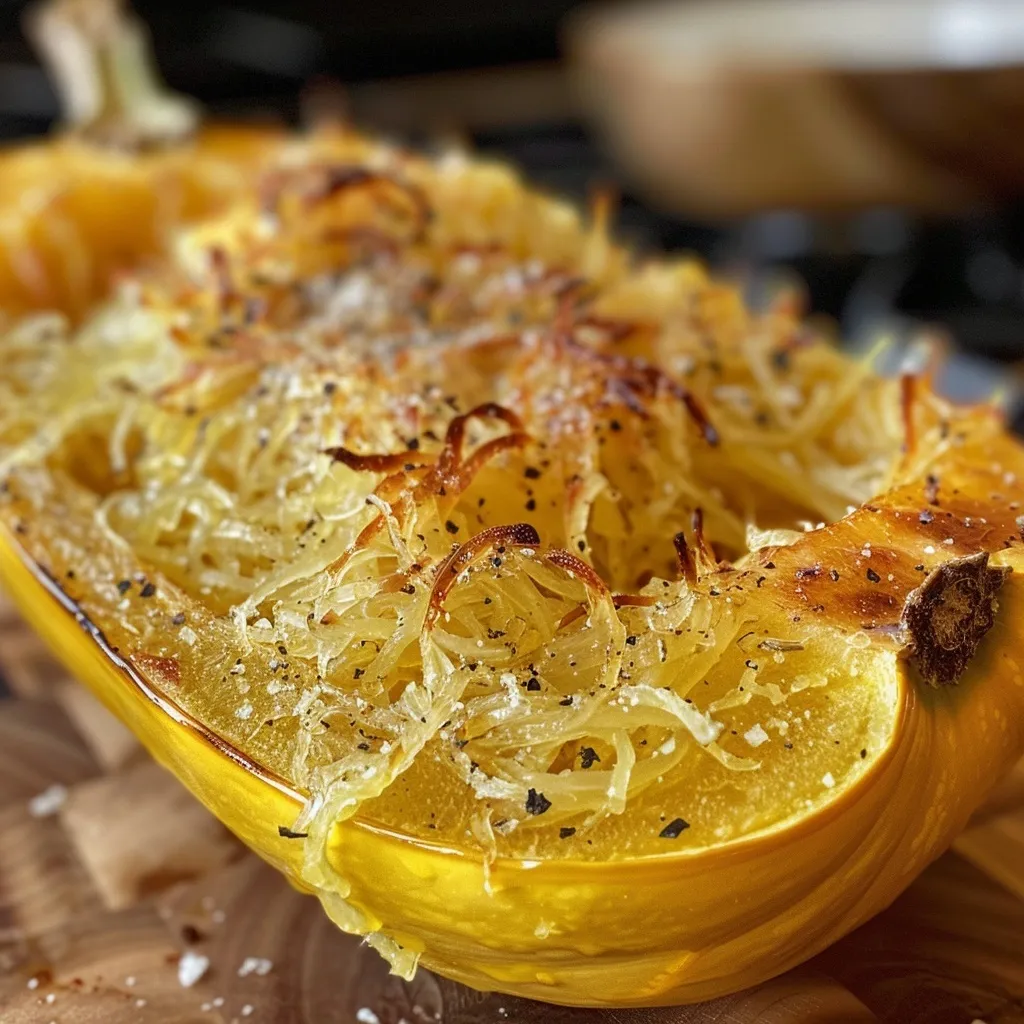
How to Cook Spaghetti Squash in the Oven
Ingredients
Main
- 1 medium spaghetti squash (about 2 pounds)
- 1 teaspoon extra virgin olive oil
- 1/2 teaspoon kosher salt
- 1/4 teaspoon ground black pepper
Instructions
- Preheat oven to 400°F (200°C). Line a baking sheet with parchment paper.
- Cut the squash in half lengthwise, scoop out seeds, and brush cut sides with olive oil. Season with salt and pepper.
- Place cut-side down on the baking sheet and bake for 35-40 minutes until fork-tender.
- Flip the squash, then use a fork to fluff the strands. Serve as desired.