
Discover the Magic of Roasting Spaghetti Squash Whole
Welcome to the flavorful world of roasting spaghetti squash whole! This unique cooking method not only simplifies the process but also enhances the natural sweetness and texture of the squash. Let me take you on a culinary adventure where we unlock the potential of this versatile ingredient, transforming it into a delightful centerpiece for your next meal. Get ready to embrace the thrill of cooking with heat and flavor!
Why You’ll Love This Recipe
Roasting spaghetti squash whole is a game-changer for any home cook. Here are just a few reasons why this technique will ignite your passion for cooking:
- Effortless Preparation: No need to slice and dice; simply pierce and roast!
- Flavor Infusion: Whole roasting allows the squash to absorb flavors deeply, enhancing its natural sweetness.
- Texture Triumph: The strands emerge perfectly tender and al dente, ready to be tossed with your favorite sauces.
- Versatile Base: Use the roasted strands in a variety of dishes from pasta substitutes to salads and casseroles.
- Minimal Cleanup: Roast it in a dish, and you’re left with little mess to worry about!
Ingredients Breakdown
Let’s talk ingredients! The beauty of roasting spaghetti squash whole is that you only need a few simple components:
- 1 Spaghetti Squash (3 to 4 pounds): Choose one that feels heavy for its size and has a firm exterior. Avoid any with soft spots.
Feel free to experiment with spices and oils to enhance your roasted spaghetti squash experience:
- Substitutions: You can drizzle the squash with olive oil, melted butter, or even a sprinkle of your favorite spices like garlic powder or chili flakes before roasting for an extra flavor boost!
How to Roast a Spaghetti Squash Whole
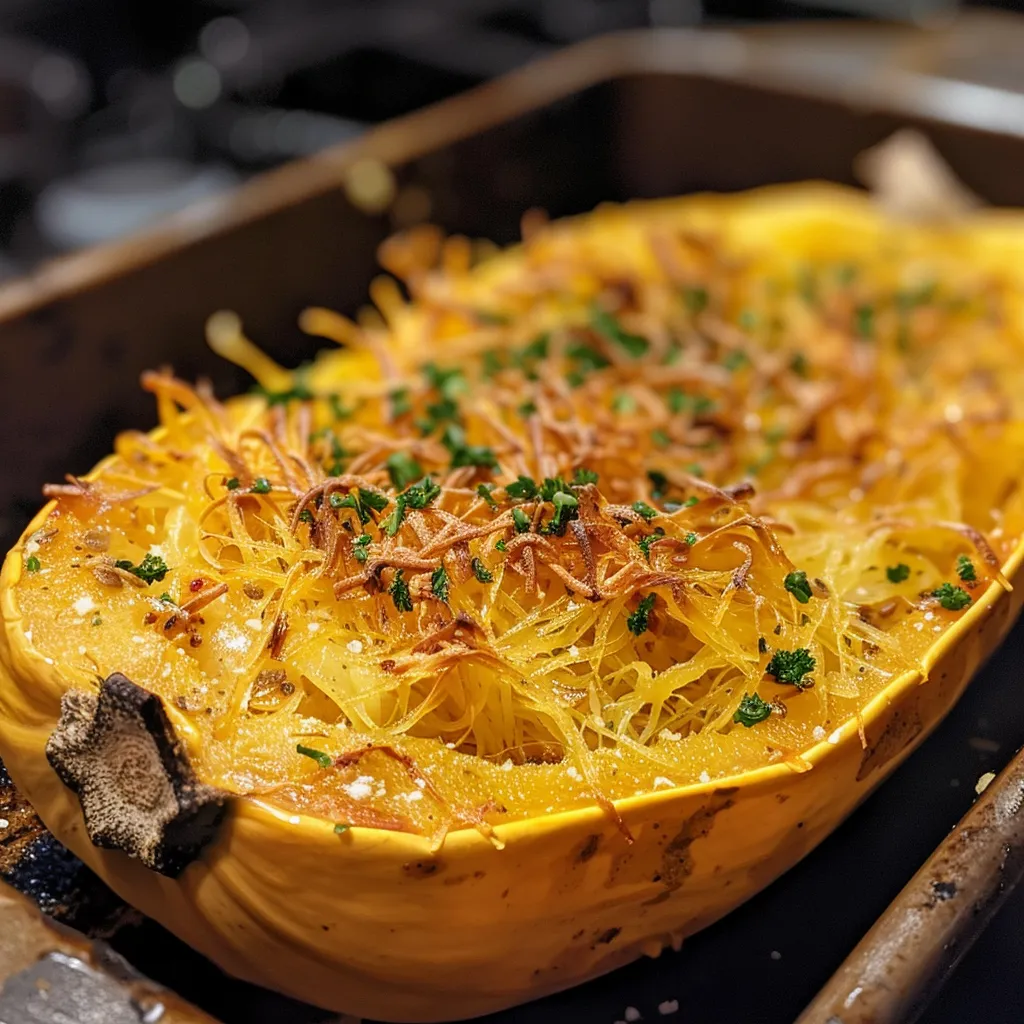
Ready to dive into the cooking process? Follow these straightforward steps:
- Preheat the oven to 400° F.
- Pierce the skin: Using a sharp knife, carefully pierce the squash on all sides. This step is crucial to allow steam to escape while roasting.
- Prepare the baking dish: Place the squash in a casserole dish. For easier cleanup, consider lining the dish with foil.
- Roast: Bake until the skin is deep golden brown and a knife slides easily into the center—this should take about 40 to 47 minutes for a squash of this size.
- Cool and Slice: Let the squash cool completely before slicing it in half through the center (not stem-to-stem). Carefully scrape out and discard the seeds.
- Pull the strands: Use a large fork to tease out the squash strands. Enjoy immediately or store for later use!
Pro Tips for Perfectly Roasted Squash
Want to elevate your roasting game? Here are some expert insights:
- Cooking Time: Adjust your cooking time based on the size of the squash. Smaller squashes may take less time, while larger ones may need a few extra minutes.
- Check for Doneness: Test the squash with a knife; it should pierce easily when done.
- Flavor Variations: Consider sprinkling seasonings like smoked paprika or freshly cracked pepper on the squash before roasting for a kick.
- Storing Leftovers: Store leftover strands in an airtight container in the refrigerator for up to 3 days.
- Freezing Tips: If you have leftovers, you can freeze the strands in zip-top bags for up to 3 months.
- Serving Suggestion: Pair with marinara sauce, pesto, or sautéed vegetables for a hearty meal.
Common Mistakes and Troubleshooting
Even the best cooks make mistakes! Here are some common pitfalls and how to avoid them:
- Undercooked Squash: If the strands are crunchy, it needs more time in the oven. Try roasting it longer!
- Overcooked Squash: Watch closely to avoid mushiness. The strands should be tender but not falling apart.
- Difficulty Cutting: Use a sharp knife and let the squash cool slightly before slicing to make it easier.
Variations to Elevate Your Dish
Once you master the basic method, try these variations to keep things exciting:
- Buffalo Spaghetti Squash: Toss the strands with buffalo sauce and shredded chicken for a spicy twist!
- Spaghetti Squash Primavera: Mix in fresh veggies and a light garlic sauce for a vibrant dish.
- Cheesy Squash Bake: Combine the strands with cheese, breadcrumbs, and herbs, then bake until golden.
- Spaghetti Squash Salad: Chill the strands and toss them with a lemon vinaigrette, cherry tomatoes, and arugula for a refreshing salad.
Storage and Make-Ahead Instructions
Roasted spaghetti squash can be a meal prep champion! Here’s how to store it:
- Refrigeration: Keep the strands in an airtight container for up to 3 days.
- Freezing: For longer storage, freeze the strands after cooling. Just remember to label the bags with the date!
Frequently Asked Questions
Got questions? We’ve got answers! Here are some FAQs about roasting spaghetti squash:
- Can I roast a spaghetti squash without piercing it? No, piercing is essential to let steam escape and prevent it from bursting in the oven.
- How do I know when my squash is done? It should be golden brown on the outside, and a knife should slide easily into the flesh.
- Can I roast smaller squashes? Absolutely! Just adjust the cooking time accordingly.
- Can I eat spaghetti squash cold? Yes, it can be enjoyed cold in salads or as a side dish.
- How do I prevent spaghetti squash from being watery? Make sure to roast it until it’s fully cooked and let it drain after scraping out the strands.
- What’s the best way to season the strands? Toss them with olive oil, salt, and your favorite spices for maximum flavor.
- Can spaghetti squash be made ahead of time? Yes! You can roast it in advance and store it in the fridge or freezer.
- Is spaghetti squash healthy? Yes! It’s low in calories and carbohydrates and packed with vitamins and minerals.
Nutritional Tips and Dietary Adaptations
Spaghetti squash is not just a delicious alternative; it’s also a nutritious one. Here are some dietary considerations:
- Low-Carb Option: Ideal for those following a low-carb or keto diet.
- Gluten-Free: A fantastic substitute for traditional pasta.
- Vegan-Friendly: Perfect for plant-based diets when paired with hearty sauces and toppings.
Equipment Recommendations
To make your cooking experience seamless, here’s what you’ll need:
- Sharp Chef’s Knife: Essential for piercing and cutting.
- Casserole Dish: For roasting the squash without mess.
- Fork: For pulling the strands apart after roasting.
Serving Suggestions
Here are some ideas to serve your roasted spaghetti squash:
- With Marinara Sauce: Classic and delicious!
- Mixed with Pesto: Toss with homemade or jarred pesto for an aromatic dish.
- As a Salad Base: Use the strands as a base for a fresh salad topped with grilled chicken or roasted vegetables.
- In Casseroles: Layer with cheese and veggies for a hearty bake.
Conclusion
Roasting spaghetti squash whole is more than just a cooking method; it’s a journey into the heart of flavor. With this guide, you’ll master the art of preparing this wonderful squash, unlocking endless possibilities for delicious meals. So grab your squash, embrace the heat, and let your culinary creativity run wild!
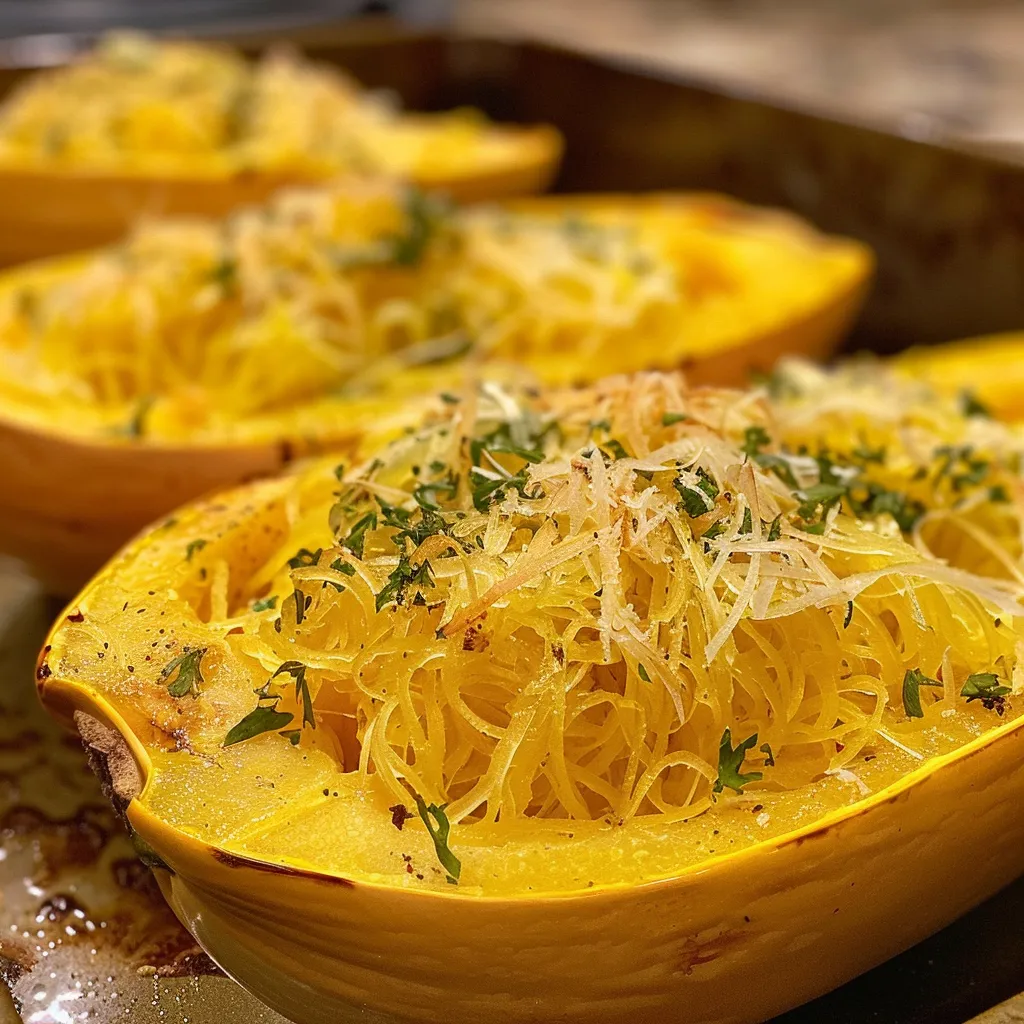
How to Roast a Spaghetti Squash Whole
Ingredients
Main
- 1 piece spaghetti squash (3 to 4 pounds)
Instructions
- Preheat oven to 400°F (200°C).
- Pierce the squash skin all over with a sharp knife.
- Place the squash in a casserole dish and bake for 40-47 minutes until golden and easily pierced.
- Cool completely, then slice in half and remove seeds. Use a fork to scrape out the strands.