
Unlocking Flavor: The Ultimate Guide to Sautéed Vegetables
Welcome to a vibrant world where every bite bursts with flavor! Sautéed vegetables are not just a side dish; they’re a culinary canvas waiting for your artistic touch. With a splash of olive oil and a sprinkle of herbs, you can elevate any meal and tickle your taste buds. In this guide, we’ll explore the ins and outs of sautéing vegetables, revealing tips, tricks, and secrets to help you master this essential cooking technique. Let’s dive into the colorful medley that will transform your plate and awaken your senses!
Why You’ll Love This Recipe
This sautéed vegetables recipe is more than just a collection of ingredients; it’s a celebration of flavor, health, and creativity. Here are five reasons to embrace this dish:
- Quick and Easy: With just a few ingredients and minimal prep time, you can whip this up in under 20 minutes!
- Nutritious: Packed with vitamins and minerals, this dish supports a healthy lifestyle while keeping your palate happy.
- Versatile: Customize this recipe with your favorite vegetables or whatever’s in season to create endless variations.
- Flavorful: The combination of garlic, onions, and fresh herbs delivers a depth of flavor that will make your taste buds dance.
- Meal Prep Friendly: Perfect for meal prep! Make a big batch and store it for quick lunches or dinners throughout the week.
Ingredient Breakdown
Let’s explore the key players in our sautéed vegetable extravaganza:
- Olive Oil: The base for cooking; it enhances flavor and aids in even cooking.
- Garlic: Adds aromatic depth; feel free to experiment with roasted garlic for a sweeter profile.
- Onion: Sliced thin for a tender, sweet flavor that mellows beautifully when sautéed.
- Bell Pepper: Choose from red, yellow, or green to add color and sweetness.
- Zucchini: Slice into half-moons; its soft texture absorbs flavors well.
- Broccoli: Adds crunch; cut into small florets for quick cooking.
- Carrot: Julienned or sliced thin, bringing natural sweetness.
- Snap Peas: For a pop of sweetness; they cook quickly and retain their crispness.
- Mushrooms: Sliced for an earthy flavor that complements the other veggies beautifully.
- Seasonings: Salt, black pepper, and optional flavorings like lemon juice or balsamic vinegar round out the dish.
Pro Tips for Perfect Sautéed Vegetables
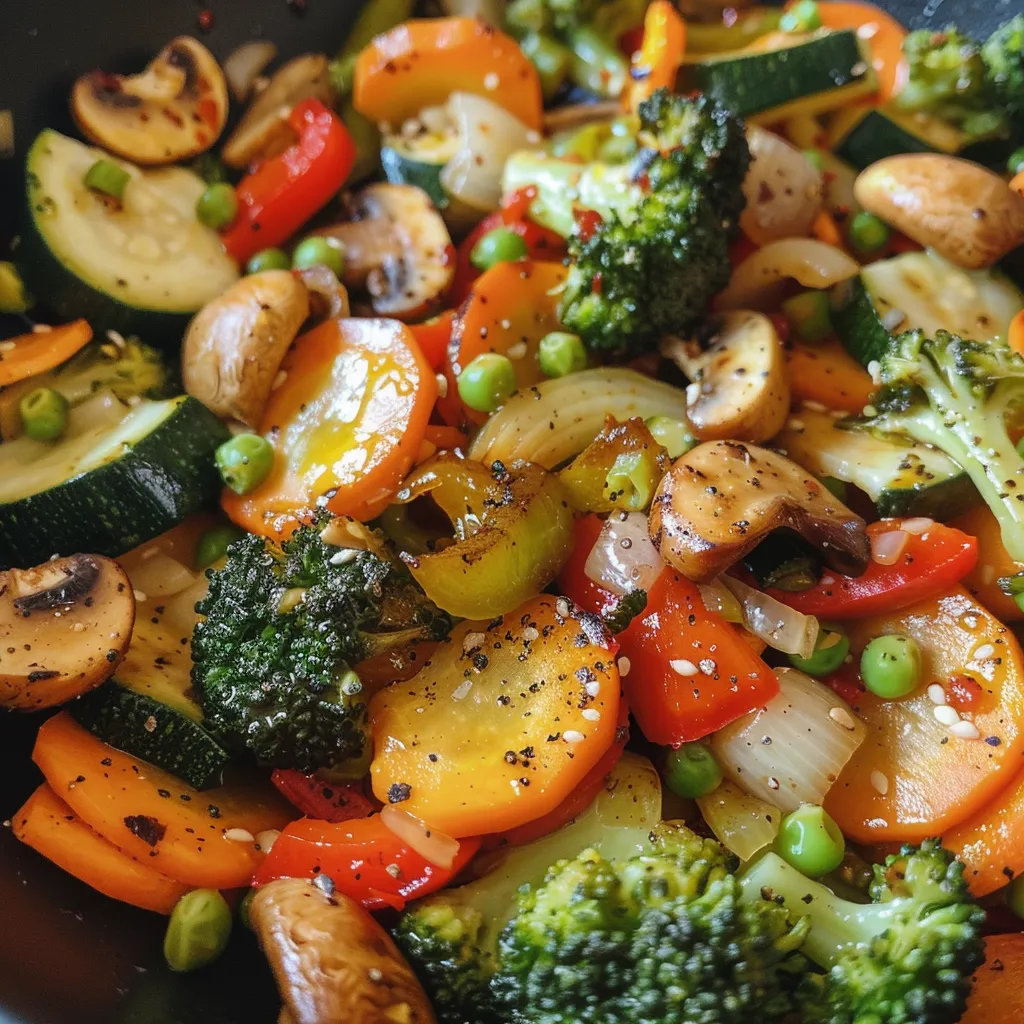
Ready to elevate your sauté game? Here are some expert tips to ensure you achieve that perfect medley every time:
- Prep Ahead: Chop all vegetables before cooking for efficient, even cooking.
- High Heat: Use medium-high heat to achieve a nice sear and maintain crispness.
- Don’t Crowd the Pan: Sauté in batches if necessary. Overcrowding steams vegetables instead of sautéing them.
- Order of Cooking: Start with harder vegetables like carrots and broccoli, adding softer ones later.
- Season at Each Stage: Layer flavors by seasoning during cooking, not just at the end.
- Finish with Freshness: A sprinkle of fresh herbs or a squeeze of lemon juice brightens the dish just before serving.
- Tweak Texture: For a bit of crunch, add nuts or seeds as a topping.
- Experiment: Try different combinations of vegetables and seasonings to find your perfect blend!
Common Mistakes and Troubleshooting
Even the best chefs have faced a sauté mishap or two. Here’s how to troubleshoot common mistakes:
- Too Soft: If your veggies turn mushy, reduce the heat or cook them for a shorter time.
- Bland Flavor: If your dish lacks flavor, try adding more seasoning gradually. Taste as you go!
- Uneven Cooking: Ensure all pieces are cut uniformly to promote even cooking.
- Sticking to the Pan: Ensure your pan is hot enough and that you’ve used sufficient oil.
Variations to Spice Things Up
Your imagination is the limit when it comes to sautéed vegetables! Here are four delicious variations to inspire your culinary adventures:
- Spicy Sauté: Add crushed red pepper flakes or a dash of hot sauce for a kick that invigorates!
- Asian Twist: Incorporate soy sauce, ginger, and sesame oil for a delightful umami flavor.
- Mediterranean Medley: Toss in olives, artichokes, and feta cheese for a Mediterranean flair.
- Herb Infusion: Experiment with fresh herbs such as basil, thyme, or cilantro for a garden-fresh taste.
Storage and Make-Ahead Instructions
Planning ahead? Here’s how to store your sautéed vegetables:
- Refrigeration: Store in an airtight container in the fridge for up to 4 days.
- Freezing: Cool completely before transferring to freezer-safe bags; they can last up to 3 months.
- Reheating: Warm gently in a skillet over low heat, adding a splash of water or oil if needed.
FAQ: Your Sauté Questions Answered
Got questions? Here are some common inquiries about sautéing vegetables:
- Can I use frozen vegetables? Yes! Thaw and pat dry before sautéing to avoid excess moisture.
- What’s the best oil for sautéing? Olive oil is excellent, but avocado oil and butter are great alternatives.
- How do I know when the vegetables are done? Look for vibrant colors and a tender-crisp texture.
- Can I sauté fruits? Absolutely! Fruits like peaches and apples can add sweetness and complexity.
- What spices work well? Experiment with cumin, smoked paprika, or Italian seasoning for added depth.
- Is sautéing healthy? Yes! It retains nutrients while adding healthy fats and flavor.
- Can I make this vegan? Yes! All ingredients are plant-based, just ensure any toppings are vegan-friendly.
- How can I enhance flavor? Consider adding a splash of vinegar or a sprinkle of cheese before serving.
Nutritional Tips and Dietary Adaptations
Here’s how to adapt this recipe for various dietary needs:
- Low Sodium: Use herbs and spices instead of salt for flavor.
- Gluten-Free: This recipe is naturally gluten-free; just check any additional ingredients.
- Vegan: As mentioned, this dish is already vegan-friendly!
- Low-Carb: Stick with non-starchy veggies like broccoli, zucchini, and bell peppers for a low-carb option.
Equipment Recommendations
Having the right tools can make all the difference. Here’s what you’ll need:
- Skillet: A good-quality non-stick or cast-iron skillet is essential for even cooking.
- Spatula: A sturdy spatula helps in flipping and stirring without damaging your vegetables.
- Knife Set: A sharp chef’s knife ensures precise cuts for uniform cooking.
- Cutting Board: A large, sturdy cutting board provides a safe space for your prep work.
Serving Suggestions
How to plate your sautéed vegetables can enhance the dining experience. Here are some serving ideas:
- As a Side: Pair with grilled chicken or fish for a colorful dinner plate.
- Over Rice or Quinoa: Serve atop rice or quinoa for a hearty, nutritious meal.
- In Tacos: Use as a filling for tacos topped with avocado and salsa.
- As a Salad: Toss with greens and a light vinaigrette for a refreshing salad option.
Now that you’ve got the tools, tips, and techniques, it’s time to unleash your inner chef! Sautéing vegetables is not just about cooking; it’s about crafting a dish that excites the palate and nourishes the soul. Grab your skillet, turn up the heat, and let the flavors dance on your tongue. Remember, every dish is an opportunity to explore, experiment, and enjoy the art of cooking. Happy sautéing!
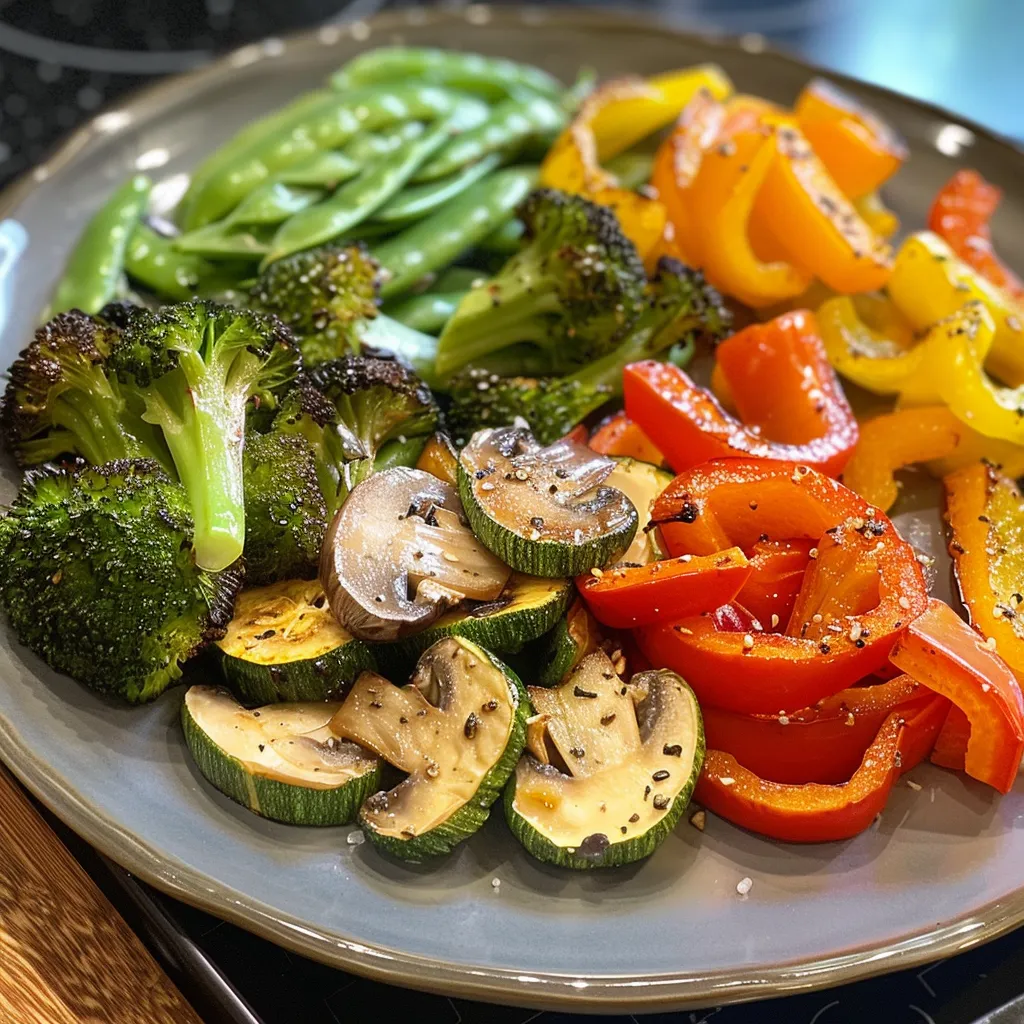
Healthy Sautéed Vegetables – Quick, Flavorful & Nutritious Side
Ingredients
Vegetables
- 2 tbsp olive oil (or avocado oil/butter)
- 2 cloves garlic, minced
- 1 small onion, thinly sliced
- 1 piece bell pepper, sliced
- 1 medium zucchini, sliced into half-moons
- 1 cup broccoli florets
- 1 medium carrot, julienned or sliced thin
- ½ cup snap peas
- ½ cup mushrooms, sliced
- to taste Salt and black pepper
- 1 tsp lemon juice (optional)
- 1 tsp balsamic vinegar or soy sauce (optional)
Optional toppings
- toasted nuts, seeds, fresh herbs, grated Parmesan
Instructions
- Wash and cut all vegetables into uniform pieces.
- Heat oil in a skillet over medium-high heat.
- Sauté garlic and onions 1–2 minutes until fragrant.
- Add carrots and broccoli; cook 3–4 minutes, stirring.
- Add remaining vegetables; sauté 4–5 minutes until crisp-tender. Season with salt, pepper, and optional flavorings. Toss and serve garnished with toppings.