Author

Avery Collins

Browsing

Easy Crockpot Garlic Parmesan Chicken Pasta: A Warm Hug in a Bowl

Hey friends! Avery here, from my little kitchen in Portland. Today, I’m sharing a recipe that’s become a staple in my home – Easy Crockpot Garlic Parmesan Chicken Pasta. It’s the kind of dish that feels like a warm hug on a rainy day, and honestly, we get a lot of those here! This isn’t just another chicken pasta recipe; it’s a testament to how simple ingredients and a little slow cooking can create something truly special. It’s a crock pot wonder!

Back in the day, before I embraced cooking as self-care, I would have reached for a takeout menu. Now, I can whip up this creamy, comforting dish with minimal effort. The beauty of this recipe lies in its simplicity. Throw everything into the slow cooker, and let it do its magic. The result? Tender chicken, perfectly cooked pasta, and a luscious garlic parmesan sauce that will have everyone asking for seconds. It’s a dish that’s both satisfying and forgiving – perfect for those busy weeknights when you just want something delicious without the fuss.

This dish has earned a permanent spot in my recipe rotation because it reminds me that nourishing myself and my loved ones doesn’t have to be complicated. It’s about savoring simple pleasures and finding joy in the process. So, grab your crockpot, and let’s get cooking!

Why You’ll Love This Crockpot Garlic Parmesan Chicken Pasta

Seriously, what’s not to love? This recipe is a winner on so many levels. Here are a few reasons why it’ll become your new go-to:

  • Effortless: Dump-and-go! Minimal prep time means you can set it and forget it.
  • Flavorful: The garlic parmesan sauce is rich, creamy, and bursting with flavor.
  • Comforting: Nothing beats a warm bowl of pasta on a chilly evening.
  • Versatile: Easily customizable to suit your preferences and dietary needs.
  • Crowd-pleasing: Even the pickiest eaters will devour this dish.

It’s the kind of meal that makes you feel good from the inside out. The creamy sauce clings to the pasta perfectly, creating a symphony of flavors in every bite. And let’s be honest, who can resist garlic parmesan?

Ingredients for the Best Crockpot Chicken Pasta

Here’s what you’ll need to create this comforting masterpiece:

  • 1.5 lbs boneless, skinless chicken breasts
  • 1 cup chicken broth
  • 1 cup heavy cream (Consider using half-and-half for a lower-calorie option.)
  • 1 cup grated Parmesan cheese
  • 4 cloves of garlic, minced
  • 1 teaspoon Italian seasoning
  • 1 teaspoon salt
  • 1/2 teaspoon black pepper
  • 8 oz penne pasta (Cook according to package instructions until al dente.)
  • 1 tablespoon olive oil
  • to taste fresh parsley, chopped (For garnish, optional.)

Step-by-Step Instructions for Perfect Crockpot Garlic Parmesan Chicken Pasta

Ready to get cooking? Here’s how to make this amazing dish:

  1. Place the chicken breasts in the crockpot. Drizzle with olive oil and sprinkle with salt, black pepper, and Italian seasoning.
  2. Add the minced garlic, chicken broth, and heavy cream over the chicken.
  3. Cover the crockpot and cook on low for 6 hours or until the chicken is cooked through and tender.
  4. Once cooked, remove the chicken from the crockpot and shred it using two forks. Return the shredded chicken back to the crockpot.
  5. Stir in the grated Parmesan cheese until melted and combined with the sauce.
  6. Cook the pasta according to package instructions until al dente; drain and add to the crockpot. Stir until the pasta is coated in the creamy sauce.
  7. Serve hot, garnished with chopped parsley if desired.

See? So easy! This dish that is simple to make is also incredibly satisfying.

Pro Tips for the Ultimate Crockpot Chicken Pasta Experience

Want to take your Crockpot Garlic Parmesan Chicken Pasta to the next level? Here are a few of my favorite tips:

  • Don’t Overcook the Chicken: Overcooked chicken can become dry and stringy. Cooking it on low for the recommended time ensures it stays tender and juicy.
  • Al Dente Pasta is Key: Nobody likes mushy pasta! Cooking the pasta separately and adding it at the end ensures it stays perfectly al dente.
  • Freshly Grated Parmesan: Pre-shredded Parmesan often contains cellulose, which can prevent it from melting smoothly. Freshly grated Parmesan adds a superior flavor and texture to the sauce.
  • Garlic Power: Don’t be shy with the garlic! Four cloves add a lovely garlicky flavor, but feel free to add more if you’re a garlic lover.
  • Taste and Adjust: Always taste the sauce before adding the pasta and adjust the seasoning as needed. You might want to add a pinch of red pepper flakes for a bit of heat.

These little tweaks can make a big difference in the final result. Remember, cooking is all about experimentation! Feel free to adjust the recipe to suit your taste.

Common Mistakes to Avoid When Making Crockpot Chicken Pasta

Even the simplest recipes can have pitfalls. Here are a few common mistakes to watch out for:

  • Adding the Pasta Too Early: This will result in mushy, overcooked pasta. Always cook the pasta separately and add it at the very end.
  • Using Too Much Liquid: Adding too much liquid can make the sauce thin and watery. Stick to the recommended amount of chicken broth and heavy cream.
  • Skipping the Garlic: The garlic is essential for the flavor of this dish. Don’t skimp on it!
  • Forgetting to Stir: Stirring the sauce regularly helps prevent it from sticking to the bottom of the crockpot and ensures that the Parmesan cheese melts evenly.
  • Overcooking the Chicken: As mentioned earlier, overcooked chicken can become dry and stringy. Keep an eye on it and adjust the cooking time as needed.

By avoiding these common mistakes, you’ll be well on your way to creating a perfect pot of Crockpot Garlic Parmesan Chicken Pasta.

Delicious Variations to Spice Things Up

One of the best things about this recipe is how easily it can be customized. Here are a few variations to try:

  • Add Vegetables: Toss in some broccoli florets, spinach, or sun-dried tomatoes for added nutrients and flavor.
  • Spice it Up: Add a pinch of red pepper flakes or a dash of hot sauce for a bit of heat.
  • Use Different Cheese: Experiment with different types of cheese, such as mozzarella, provolone, or Asiago.
  • Add Protein: Swap the chicken for shrimp, sausage, or ground beef.
  • Make it Lighter: Use half-and-half instead of heavy cream and whole wheat pasta instead of regular pasta.

Don’t be afraid to get creative and experiment with different flavors and ingredients. That’s what cooking is all about! If you like a bit of heat, add some red pepper flakes to the sauce. If you want a vegetarian option, skip the chicken and add some roasted vegetables.

Storing and Reheating Your Crockpot Chicken Pasta

Got leftovers? Lucky you! Here’s how to store and reheat your Crockpot Garlic Parmesan Chicken Pasta:

  • Storage: Store the pasta in an airtight container in the refrigerator for up to 3 days.
  • Reheating: Reheat the pasta in the microwave or on the stovetop. If reheating on the stovetop, add a splash of chicken broth or water to prevent it from drying out.
  • Freezing: While you can freeze this dish, the texture of the pasta may change slightly. If freezing, allow the pasta to cool completely before transferring it to a freezer-safe container. Freeze for up to 2 months. Thaw in the refrigerator overnight before reheating.

Leftovers are perfect for lunch the next day or a quick and easy dinner. The flavors actually meld together even more overnight, making it even more delicious!

Frequently Asked Questions About Crockpot Chicken Pasta

Here are some common questions I get asked about this recipe:

  • Can I use frozen chicken? While it’s best to use fresh chicken for optimal flavor and texture, you can use frozen chicken in a pinch. Just make sure to thaw it completely before adding it to the crockpot.
  • Can I use different types of pasta? Absolutely! Feel free to use any type of pasta you like, such as rotini, fusilli, or bow tie. Just be sure to cook it al dente before adding it to the crockpot.
  • Can I make this recipe in the Instant Pot? Yes! You can adapt this recipe for the Instant Pot. Simply follow the same steps, but cook the chicken on high pressure for 10-12 minutes, followed by a natural pressure release. Then, stir in the Parmesan cheese and cooked pasta.
  • Can I use milk instead of heavy cream? While you can use milk, the sauce won’t be as creamy. For a richer flavor, I recommend using half-and-half or heavy cream.
  • Can I add more vegetables? Absolutely! Feel free to add any vegetables you like, such as broccoli, spinach, or mushrooms.

If you have any other questions, feel free to leave a comment below! I’m always happy to help.

Serving Suggestions for the Perfect Meal

This Crockpot Garlic Parmesan Chicken Pasta is a complete meal on its own, but here are a few serving suggestions to make it even more special:

  • Garlic Bread: Serve it with a side of crusty garlic bread for dipping in the creamy sauce.
  • Side Salad: A simple green salad with a light vinaigrette adds a refreshing contrast to the richness of the pasta.
  • Roasted Vegetables: Roasted asparagus, broccoli, or Brussels sprouts make a delicious and healthy side dish.
  • Wine Pairing: A crisp white wine, such as Pinot Grigio or Sauvignon Blanc, pairs perfectly with this dish.
  • Dessert: Finish off the meal with a light and refreshing dessert, such as fruit salad or a scoop of vanilla ice cream.

Honestly, sometimes I just serve it as-is, straight from the crockpot! It’s that good. This dish is a hug in a bowl, and that’s all that really matters.

So there you have it – my Easy Crockpot Garlic Parmesan Chicken Pasta recipe. I hope you love it as much as I do! Remember, cooking is about having fun and creating something delicious to share with the ones you love. Don’t be afraid to experiment and make it your own. Happy cooking!

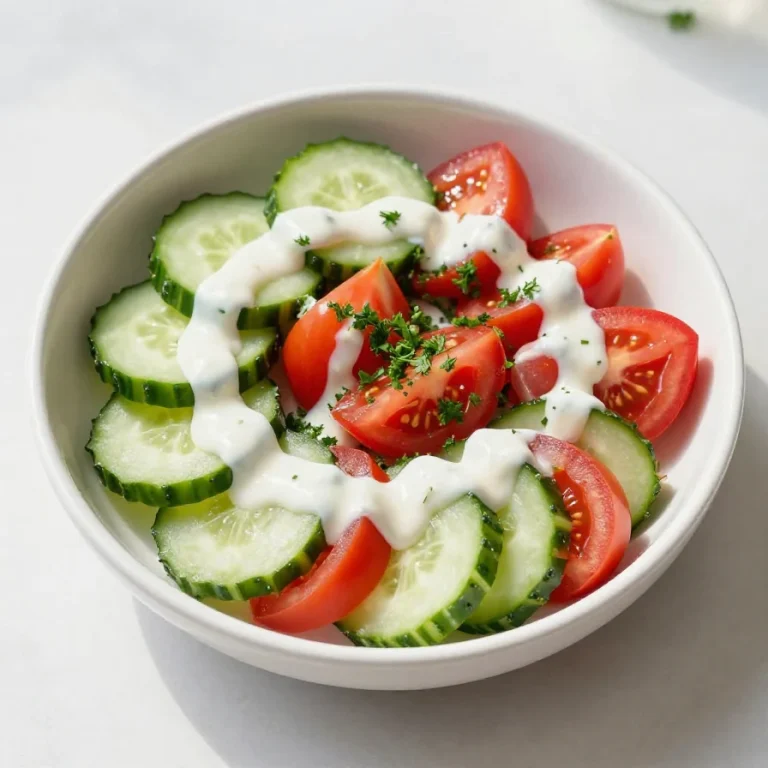
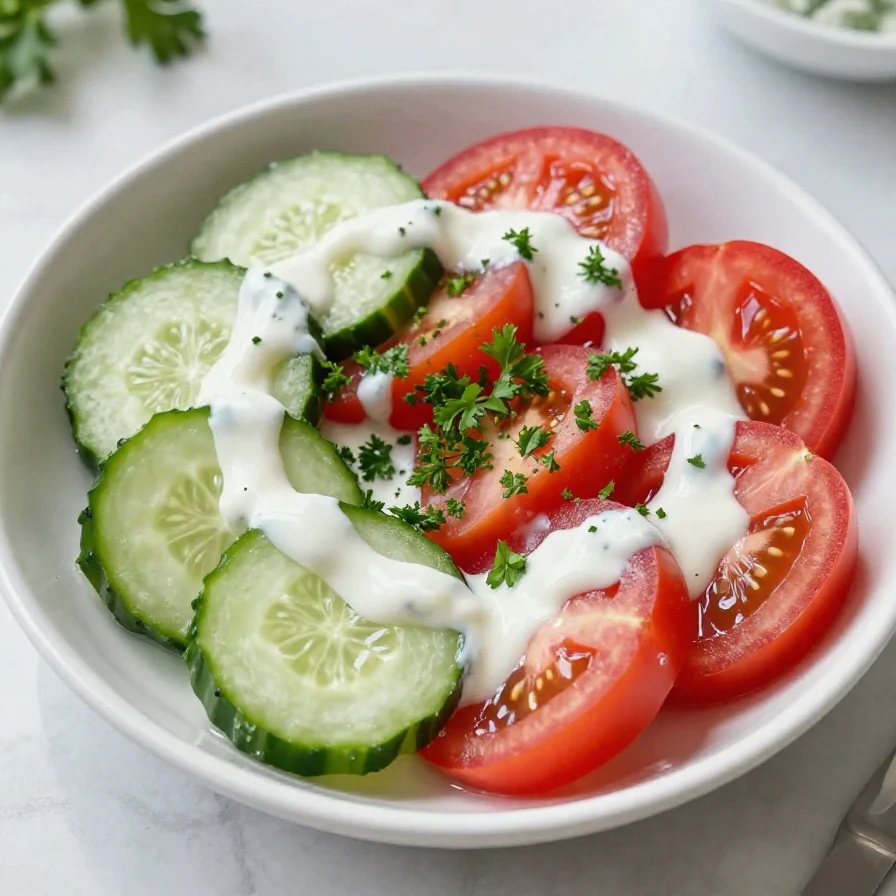
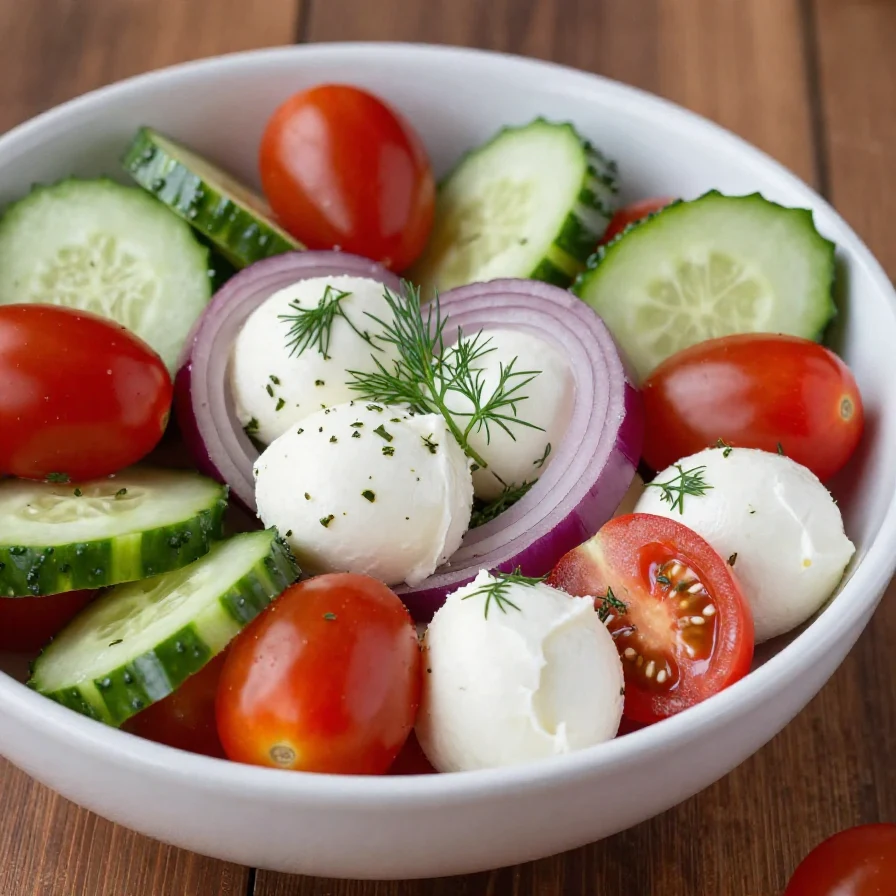
Hello, friend! It’s Avery here, from my little kitchen in Portland. Today, I want to share a recipe that has become a staple in my life, especially when I crave something light, fresh, and utterly satisfying: Shirazi Salad. This isn’t just any salad; it’s a vibrant celebration of simple ingredients, a taste of sunshine even on the grayest Oregon day. This is an easy Persian chopped salad. You’re going to love it!

Shirazi Salad, at its heart, is an easy Persian cucumber and tomato salad, a testament to the beauty of Mediterranean style eating. Hailing from Shiraz, Iran, this salad is a symphony of finely diced cucumbers, tomatoes, and onions, dressed with fresh herbs, lemon (or lime!) juice, and a touch of olive oil. It’s naturally low in calories, bursting with freshness, and incredibly versatile.

For me, Shirazi Salad is more than just a recipe; it’s a reminder of the power of simple, whole foods. It’s a dish I turn to when I want to nourish my body and soul, and I can’t wait to share it with you.

Why You’ll Love This Shirazi Salad

I know there are countless salad recipes out there, but trust me, this one is special. Here’s why you’ll fall in love with it:

  • Simplicity at its Finest: With just a handful of ingredients and minimal prep time, this salad comes together in minutes. It’s perfect for busy weeknights or impromptu gatherings.
  • A Burst of Freshness: The combination of juicy cucumbers, ripe tomatoes, and pungent onions creates a flavor explosion that will awaken your taste buds.
  • Healthy and Delicious: Packed with vitamins, minerals, and antioxidants, this salad is as good for you as it tastes. It is a healthy and tasty snack recipe!
  • Versatile Side Dish: Shirazi Salad pairs beautifully with grilled meats, fish, falafel, or can be enjoyed on its own as a light lunch. It is a perfect side dish.
  • Customizable to Your Taste: Feel free to adjust the ingredients and seasonings to your liking. Add a pinch of chili flakes for heat, or a sprinkle of feta cheese for extra flavor.
  • Naturally Gluten-Free and Vegan: This salad is naturally gluten-free and vegan, making it a great option for those with dietary restrictions.

Ingredients You’ll Need

Here’s what you’ll need to create this delightful Shirazi Salad:

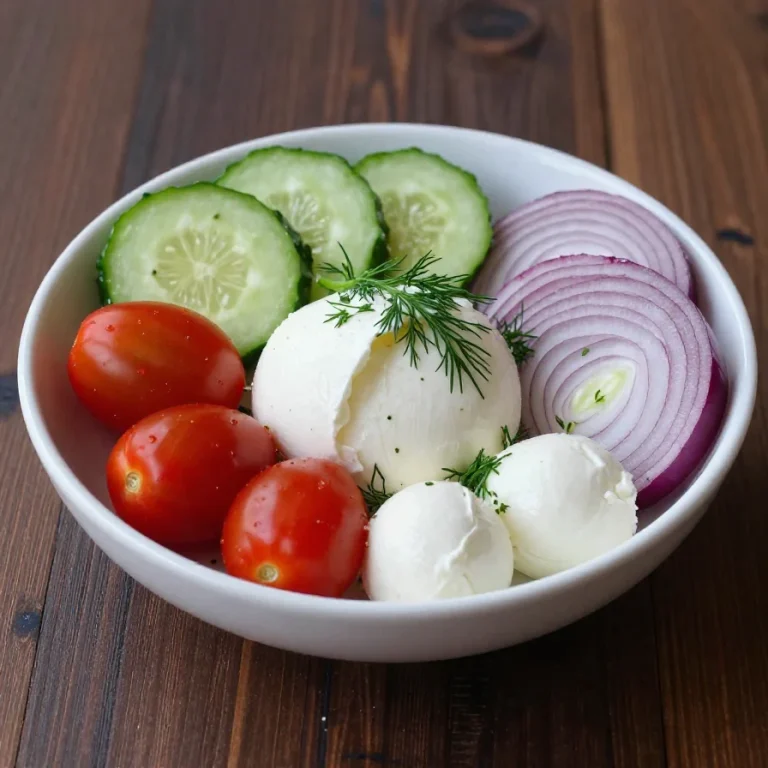
  • 3½ cups cucumber (about 1 pound, cut into ⅕-Inch or 0.5-cm dice.)
  • 2½ cups vine tomatoes (about 1 pound, cut into ⅕-Inch or 0.5-cm dice)
  • 1 medium white onion (finely chopped)
  • 1 tablespoon dried mint (or more to taste)
  • ¼ cup lime juice (or lemon juice)
  • 2 tablespoons extra virgin olive oil
  • 1 teaspoon salt (or more to taste)
  • ⅛ teaspoon black pepper

How to Make Shirazi Salad: Step-by-Step

Ready to get started? Here’s how to make this aneasy Persian chopped salad:

  1. Chop Veggies: Dice 3½ cups cucumber, 2½ cups vine tomatoes, and 1 medium white onion into small pieces and add to a large bowl.
  2. Season: Drizzle with 2 tablespoons extra virgin olive oil, ¼ cup lime juice, 1 teaspoon salt, ⅛ teaspoon black pepper and 1 tablespoon dried mint.
  3. Toss & Serve: Mix well, taste, and adjust. Serve fresh as a light, crunchy Mediterranean side dish.

Pro Tips for the Best Shirazi Salad

Here are a few tips to elevate your Shirazi Salad to the next level:

  • Use the Freshest Ingredients: The quality of your ingredients will directly impact the flavor of the salad. Choose ripe, juicy tomatoes and crisp cucumbers.
  • Dice the Vegetables Finely: This ensures that all the flavors meld together beautifully. Aim for a uniform dice, about ⅕-inch or 0.5 cm.
  • Don’t Overdress: A light dressing of olive oil and lime juice is all you need. Too much dressing will make the salad soggy.
  • Let it Sit (Briefly): Allowing the salad to sit for about 10-15 minutes before serving allows the flavors to meld together. However, don’t let it sit for too long, or it will become watery.
  • Taste and Adjust: Taste the salad before serving and adjust the seasonings to your liking. Add more salt, pepper, or lime juice as needed.
  • Use Dried Mint Sparingly: Dried mint can be quite potent, so start with a small amount and add more to taste. Fresh mint can also be used, but use about three times the amount as dried.

Common Mistakes to Avoid

Here are a few common mistakes to avoid when making Shirazi Salad:

  • Using Dull Knives: A sharp knife makes dicing the vegetables much easier and safer.
  • Over-Salting: Be careful not to over-salt the salad. Start with a small amount of salt and add more to taste.
  • Using Watery Tomatoes: If your tomatoes are very watery, you can drain them slightly before adding them to the salad.
  • Not Tasting as You Go: Always taste the salad before serving and adjust the seasonings as needed.

Variations and Additions

The beauty of Shirazi Salad is that it’s incredibly versatile. Here are a few variations and additions to try:

  • Add Herbs: Experiment with different herbs, such as parsley, cilantro, or dill.
  • Add Cheese: Crumble some feta cheese or goat cheese over the salad for a salty, tangy flavor. This could be a yoghurt salad of sorts.
  • Add Nuts: Sprinkle some toasted walnuts or almonds over the salad for added crunch.
  • Add Chili Flakes: Add a pinch of chili flakes for a touch of heat.
  • Add Bell Peppers: Dice some bell peppers and add them to the salad for extra color and flavor. This makes an easy vegetable recipe.
  • Add Avocado: For creaminess and healthy fats, add diced avocado just before serving.

How to Store Shirazi Salad

Shirazi Salad is best enjoyed fresh, but it can be stored in the refrigerator for up to 24 hours. However, keep in mind that the salad will become more watery as it sits. Store it in an airtight container to maintain its freshness.

Frequently Asked Questions (FAQ)

Here are some frequently asked questions about Shirazi Salad:

  • Can I make Shirazi Salad ahead of time? Yes, you can chop the vegetables ahead of time, but wait to dress the salad until just before serving.
  • Can I use lemon juice instead of lime juice? Yes, lemon juice is a great substitute for lime juice.
  • Can I use red onion instead of white onion? Yes, you can use red onion, but it will have a stronger flavor.
  • Is Shirazi Salad healthy? Yes, Shirazi Salad is packed with vitamins, minerals, and antioxidants.
  • What goes well with Shirazi Salad? It is a great side for grilled chicken, fish, or lamb. It’s also delicious with falafel or as a topping for pita bread.

Serving Suggestions

Shirazi Salad is incredibly versatile and can be served in a variety of ways:

  • As a Side Dish: Serve it alongside grilled meats, fish, or falafel.
  • As a Light Lunch: Enjoy it on its own as a refreshing and healthy lunch.
  • As a Topping: Spoon it over pita bread, hummus, or yogurt.
  • As a Salad: Add it to a bed of greens for a more substantial salad.

And there you have it! Authentic Shirazi Salad, a refreshing Persian delight that’s sure to become a favorite in your kitchen. I hope you enjoy this quick and easy salad as much as I do. Thank you for joining me in my kitchen today. Until next time, happy cooking!

I hope you enjoyed this recipe from our blog. Remember, it’s all about finding joy in the process. Happy cooking! I think it’s light and crunchy, and bursting with flavor. It is a simple chopped salad that you can make anytime. Remember, the cucumbers and tomatoes are key! The cucumbers and tomatoes are so flavorful in this salad. Remember, the cucumbers and tomatoes are so flavorful in this salad. This salad is also naturally low in calories. I’m so glad to share this with you. This is a great salad onion recipe. Hope you love these cucumber salad recipe ideas!

Hello, friend! It’s Avery here, from my cozy kitchen in Portland. The aroma of rosemary is dancing in the air after a light rain, and I’m so excited to share one of my absolute favorite recipes with you: this Summery Chicken Pasta Salad. It’s the kind of dish that makes you feel good from the inside out – vibrant, satisfying, and bursting with fresh flavors. It’s the perfect easy and delicious meal for hot summer days!

My journey with food started not out of passion, but out of necessity. Feeling burnt out and disconnected, I turned to cooking as a way to reclaim my health and well-being. And trust me, there were some kitchen catastrophes along the way! But slowly, I discovered the joy of creating something nourishing with my own two hands. This Summery Chicken Pasta Salad embodies that journey – simple, honest, and deeply satisfying.

Why You’ll Love This Summery Chicken Pasta Salad

This isn’t just another pasta salad recipe; it’s a celebration of summer flavors and easy living. It’s a dish that’s perfect for potlucks, picnics, or a simple weeknight dinner. Here’s why I think you’ll fall in love with it:

  • Quick and Easy: This summery chicken pasta salad comes together in under an hour.
  • Packed with Flavor: From the sweet corn to the savory bacon and tangy dressing, every bite is an explosion of deliciousness.
  • Versatile: This is a recipe that is easy to adapt to your taste. Feel free to swap out ingredients based on what you have on hand or what’s in season.
  • Perfect for Meal Prep: It tastes even better after the flavors have had a chance to meld in the fridge, making it ideal for meal prepping.
  • Crowd-Pleasing: Whether you’re feeding a small family or a large gathering, this summery chicken pasta salad is always a hit.

Ingredients for the Best Chicken Pasta Salad

  • ‘2/3 cup olive oil’
  • ‘1/3 cup mayonnaise’
  • ‘1/3 cup fresh lemon juice’
  • ‘1/2 cup finely chopped fresh parsley’
  • ‘1 Tbsp dried dill’
  • ‘2 tsp minced garlic (2 cloves)’
  • ‘Salt and black pepper, to taste’
  • ‘2 ears fresh yellow corn’
  • ’16 oz mini bow tie pasta’
  • ’12 slices (12 oz) turkey bacon, cooked, drained and chopped’
  • ’12 oz. grape tomatoes, halved’
  • ‘8 oz. sharp cheddar cheese, cut into 1/4-inch cubes’
  • ‘1 1/2 cups chopped English cucumber (about 3/4 of one medium)’
  • ‘1 cup chopped green onions (about 5)’
  • ‘3 1/2 cups cooked shredded rotisserie chicken, chilled’
  • ‘1/4 cup pasta water, or more as needed’

How to Make Summery Chicken Pasta Salad: Step-by-Step

This chicken pasta salad is so simple to make. Here’s a step-by-step guide to help you create this delicious dish:

  1. Make the Dressing: In a small mixing bowl, whisk together olive oil, mayonnaise, lemon juice, parsley, dill, garlic, and season with salt and pepper to taste. Refrigerate until ready to use. The flavors will meld together beautifully while you prepare the other ingredients.
  2. Cook the Corn: Bring a large pot of water to a boil and season the water with salt (about 2 Tbsp). Add corn and boil for 4 minutes while turning as needed. Remove corn and let cool while keeping water boiling.
  3. Cook the Pasta: Add pasta to boiling water and cook to al dente according to package instructions. Reserve 1/2 cup pasta water before draining pasta. That pasta water is liquid gold!
  4. Cool the Pasta: Transfer drained pasta to a greased baking sheet and let cool for 10 to 20 minutes. This prevents the pasta from clumping together in the salad.
  5. Prep the Corn: Cut corn kernels from corn cobs.
  6. Assemble the Salad: In a large bowl, combine cooled pasta, corn, turkey bacon, tomatoes, cheddar cheese, cucumber, green onions, and cooked chicken.
  7. Dress the Salad: Pour dressing over the salad along with 1/4 cup pasta water, then toss to evenly coat. Thin with more pasta water as needed and season with more salt if required. Don’t be afraid to adjust the dressing to your taste.
  8. Chill (Optional): If time allows, let flavors meld in the fridge for 1 to 2 hours; otherwise, the salad can be served right away.

Pro Tips for the Best Chicken Pasta Salad

Here are a few of my favorite tips to ensure your Summery Chicken Pasta Salad is a knockout:

  • Cook Pasta Al Dente: Slightly firm pasta holds its shape and texture better in the salad.
  • Don’t Skip the Pasta Water: This helps create a creamy, emulsified dressing that clings to the pasta.
  • Taste and Adjust: Taste the salad after adding the dressing and adjust the seasoning as needed. A little extra salt, pepper, or lemon juice can make a big difference.
  • Use Fresh, High-Quality Ingredients: The better the ingredients, the better the salad. Seek out ripe tomatoes, crisp cucumbers, and flavorful cheese.
  • Chill Before Serving: Letting the salad chill for at least 30 minutes allows the flavors to meld together and creates a more cohesive dish.

Common Mistakes to Avoid

Even the simplest recipes can have pitfalls! Here are a few common mistakes to avoid when making chicken pasta salad:

  • Overcooking the Pasta: Mushy pasta is a no-go! Cook it al dente for the best texture.
  • Using Too Much Dressing: Start with less dressing and add more as needed. You don’t want a soggy salad.
  • Skipping the Cooling Step: Adding warm pasta to the salad can wilt the vegetables and make the dressing oily.
  • Not Seasoning Properly: Seasoning is key to bringing out the flavors of the ingredients. Don’t be afraid to use salt and pepper generously.
  • Adding Ingredients All at Once: Add ingredients in layers, tasting and adjusting as you go. This ensures that all the flavors are balanced.

Summery Chicken Pasta Salad Variations

One of the things I love most about this recipe is how adaptable it is. Here are a few variations to inspire you:

  • Mediterranean Chicken Pasta Salad: Add Kalamata olives, feta cheese, and sun-dried tomatoes. Use a lemon-herb vinaigrette.
  • Spicy Chicken Pasta Salad: Add a pinch of red pepper flakes to the dressing and use pepper jack cheese.
  • Vegetarian Pasta Salad: Omit the chicken and bacon. Add roasted vegetables like bell peppers, zucchini, and eggplant.
  • Italian Chicken Pasta Salad: Swap the cheddar for mozzarella and add some fresh basil.
  • Creamy Pesto Chicken Pasta Salad: Use pesto instead of the lemon-dill dressing.

How to Store Summery Chicken Pasta Salad

This salad is best stored in an airtight container in the fridge. It will keep for up to 3-4 days. The flavors will continue to meld and develop over time, making it a great make-ahead dish.

  • In the Fridge: Store in an airtight container for up to 3-4 days.
  • Freezing: I don’t recommend freezing this salad, as the texture of the pasta and vegetables may change.

Frequently Asked Questions

Here are some common questions about making Summery Chicken Pasta Salad:

  • Can I make this ahead of time? Yes! In fact, I recommend making it at least a few hours ahead of time to allow the flavors to meld.
  • Can I use different types of pasta? Absolutely! Rotini, penne, or farfalle would all work well.
  • Can I use grilled chicken instead of rotisserie chicken? Definitely! Grilled chicken adds a smoky flavor to the salad.
  • Can I add other vegetables? Of course! Bell peppers, carrots, or celery would all be delicious additions.
  • Can I make this dairy-free? Yes, you can omit the cheddar cheese or substitute it with a dairy-free alternative.

Serving Suggestions

This Summery Chicken Pasta Salad is a complete meal on its own, but it also pairs well with a variety of sides:

  • Grilled Vegetables: Zucchini, bell peppers, and eggplant.
  • Fresh Fruit Salad: Watermelon, cantaloupe, and berries.
  • Garlic Bread: Perfect for soaking up the delicious dressing.
  • Green Salad: A simple green salad with a light vinaigrette.
  • Corn on the Cob: A classic summer side dish.

Enjoy!

I hope you enjoy this Summery Chicken Pasta Salad as much as I do. It’s a celebration of fresh, vibrant flavors and the joy of simple cooking. Remember, the best meals are made with love and shared with good company. Happy cooking, friend! And don’t forget to check out my lemon-basil-pasta-salad, lemon-broccoli-pasta-salad, and lemon-herb-mediterranean-pasta-salad for more pasta salad inspiration!

Hey there, friend! It’s Avery, and I’m so excited to share one of my go-to comfort food recipes with you: Quick & Easy Chicken Alfredo. I know, I know, Alfredo can sometimes feel like a restaurant-only indulgence, but trust me, this version is so simple to make at home, and it’s ready faster than you can say ‘fettuccine!’

My journey into the kitchen started out of necessity, not passion. After years of takeout and stress, my body was screaming for real nourishment. This chicken alfredo recipe, in its own way, was part of that healing process. It’s not about perfection; it’s about creating something satisfying and delicious with love.

Why You’ll Love This Chicken Alfredo Recipe

This isn’t just another chicken alfredo recipe; it’s a hug in a bowl. Here’s why I think you’ll absolutely adore it:

  • Speedy Gonzales: From start to finish, you’re looking at about 20 minutes. Perfect for those nights when you’re craving something comforting but don’t want to spend hours in the kitchen.
  • Simple Ingredients: No fancy, hard-to-find ingredients here. Just good, honest staples that you probably already have in your pantry and fridge.
  • Ridiculously Creamy: We’re talking velvety, dreamy, coats-every-noodle-perfectly creamy. And the best part? It’s easy to achieve!
  • Customizable: Feel like adding some veggies? Go for it! Want to use a different type of pasta? Be my guest! This recipe is a blank canvas for your culinary creativity.
  • Comfort Food at Its Finest: There’s just something about a bowl of creamy pasta with tender chicken that soothes the soul. It’s the perfect dish for a cozy night in.

For me, food is about more than just sustenance; it’s about connection and joy. And this chicken alfredo recipe? It brings me a whole lot of both.

Ingredients for the Best Chicken Alfredo

Let’s gather our ingredients. Remember, quality matters! The better the ingredients, the better the flavor. Don’t be afraid to splurge a little on the Parmesan cheese; it makes a world of difference.

  • 1 lb boneless, skinless chicken breasts, cut into bite-sized pieces: The chicken is the star of the show, so make sure it’s fresh and juicy.
  • 1 tbsp olive oil: For sautéing the chicken and adding a touch of richness.
  • 1/2 tsp garlic powder: A quick way to infuse the chicken with garlicky goodness.
  • 1/4 tsp salt: To season the chicken and bring out its natural flavors.
  • 1/4 tsp black pepper: Adds a little kick and complexity to the chicken.
  • 1 (16 oz) package fettuccine pasta: The classic choice for Alfredo, but feel free to experiment with other shapes.
  • 1 cup heavy cream: This is the key to that ultra-creamy sauce. Don’t skimp!
  • 1/2 cup grated Parmesan cheese: Freshly grated is always best for maximum flavor.
  • 1/4 cup butter: Adds richness and helps create a smooth, velvety sauce.
  • 2 cloves garlic, minced: Fresh garlic is essential for that authentic Alfredo flavor.
  • 1/4 tsp Italian seasoning: A blend of herbs that adds depth and complexity to the sauce.
  • Optional: chopped fresh parsley for garnish: Adds a pop of color and freshness to the finished dish.

How to Make Chicken Alfredo: Step-by-Step Instructions

Alright, let’s get cooking! Follow these simple steps, and you’ll have a delicious chicken alfredo on the table in no time.

  1. Cook the Pasta: Cook the fettuccine pasta according to package directions. Drain and set aside. Be sure to salt the pasta water; it makes a difference!
  2. Cook the Chicken: While the pasta is cooking, heat olive oil in a large skillet over medium heat. Add chicken, garlic powder, salt, and pepper. Cook until chicken is cooked through and no longer pink, about 5-7 minutes. Ensure that the chicken is cooked thoroughly.
  3. Make the Alfredo Sauce: In the same skillet, melt butter over medium heat. Add minced garlic and cook until fragrant, about 1 minute. Be careful not to burn the garlic; it can make the sauce bitter.
  4. Add the Cream and Cheese: Pour in heavy cream and bring to a simmer. Stir in Parmesan cheese and Italian seasoning. Reduce heat to low and simmer for 2-3 minutes, or until the sauce has thickened slightly, stirring occasionally. The sauce should be creamy and smooth.
  5. Combine Everything: Add cooked pasta and chicken to the sauce. Toss to coat. Make sure every strand of pasta is coated in that delicious alfredo sauce.
  6. Serve and Enjoy: Serve immediately, garnished with chopped fresh parsley, if desired. A sprinkle of extra Parmesan never hurts either!

And there you have it! A quick, easy, and incredibly delicious chicken alfredo that’s perfect for any night of the week.

Pro Tips for the Perfect Chicken Alfredo

Want to take your chicken alfredo to the next level? Here are a few of my favorite pro tips:

  • Use Freshly Grated Parmesan: Pre-grated Parmesan often contains cellulose, which can prevent it from melting smoothly. Freshly grated Parmesan will give you the best flavor and texture.
  • Don’t Overcook the Garlic: Burnt garlic is bitter and can ruin the entire sauce. Cook it over medium-low heat until it’s just fragrant, about 1 minute.
  • Simmer, Don’t Boil: Boiling the heavy cream can cause it to curdle. Simmering it gently will allow it to thicken without separating.
  • Reserve Some Pasta Water: If the sauce is too thick, add a splash of pasta water to thin it out and help it cling to the noodles. The starchy water will also add a bit of extra flavor.
  • Season to Taste: Don’t be afraid to adjust the seasoning to your liking. Add more salt, pepper, or Italian seasoning as needed. A pinch of red pepper flakes can also add a nice kick.

These little tweaks can make a big difference in the final result. Experiment and find what works best for you!

Common Mistakes to Avoid When Making Chicken Alfredo

We all make mistakes in the kitchen, but knowing what to watch out for can help you avoid some common pitfalls:

  • Overcooking the Pasta: Mushy pasta is a no-go. Cook the pasta al dente, which means it should be firm to the bite. It will continue to cook a bit in the sauce.
  • Using Cold Chicken: Adding cold chicken to the sauce can lower the temperature and prevent it from thickening properly. Make sure the chicken is warm before adding it to the sauce.
  • Not Stirring the Sauce: The sauce can scorch if you don’t stir it occasionally. Keep a close eye on it and stir regularly to prevent sticking.
  • Adding Too Much Cheese at Once: Adding all the cheese at once can cause the sauce to become clumpy. Add it gradually, stirring constantly, until it’s fully melted and smooth.
  • Forgetting to Season: Salt and pepper are your friends! Don’t forget to season the chicken, the pasta water, and the sauce to bring out the flavors.

Learning from mistakes is part of the cooking process. Don’t be discouraged if things don’t turn out perfectly the first time. Just keep practicing, and you’ll get there!

Chicken Alfredo Variations: Make It Your Own!

The beauty of this recipe is that it’s so versatile. Here are a few ideas to get you started:

  • Add Vegetables: Broccoli, spinach, mushrooms, and peas are all great additions to chicken alfredo. Sauté them with the garlic or add them to the sauce during the last few minutes of cooking.
  • Spice It Up: Add a pinch of red pepper flakes or a dash of hot sauce to the sauce for a little heat.
  • Use Different Protein: Shrimp, sausage, or tofu would all be delicious in place of chicken.
  • Add Sun-Dried Tomatoes: Sun-dried tomatoes add a burst of flavor and a chewy texture to the dish.
  • Make It Lighter: Use half-and-half instead of heavy cream for a lighter version. You can also add a spoonful of cream cheese for richness without all the fat.

Don’t be afraid to experiment and create your own signature chicken alfredo!

How to Store and Reheat Chicken Alfredo

Got leftovers? Lucky you! Here’s how to store and reheat your chicken alfredo:

  • Storage: Store leftover chicken alfredo in an airtight container in the refrigerator for up to 3 days.
  • Reheating: Reheat the chicken alfredo in a skillet over medium-low heat, adding a splash of milk or cream to loosen the sauce. You can also microwave it in 30-second intervals, stirring in between, until heated through.

Keep in mind that the sauce may thicken as it sits, so you may need to add a little extra liquid when reheating.

Frequently Asked Questions About Chicken Alfredo

Still have questions? Here are some of the most common questions I get asked about chicken alfredo:

  • Can I use milk instead of heavy cream? While you can use milk, the sauce won’t be as thick or creamy. For best results, stick with heavy cream.
  • Can I make this recipe ahead of time? The sauce is best made fresh, but you can cook the chicken and pasta ahead of time and store them separately. When you’re ready to serve, simply reheat the chicken and pasta and toss them with the freshly made sauce.
  • Can I freeze chicken alfredo? Freezing chicken alfredo is not recommended, as the sauce can separate and become grainy when thawed.
  • What kind of pasta is best for Alfredo? Fettuccine is the classic choice, but you can also use other long pasta shapes like spaghetti, linguine, or tagliatelle.
  • How can I prevent the sauce from curdling? Simmer the sauce gently over low heat and avoid boiling it. Adding the cheese gradually and stirring constantly will also help prevent curdling.

If you have any other questions, feel free to ask in the comments below!

Serving Suggestions for Chicken Alfredo

Chicken Alfredo is a complete meal on its own, but here are a few side dishes that would complement it nicely:

  • Garlic Bread: A classic pairing!
  • Side Salad: A simple green salad with a light vinaigrette provides a refreshing contrast to the richness of the Alfredo.
  • Roasted Vegetables: Roasted asparagus, broccoli, or Brussels sprouts would all be delicious.
  • Steamed Green Beans: A simple and healthy side dish.
  • Crusty Bread: For soaking up all that delicious sauce!

No matter what you choose to serve it with, I hope you enjoy this Quick & Easy Chicken Alfredo recipe as much as I do! It’s the perfect comfort food for any occasion.

Remember, the best alfredo recipe is one you love to make and share. Don’t be afraid to experiment and make it your own. This recipe i know will be the best chicken alfredo recipe you’ve ever had! The sauce is really the key here, and if you follow the recipe to make it, it’s going to be creamy and delicious. If you are looking for a simple chicken alfredo recipe, it s really this one. I m confident you can easily to cook this recipe. Then add the chicken, and add the pasta, and you’re all set. Whenever i make chicken alfredo, I use this recipe. This recipe, i think, is the most delicious and creamy. So grab your ingredients and start cooking this the pasta dish! If you want to thicken the sauce, then add a little more parmesan. You can always adjust the cream as well. The right amount of cream is what makes this chicken alfredo recipe so delicious. I hope you enjoy this chicken alfredo recipe!

Hello, friends! Avery here, coming to you from my little kitchen in Portland. Today, I want to share something that embodies the joy of summer: a Watermelon Fruit Salad with Lime Mint Dressing. This isn’t just any fruit salad; it’s a vibrant, refreshing experience that will awaken your senses and leave you feeling utterly nourished. It’s the perfect dish for those warm afternoons when you want something light, healthy, and bursting with flavor.

My journey into healthy eating began with a desperate need to feel better. I remember those early days, trying to navigate the world of wellness, feeling lost and overwhelmed. But what I discovered is that healthy eating doesn’t have to be a chore. It can be a celebration of fresh, seasonal ingredients and a way to connect with the simple pleasures of life. And that’s exactly what this watermelon fruit salad is all about.

Why You’ll Love This Watermelon Fruit Salad

This watermelon fruit salad isn’t just delicious; it’s also incredibly easy to make. It’s the perfect dish to bring to a summer barbecue, potluck, or simply enjoy on your own. Here’s why I think you’ll fall in love with it:

  • Refreshing Flavors: The combination of sweet watermelon, juicy strawberries, tart raspberries, and plump cherries is simply irresistible. The lime mint dressing adds a zesty, aromatic touch that elevates the entire salad.
  • Easy to Make: With just a few simple ingredients and minimal prep time, you can have this salad ready in minutes. It’s perfect for those days when you want something healthy and delicious without spending hours in the kitchen.
  • Healthy and Nourishing: This salad is packed with vitamins, antioxidants, and hydration. It’s a guilt-free way to satisfy your sweet tooth and nourish your body from the inside out.
  • Versatile: You can easily customize this salad to your liking. Add other fruits, such as blueberries, kiwi, or mango, or experiment with different herbs, such as basil or cilantro.
  • Perfect for Any Occasion: Whether you’re hosting a summer gathering or simply want a healthy snack, this watermelon fruit salad is always a hit. It’s a crowd-pleaser that everyone will enjoy.

Ingredients You’ll Need

Here’s what you’ll need to create this vibrant watermelon fruit salad:

  • 4 cups watermelon, cubed into 1 inch pieces
  • 1 1/2 cups strawberries, sliced into rounds
  • 1 1/2 cups raspberries
  • 1 1/2 cups cherries, pitted and halved
  • 2 tbsp freshly squeezed lime juice
  • 1 1/2 tsp lime zest
  • 2 tbsp agave syrup
  • 1 tbsp of fresh mint, finely chopped

How to Make Watermelon Fruit Salad: Step-by-Step

Making this salad is as easy as 1-2-3!

  1. Prepare the Dressing: In a small bowl, whisk together agave, lime juice, lime zest, and mint. Make sure to really get the mint mixed in there, it will release the oils and give the dressing a great aroma.
  2. Combine the Fruit: Prep watermelon and berries and place in a large bowl. Be gentle when washing the raspberries, they are delicate.
  3. Dress and Garnish: Drizzle dressing over the fruit and lightly toss. Garnish with some torn mint.

Pro Tips for the Best Watermelon Fruit Salad

Here are a few tips to help you create the perfect watermelon fruit salad:

  • Choose a Ripe Watermelon: Look for a watermelon that feels heavy for its size and has a creamy yellow spot on the bottom. This indicates that it’s ripe and sweet.
  • Use Fresh, High-Quality Ingredients: The better the quality of your ingredients, the better your salad will taste. Opt for organic fruits whenever possible.
  • Chill the Watermelon: Chilling the watermelon before cubing it will help it stay firm and prevent it from becoming mushy.
  • Don’t Overdress the Salad: Add the dressing just before serving to prevent the fruit from becoming soggy.
  • Garnish Generously: Don’t be shy with the fresh mint! It adds a burst of flavor and visual appeal.

Common Mistakes to Avoid

Even with a simple recipe like this, there are a few common mistakes to watch out for:

  • Using Underripe or Overripe Fruit: This can affect the taste and texture of the salad. Make sure your fruit is ripe but not too soft.
  • Overmixing the Salad: Overmixing can cause the fruit to break down and become mushy. Toss gently to combine the ingredients.
  • Adding the Dressing Too Early: As mentioned earlier, adding the dressing too early can make the salad soggy. Wait until just before serving.
  • Skipping the Lime Zest: The lime zest adds a crucial layer of flavor to the dressing. Don’t skip it!

Variations to Try

Want to mix things up? Here are a few variations to try:

  • Add Other Fruits: Experiment with other fruits, such as blueberries, kiwi, mango, or pineapple.
  • Use Different Herbs: Try using basil, cilantro, or lemon balm instead of mint.
  • Add a Touch of Heat: Add a pinch of chili flakes to the dressing for a spicy kick.
  • Make it Boozy: Add a splash of rum or vodka to the dressing for an adult twist.
  • Add Cheese: Crumble some feta or goat cheese over the salad for a salty, creamy contrast.

How to Store Watermelon Fruit Salad

This salad is best enjoyed fresh, but if you have leftovers, you can store them in an airtight container in the refrigerator for up to 24 hours. Keep in mind that the fruit may release some juices, so the salad may become a bit watery.

Frequently Asked Questions

Here are some common questions about watermelon fruit salad:

  • Can I make this salad ahead of time?: Yes, you can prepare the fruit ahead of time and store it in the refrigerator. However, wait to add the dressing until just before serving.
  • Can I use frozen fruit?: I don’t recommend using frozen fruit, as it can become mushy when thawed.
  • Can I substitute honey for agave syrup?: Yes, you can substitute honey for agave syrup. Use the same amount.
  • Is this salad vegan?: Yes, this salad is vegan as long as you use agave syrup. If you substitute honey, it will no longer be vegan.
  • Can I add nuts?: Yes, you can add nuts for a crunchy texture. Try adding toasted almonds, pecans, or walnuts.

Serving Suggestions

This watermelon fruit salad is incredibly versatile and can be served in a variety of ways:

  • As a Dessert: Serve it as a light and refreshing dessert after a summer meal.
  • As a Side Dish: Serve it alongside grilled chicken, fish, or tofu.
  • As a Snack: Enjoy it as a healthy and satisfying snack any time of day.
  • At a Barbecue or Potluck: Bring it to your next summer gathering and watch it disappear!
  • With Yogurt or Granola: Layer it with yogurt and granola for a healthy and delicious breakfast or brunch.

I hope you enjoy this Watermelon Fruit Salad with Lime Mint Dressing as much as I do. It’s a simple, joyful way to celebrate the flavors of summer and nourish your body from the inside out. Remember, healthy eating doesn’t have to be complicated or restrictive. It can be a celebration of fresh ingredients and a way to connect with the simple pleasures of life. So go ahead, grab a bowl, and savor every bite! So glad you decided to try it! Everyone loved it and said it was delicious and refreshing.

Thank you for joining me in the kitchen today! I am glad you are here. I made this with so much love, and I hope it brings a little bit of sunshine to your day. This salad with watermelon and cherries and all these fresh ingredients is a great way to use up extra fruit. I don’t have a cherry pitter, but I have a small knife that works just fine. I’m tired of the usual fruit salad our family makes, so I wanted to try something with summer watermelon. This watermelon fruit salad is down the street from amazing!

The rain is drumming a gentle rhythm against my kitchen window here in Portland, Oregon, the kind of day that begs for something warm and comforting. Today, that something is Serbisches Reisfleisch, a dish that evokes memories of travels and cozy evenings spent sharing stories around a table. This isn’t just a recipe; it’s a hug in a bowl, a reminder that the simplest ingredients, when treated with care, can create something truly special. It reminds me of when I first started cooking, overwhelmed but determined to nourish myself back to health. I hope it brings you the same sense of peace and satisfaction.

Meta Description

Discover the traditional Serbian rice dish, Serbisches Reisfleisch. This easy recipe is packed with flavor and perfect for a comforting meal. Learn how to make it today!

Why You’ll Love This Serbisches Reisfleisch

Let’s be honest, finding recipes that are both delicious and relatively hands-off can feel like striking gold. This Serbisches Reisfleisch is exactly that. It’s a one-pot wonder that delivers a symphony of flavors with minimal effort. As someone who values both taste and time, I find myself turning to this dish again and again. It’s more than just convenient; it’s genuinely satisfying. Here’s why you’ll adore it:

  • Flavorful Simplicity: The combination of tender chicken, sweet peppers, juicy tomatoes, and fragrant spices creates a harmonious blend that’s both comforting and exciting.
  • One-Pot Wonder: Less cleanup is always a win! Everything cooks together in one pot, making it perfect for busy weeknights.
  • Customizable: Easily adaptable to your preferences and dietary needs. Swap out the chicken for tofu, add different vegetables, or adjust the spice level to your liking.
  • Wholesome and Nourishing: Packed with protein, vegetables, and healthy grains, this dish is a complete and balanced meal.
  • Budget-Friendly: Made with affordable and readily available ingredients, it’s a great option for feeding the whole family without breaking the bank.

Ingredients for Serbisches Reisfleisch

  • 160 g Basmati Reis
  • 250 g passierte Tomaten
  • 100 g Erbsen
  • 2 Paprika
  • 450 ml Gemüsebrühe
  • 350 g Hähnchenbrustfilet
  • 2 TL Salz
  • 1 TL Paprika edelsüß
  • 1/2 TL Cayenne Pfeffer oder Paprika rosenscharf
  • 2 Knoblauchzehen
  • 1 Zwiebel

How to Make Serbisches Reisfleisch: Step-by-Step

Alright, let’s get cooking! Don’t worry if you’re not a seasoned chef; this recipe is incredibly forgiving. Just follow these simple steps, and you’ll have a delicious and satisfying meal on the table in no time.

  1. Prep the Aromatics: Zwiebel und Knoblauch abziehen und fein würfeln. This is the foundation of our flavor, so don’t rush it!
  2. Dice the Veggies: Paprika in kleine Würfel schneiden. Uniformity helps them cook evenly.
  3. Cut the Chicken: Hähnchenbrustfilets in ca. 1cm große Stücke schneiden. Smaller pieces ensure quick and even cooking.
  4. Sauté the Aromatics: Olivenöl in einer hohen Pfanne/Topf erhitzen. Zwiebelwürfel darin anbraten until softened and fragrant.
  5. Add the Protein and Peppers: Paprika und Hähnchen dazugeben und nochmal 2 Minuten braten. Get a little color on the chicken for extra flavor.
  6. Spice it Up: Danach die Gewürze und den Knoblauch dazugeben und kurz mitbraten. Be careful not to burn the garlic!
  7. Add Rice and Peas: Nun den Reis und die Erbsen dazugeben und mit den Tomaten und der Gemüsebrühe ablöschen. Make sure the rice is evenly distributed.
  8. Simmer to Perfection: Abgedeckt ca. 14 Minuten leicht köcheln lassen, bis der Reis gar ist. Resist the urge to peek!
  9. Taste and Adjust: Ggf. abschmecken und genießen. Add more salt, pepper, or cayenne pepper to your liking.

Pro Tips for the Best Serbisches Reisfleisch

Even the simplest recipes can benefit from a few insider tips. Here are some of my go-to tricks for making this Serbisches Reisfleisch truly exceptional:

  • Rice Rinse: Rinse the basmati rice under cold water before cooking to remove excess starch. This helps prevent it from becoming sticky.
  • Broth is Key: Use a good quality vegetable broth for the best flavor. Homemade is always great, but a store-bought organic option works well too.
  • Don’t Overcook: Keep an eye on the rice as it cooks. If it starts to dry out before it’s fully cooked, add a little more broth.
  • Resting Time: After cooking, let the dish rest for 5-10 minutes before serving. This allows the flavors to meld together and the rice to absorb any remaining liquid.
  • Fresh Herbs: Garnish with fresh parsley or dill for a pop of color and flavor.

Viele Leserinnen verliehen die Abzeichen als Rezepte nachgekocht und bewertet haben.

Common Mistakes to Avoid

We all make mistakes in the kitchen, especially when trying a new recipe. Here are a few common pitfalls to watch out for when making Serbisches Reisfleisch:

  • Burning the Garlic: Garlic burns easily, so be sure to add it towards the end of the sautéing process and cook it over low heat.
  • Using Too Much Liquid: Adding too much broth can result in mushy rice. Start with the recommended amount and add more only if needed.
  • Overcooking the Chicken: Overcooked chicken can be dry and tough. Cook it just until it’s cooked through.
  • Forgetting to Season: Don’t be afraid to season generously with salt, pepper, and other spices. Taste as you go and adjust to your liking.
  • Not Letting it Rest: Skipping the resting time can prevent the flavors from fully developing.

Serbisches Reisfleisch Variations

The beauty of this recipe is its versatility. Feel free to experiment with different ingredients and flavors to create your own unique version. Here are a few ideas to get you started:

  • Vegetarian: Substitute the chicken with tofu, tempeh, or extra vegetables like mushrooms, zucchini, or eggplant.
  • Spicy: Add a pinch of red pepper flakes or a chopped chili pepper for extra heat.
  • Mediterranean: Add Kalamata olives, feta cheese, and a squeeze of lemon juice for a Mediterranean twist.
  • Creamy: Stir in a dollop of sour cream or Greek yogurt at the end for a creamy and tangy finish.
  • Herby: Experiment with different herbs like oregano, thyme, or rosemary.

Dieses Abzeichen wird Leser verliehen, die bereits mehr als Rezepte nachgekocht und bewertet haben.

How to Store Leftovers

Serbisches Reisfleisch is even better the next day, as the flavors have had more time to meld together. Here’s how to store leftovers properly:

  • Cool Completely: Allow the dish to cool completely before storing it in the refrigerator.
  • Airtight Container: Transfer the leftovers to an airtight container.
  • Refrigerate: Store in the refrigerator for up to 3-4 days.
  • Reheat: Reheat in the microwave or on the stovetop until heated through. Add a splash of broth or water if needed to prevent it from drying out.

Viele Leserinnen verliehen die weniger als Rezepte nachgekocht und bewertet haben. Dieses Abzeichen wird Leser verliehen.

Frequently Asked Questions (FAQ)

Got questions? I’ve got answers! Here are some of the most common questions I get about Serbisches Reisfleisch:

  • Can I use brown rice instead of basmati rice? Yes, you can, but you’ll need to adjust the cooking time and liquid accordingly. Brown rice typically takes longer to cook than basmati rice.
  • Can I use chicken thighs instead of chicken breast? Absolutely! Chicken thighs are a great option for adding extra flavor and moisture.
  • Can I make this dish in a slow cooker? Yes, you can. Add all the ingredients to a slow cooker and cook on low for 6-8 hours or on high for 3-4 hours.
  • Can I freeze this dish? Yes, you can freeze Serbisches Reisfleisch for up to 2-3 months. Thaw it in the refrigerator overnight before reheating.
  • Is this dish gluten-free? Yes, Serbisches Reisfleisch is naturally gluten-free, as long as you use gluten-free vegetable broth.

Serving Suggestions for Serbisches Reisfleisch

This dish is delicious on its own, but here are a few serving suggestions to elevate your meal:

  • Side Salad: Serve with a simple green salad or a tomato and cucumber salad.
  • Yogurt Sauce: Drizzle with a dollop of plain yogurt or a homemade tzatziki sauce.
  • Crusty Bread: Serve with a slice of crusty bread for soaking up the delicious sauce.
  • Lemon Wedges: Offer lemon wedges for squeezing over the dish for a bright and zesty flavor.
  • Fresh Herbs: Garnish with fresh parsley, dill, or cilantro.

I hope you enjoy this recipe as much as I do. Happy cooking!

Hey friends! Avery here, from my little kitchen in rainy Portland. Remember those mornings when getting your kids to eat *anything* healthy felt like climbing Mount Everest? I do! That’s why I’m so excited to share this recipe for Adorable Animal Face Toast. It’s not only a fun and easy way to sneak some fruits and whole grains into their diet, but it also turns breakfast into a playful activity. And let’s be honest, who doesn’t love playing with their food a little? This is a delightful way to start to their day.

This isn’t just about making cute animal faces; it’s about sparking joy and creativity in the kitchen. It’s about making healthy food feel less like a chore and more like a celebration. Plus, it’s incredibly versatile. You can use whatever fruits, spreads, and toppings you have on hand. Think of it as a blank canvas for your culinary imagination. You’re going to love this, and so will your kids!

Why You’ll Love This Animal Face Toast

Seriously, what’s not to love? But here’s a breakdown of why this recipe is a winner in my book:

  • Kid-Friendly Fun: Turns breakfast (or snack time!) into a playful, creative activity.
  • Healthy & Nutritious: Packed with whole grains, fruits, and healthy fats.
  • Quick & Easy: Ready in minutes – perfect for busy mornings.
  • Customizable: Use whatever ingredients you have on hand. There are so many different ways to make this recipe your own.
  • Waste-Free: A great way to use up leftover fruits and spreads.
  • Sneaky Veggies: You can even sneak in some finely grated carrots or zucchini into the peanut butter or cream cheese for an extra boost of nutrients!

Ingredients You’ll Need

Here’s what you’ll need to create your adorable edible masterpieces:

  • Toast: Use your favorite type of bread – whole wheat, sourdough, or even gluten-free.
  • Peanut Butter: Creamy or crunchy, your choice! Almond butter or sunflower seed butter work great too for allergy-friendly options.
  • Cream Cheese: Adds a tangy sweetness and a nice creamy texture.
  • Chocolate Spread (e.g., Nutella): For those extra-special treats! Use sparingly, or substitute with a homemade chocolate sauce made with cocoa powder, maple syrup, and a touch of coconut oil.
  • Blueberries: For eyes, noses, or decorative accents.
  • Raspberries: Perfect for ears, noses, or rosy cheeks.
  • Strawberries: Sliced strawberries make adorable ears or mouths.
  • Bananas: Banana slices are great for muzzles, ears, or even a bear’s snout.
  • Apples: Thin apple slices can be used for ears or even little hats!

How to Make Animal Face Toast: A Step-by-Step Guide

Ready to get started? Here’s how to create your animal face toast:

  1. Toast the Bread: Toast your bread to your desired level of crispness.
  2. Spread the Base: Spread a thin layer of peanut butter, cream cheese, or chocolate spread onto the toast. You can even create different sections with different spreads for a more complex flavor profile.
  3. Add the Features: Get creative! Use the fruits to create eyes, noses, ears, and mouths. Let your imagination run wild!
  4. Serve & Enjoy: Serve immediately and watch those little faces light up!

Pro Tips for Perfect Animal Face Toast

Here are a few tricks I’ve learned along the way to ensure your animal face toast is a roaring success:

  • Use Room Temperature Spreads: This will make them easier to spread and prevent tearing the toast.
  • Cut Fruits into Small Pieces: This will make them easier to arrange and prevent them from falling off the toast.
  • Get the Kids Involved: Let them help with the spreading and decorating! It’s a great way to encourage them to try new foods.
  • Don’t Be Afraid to Experiment: Try different combinations of fruits, spreads, and toppings. There are no rules!
  • Use Cookie Cutters: Cookie cutters can help you create fun shapes for your toast.
  • A Bear-y Special Treat: Use banana slices for the ears and a chocolate chip for the nose for a bear-y special treat.

Common Mistakes to Avoid

Even with a simple recipe like this, there are a few pitfalls to watch out for:

  • Over-Toasting the Bread: Nobody likes burnt toast! Keep a close eye on it while it’s toasting.
  • Using Too Much Spread: A thin layer is all you need. Too much spread can make the toast soggy.
  • Not Cutting the Fruits Small Enough: Large pieces of fruit can be difficult to arrange and eat.
  • Forgetting to Have Fun!: This is meant to be a playful activity, so relax and enjoy the process!

Animal Face Toast Variations

The possibilities are endless! Here are a few ideas to get you started:

  • Lion Face: Use peanut butter as the base, banana slices for the mane, blueberries for the eyes, and a strawberry for the nose.
  • Bunny Face: Use cream cheese as the base, apple slices for the ears, blueberries for the eyes, and a raspberry for the nose.
  • Panda Face: Use cream cheese as the base, banana slices for the ears, and chocolate spread for the eyes and nose.
  • Fox Face: Use peanut butter as the base, strawberry slices for the ears, blueberries for the eyes, and a raspberry for the nose.
  • Owl Face: Use chocolate spread as the base, banana slices for the eyes, and a strawberry for the beak.

How to Store Leftover Ingredients

While animal face toast is best enjoyed fresh, here’s how to store any leftover ingredients:

  • Fruits: Store cut fruits in an airtight container in the refrigerator for up to 2 days.
  • Spreads: Store peanut butter, cream cheese, and chocolate spread in their original containers at room temperature or in the refrigerator, depending on the product’s instructions.
  • Bread: Store bread in a breadbox or airtight container at room temperature.

Frequently Asked Questions (FAQ)

  • Can I use gluten-free bread? Absolutely! Gluten-free bread works just as well.
  • Can I use other types of nut butter? Yes, almond butter, cashew butter, or sunflower seed butter are all great alternatives.
  • Can I make this ahead of time? Animal face toast is best enjoyed fresh, but you can prepare the ingredients ahead of time and assemble the toast just before serving.
  • Is this recipe suitable for toddlers? Yes, but be sure to cut the fruits into small, manageable pieces to prevent choking.
  • What other toppings can I use? Get creative! Sprinkles, shredded coconut, chia seeds, or even a drizzle of honey can add extra flavor and texture.

Serving Suggestions

Animal face toast is delicious on its own, but here are a few ways to make it even more special:

  • Pair it with a glass of milk or juice.
  • Serve it alongside a bowl of yogurt or oatmeal.
  • Pack it in a lunchbox for a fun and healthy snack.
  • Add a side of scrambled eggs for a more substantial breakfast.

So there you have it! Adorable Animal Face Toast – a fun, easy, and healthy way to start to their day. I hope you and your little ones enjoy making these cute animal creations as much as I do. Remember, cooking should be an adventure, not a chore. Embrace the mess, experiment with flavors, and most importantly, have fun! This is a fantastic way to turn your animal face toast into a delicious breakfast. You’re going to love creating these. Happy toasting!

Hello, friends! Avery Collins here, from my little kitchen in Portland. Today, let’s make something that feels as good as it tastes: a vibrant and nourishing Chicken Pasta Salad. This isn’t your average gloppy, mayo-laden pasta salad. This is a bright, flavorful, and satisfying dish that’s perfect for a light lunch, a picnic in the park, or a simple weeknight dinner. It’s a recipe born from my own journey to find joy and balance in food, and I can’t wait to share it with you.

My journey into healthy cooking started with a need to feel better. I discovered that the simple act of preparing a meal with whole ingredients could be a form of self-care. This chicken pasta salad is a testament to that discovery – it’s wholesome, delicious, and easy to adapt to your own tastes. Remember, cooking should be a joy, not a chore. So, let’s get started!

Why You’ll Love This Healthy Chicken Pasta Salad

Trust me, this isn’t just another pasta salad recipe. It’s a game-changer! Here’s why you’ll be making this all summer long:

  • Quick and Easy: Ready in under 30 minutes, it’s perfect for busy weeknights.
  • Healthy and Wholesome: Packed with protein, fiber, and fresh vegetables.
  • Versatile: Easily customizable to suit your dietary needs and preferences.
  • Flavorful: A delightful blend of savory, tangy, and fresh flavors.
  • Perfect for Meal Prep: Holds up well in the fridge, making it ideal for meal prepping.

This recipe is a celebration of simple, fresh ingredients. It’s about creating a meal that nourishes your body and delights your taste buds. It’s the perfect balance of flavors and textures, making it a truly satisfying experience.

Ingredients for the Perfect Chicken Pasta Salad

Here’s what you’ll need to create this delicious salad. I always encourage using the freshest ingredients possible for the best flavor. Feel free to adapt based on what you have on hand or what’s in season.

  • 1 pound whole wheat pasta
  • 2 cups cooked chicken breast, diced
  • 1 cup cherry tomatoes, halved
  • 1/2 cup cucumber, diced
  • 1/4 cup red onion, finely chopped
  • 1/2 cup Kalamata olives, halved
  • 1/4 cup fresh parsley, chopped
  • 1/4 cup olive oil
  • 2 tablespoons lemon juice
  • 1 tablespoon Dijon mustard
  • 1 clove garlic, minced
  • Salt and pepper to taste

Step-by-Step Instructions: Let’s Make This Salad!

Ready to dive in? Here’s how to bring this healthy chicken pasta salad to life. Don’t worry if you’re not a seasoned chef; this recipe is forgiving and easy to follow.

  1. Cook the Pasta: Cook pasta according to package directions. Drain and rinse with cold water. Set aside. Using whole wheat pasta adds fiber and a nutty flavor. Remember, the pasta is the foundation of this salad, so cook it al dente.
  2. Combine Ingredients: In a large bowl, combine the cooked pasta, diced chicken, cherry tomatoes, cucumber, red onion, and Kalamata olives. This is where the magic begins!
  3. Make the Dressing: In a small bowl, whisk together olive oil, lemon juice, Dijon mustard, minced garlic, salt, and pepper. This simple dressing is what makes this salad sing.
  4. Dress the Salad: Pour the dressing over the pasta salad and toss to combine. Make sure every ingredient is coated in that delicious dressing.
  5. Add Parsley: Stir in the chopped parsley. Fresh herbs add a burst of flavor and freshness.
  6. Chill: Refrigerate for at least 30 minutes before serving to allow flavors to meld. This step is crucial for a well-balanced salad.

And there you have it! A vibrant and healthy chicken pasta salad, ready to enjoy. I find that letting it sit in the fridge for a bit really allows the flavors to come together. It transforms the salad into something truly special.

Pro Tips for the Best Chicken Pasta Salad

Want to take your chicken pasta salad to the next level? Here are a few of my tried-and-true tips:

  • Use High-Quality Olive Oil: It makes a big difference in the flavor of the dressing.
  • Don’t Overcook the Pasta: Al dente pasta holds its shape and texture better in the salad.
  • Taste and Adjust Seasoning: Add more salt, pepper, or lemon juice to taste.
  • Chill Thoroughly: This allows the flavors to meld and the salad to become more cohesive.
  • Add Toasted Almonds: For an extra crunch and nutty flavor, add some toasted almonds just before serving.

These little tweaks can elevate your pasta salad from good to great. Remember, cooking is all about experimentation and finding what works best for you. Don’t be afraid to get creative and make it your own!

Common Mistakes to Avoid

Even the simplest recipes can have pitfalls. Here are a few common mistakes to avoid when making chicken pasta salad:

  • Overcooking the Pasta: Mushy pasta is a no-no. Aim for al dente. So the pasta doesn’t become a soggy mess.
  • Using Too Much Dressing: A little goes a long way. Start with less and add more as needed.
  • Skipping the Chilling Time: This is essential for the flavors to meld.
  • Adding Soggy Vegetables: Make sure your vegetables are dry before adding them to the salad.
  • Not Seasoning Properly: Taste and adjust the seasoning throughout the process.

These are simple things, but they can make a big difference in the final result. Paying attention to these details will ensure that your pasta salad is a resounding success.

Chicken Pasta Salad Variations: Make It Your Own!

The beauty of this recipe is its versatility. Feel free to experiment with different ingredients to create your own unique version. Here are a few ideas to get you started:

  • Mediterranean Chicken Pasta Salad: Add feta cheese, sun-dried tomatoes, and artichoke hearts.
  • Spicy Chicken Pasta Salad: Add a pinch of red pepper flakes or a dash of hot sauce to the dressing.
  • Vegetarian Pasta Salad: Omit the chicken and add more vegetables, such as bell peppers, zucchini, or broccoli.
  • Creamy Chicken Pasta Salad: Add a dollop of Greek yogurt or sour cream to the dressing for a creamier texture.
  • Lemon-Herb Chicken Pasta Salad: Use a variety of fresh herbs, such as basil, oregano, and thyme, and add more lemon zest to the dressing.

Don’t be afraid to get creative and experiment with different flavor combinations. This is your chance to create a pasta salad that perfectly suits your taste preferences. You use what you like!

Storing Your Chicken Pasta Salad

This pasta salad is perfect for meal prep and leftovers. Here’s how to store it properly:

  • Refrigerate: Store in an airtight container in the refrigerator for up to 3-4 days.
  • Do Not Freeze: Freezing is not recommended, as it can alter the texture of the pasta and vegetables.
  • Stir Before Serving: The dressing may settle at the bottom, so give it a good stir before serving.

The pasta doesn’t last forever, but a few days in the fridge is perfect. This makes it a great option for busy weeknights or packing lunches.

Frequently Asked Questions (FAQ)

Here are some common questions about making chicken pasta salad:

  • Can I use rotisserie chicken?: Absolutely! Rotisserie chicken is a great shortcut. Just shred the chicken and add it to the salad. Ree s chicken is a good option.
  • Can I use different types of pasta?: Yes, feel free to use your favorite pasta shape. Penne, rotini, and farfalle all work well. The perfect pasta for this salad is one that holds the dressing well.
  • Can I make this salad ahead of time?: Yes, this salad is even better when made ahead of time. The flavors meld together as it sits in the fridge.
  • Can I add cheese?: Yes, feta, mozzarella, or Parmesan cheese would be delicious additions.
  • Is this salad gluten-free?: Use just gluten-free pasta to make this salad gluten-free.

If you have any other questions, feel free to leave a comment below. I’m always happy to help!

Serving Suggestions

This chicken pasta salad is a versatile dish that can be served in many ways. Here are a few ideas:

  • As a Light Lunch: Serve a generous portion on its own for a satisfying and healthy lunch.
  • As a Side Dish: Pair it with grilled chicken, fish, or vegetables for a complete meal. Chicken pasta salad is great as a side.
  • At a Picnic or BBQ: This salad is perfect for outdoor gatherings.
  • In a Wrap or Sandwich: Use it as a filling for wraps or sandwiches.
  • With a Green Salad: Serve it alongside a simple green salad for a balanced meal. This salad this is a great option.

No matter how you choose to serve it, I hope this chicken pasta salad brings you joy and nourishment. It’s a simple dish, but it’s packed with flavor and goodness. Remember, cooking is an act of self-care, and I hope this recipe inspires you to find joy in the kitchen. Happy cooking!

Whether you use the pasta for a quick lunch or a side dish at your next barbecue, this chicken pasta salad recipe is sure to be a crowd-pleaser. Don’t forget the toasted almonds for that extra crunch!

Refreshing Fruit Salad with Honey-Lime Poppy Seed Dressing: A Taste of Sunshine

Hello, friends! Avery here, from my cozy kitchen in Portland. Today, I want to share a recipe that’s not just food, but a little burst of sunshine in a bowl: my Refreshing Fruit Salad with Honey-Lime Poppy Seed Dressing. It’s the kind of dish that makes you feel good from the inside out, perfect for those days when you need a little pick-me-up or a simple, healthy dessert.

My journey to this recipe started, as many of my kitchen adventures do, with a need for something real and nourishing. After too many processed foods and rushed meals, my body craved the vibrant energy of fresh fruit. This salad is the answer to that craving – a celebration of nature’s sweetness, balanced with a tangy, bright dressing that makes every bite sing.

Why You’ll Love This Fruit Salad

This isn’t just another fruit salad recipe; it’s a symphony of flavors and textures designed to delight your senses. Here’s why I think you’ll absolutely adore it:

  • It’s Incredibly Refreshing: The combination of juicy fruits and zesty lime creates a cooling effect that’s perfect for warm days.
  • It’s Packed with Nutrients: You’re getting a rainbow of vitamins, minerals, and antioxidants with every spoonful.
  • It’s Easy to Customize: Feel free to swap out fruits based on what’s in season or what you have on hand. Your fruit, your rules!
  • The Dressing is the Star: The honey-lime poppy seed dressing is what truly elevates this salad. It’s sweet, tangy, and adds a delightful little crunch.
  • It’s Quick to Make: This salad comes together in minutes, making it perfect for busy weeknights or last-minute gatherings.
  • It’s a crowd-pleaser: Everyone loves a good fruit salad, and this one is always a hit. It’s great to serve at potlucks, brunches, or barbecues.

Ingredients for the Perfect Fruit Salad

Here’s what you’ll need to bring this vibrant salad to life. Remember, the quality of your ingredients matters, so choose the freshest, ripest fruits you can find. It’s worth the extra trip to the farmer’s market!

  • 1 lb. strawberries, sliced or diced
  • 1 lb. fresh pineapple, diced
  • 3 mandarin oranges, peeled, segmented & cut in half
  • 4 kiwis, peeled & diced
  • 1-1½ cups blueberries (about 12 ounces)
  • 3 limes, juiced
  • 3 tsp honey
  • ½ tsp poppy seeds

How to Make Fruit Salad with Honey-Lime Poppy Seed Dressing: Step-by-Step

Here’s how to bring this delightful salad to life. It’s so easy, you’ll be enjoying it in no time!

  1. Make the dressing. Whisk your lime juice, honey and poppy seeds together in a small bowl then set it aside. Your dressing is ready!
  2. Assemble the salad. Add your chopped strawberries, pineapple, mandarin oranges, kiwi and blueberries to a large bowl.
  3. If serving immediately: Pour your desired amount of dressing over the top and toss until the salad is fully coated.
    If waiting to serve: Cover the bowl and let your fruit chill in the refrigerator for at least 1 hour. When you’re ready to serve, toss the salad in your dressing and serve immediately.

That’s it! You’ve created a beautiful, refreshing fruit salad. It’s the perfect way to brighten up any day. You’ll be amazed at how the flavors meld together as it chills.

Pro Tips for the Best Fruit Salad

Want to take your fruit salad to the next level? Here are a few tips and tricks I’ve learned over the years:

  • Use Ripe, But Not Overripe Fruit: The key is to find fruit that’s perfectly ripe – sweet and juicy, but still firm enough to hold its shape.
  • Cut Fruit into Uniform Sizes: This not only looks more appealing but also ensures that you get a balanced bite every time.
  • Don’t Dress the Salad Too Early: If you’re not serving the salad immediately, wait to add the dressing until just before serving. This prevents the fruit from getting soggy. Your dressing should be added right before serving.
  • Chill the Salad Before Serving: Chilling the salad for at least an hour allows the flavors to meld together and makes it even more refreshing.
  • Taste and Adjust the Dressing: Before adding the dressing to the salad, taste it and adjust the sweetness or tanginess to your liking. You can add more honey for sweetness or more lime juice for tanginess.

Common Mistakes to Avoid

We all make mistakes in the kitchen, and that’s okay! Here are a few common pitfalls to avoid when making fruit salad:

  • Using Underripe Fruit: This can result in a bland and unsatisfying salad. Make sure your fruit is ripe and flavorful.
  • Adding Too Much Dressing: Overdressing the salad can make it soggy and mask the natural flavors of the fruit. Start with a small amount of dressing and add more as needed.
  • Not Storing the Salad Properly: If you have leftovers, store them in an airtight container in the refrigerator to prevent the fruit from drying out or becoming mushy.
  • Forgetting the Poppy Seeds: Don’t skip the poppy seeds! They add a delightful little crunch and visual appeal to the dressing.
  • Using Frozen Fruit: While frozen fruit is great in smoothies, it can make your fruit salad watery.

Fruit Salad Variations to Try

One of the best things about fruit salad is how versatile it is. Feel free to experiment with different fruits and flavors to create your own unique version. Here are a few ideas to get you started:

  • Tropical Fruit Salad: Use mango, papaya, and coconut flakes for a taste of the tropics.
  • Berry Blast Fruit Salad: Combine strawberries, raspberries, blackberries, and blueberries for an antioxidant-rich treat.
  • Citrus Burst Fruit Salad: Add grapefruit, blood oranges, and clementines for a bright and tangy salad.
  • Melon Medley Fruit Salad: Use watermelon, cantaloupe, and honeydew for a refreshing and hydrating salad.
  • Add Fresh Mint: A sprinkle of fresh mint leaves can add a refreshing and aromatic touch to your fruit salad.

How to Store Leftover Fruit Salad

If you happen to have any leftover fruit salad (though I doubt you will!), here’s how to store it properly:

  • Store in an Airtight Container: Transfer the salad to an airtight container to prevent it from drying out or absorbing odors from the refrigerator.
  • Refrigerate Immediately: Place the container in the refrigerator as soon as possible.
  • Consume Within 24 Hours: For the best quality, consume the salad within 24 hours. The fruit may start to soften and release juices after this time.
  • Drain Excess Liquid: If the salad becomes watery, you can drain off the excess liquid before serving.

Frequently Asked Questions About Fruit Salad

Here are some common questions I get asked about fruit salad:

  • Can I make this salad ahead of time? Yes, you can assemble the salad ahead of time, but wait to add the dressing until just before serving to prevent the fruit from getting soggy.
  • Can I use frozen fruit? While frozen fruit is great in smoothies, it’s not ideal for fruit salad as it can make the salad watery.
  • Can I add other fruits? Absolutely! Feel free to add any of your favorite fruits to the salad.
  • Can I use a different sweetener? Yes, you can substitute the honey with maple syrup or agave nectar.
  • Is this salad vegan? Yes, this salad is naturally vegan as long as you use maple syrup or agave nectar instead of honey.

Serving Suggestions for Fruit Salad

This fruit salad is incredibly versatile and can be served in a variety of ways:

  • As a Side Dish: Serve it alongside grilled chicken, fish, or tofu for a light and refreshing meal.
  • As a Dessert: Enjoy it as a healthy and satisfying dessert after dinner.
  • For Breakfast or Brunch: Add a dollop of yogurt or granola for a nutritious and delicious breakfast or brunch.
  • At Parties and Gatherings: It’s a perfect dish to bring to potlucks, barbecues, or picnics.
  • As a Snack: Keep a bowl of fruit salad in the refrigerator for a quick and healthy snack.

I hope you enjoy this recipe as much as I do. It’s a simple, wholesome way to nourish your body and soul. Remember, cooking is about more than just following a recipe; it’s about connecting with your food and finding joy in the process. So, get into your kitchen and start creating!

Happy cooking, friends! And as always, may your kitchen be filled with laughter, good food, and even better company.

Hello, friends! Avery here, from my cozy kitchen in Portland. Today, I’m so excited to share a recipe that’s become a staple in my home – Creamy Vegetable Soup. This isn’t just any soup; it’s a warm hug in a bowl, packed with goodness and bursting with flavor. This creamy vegetable soup recipe is quick, easy, and packed with nutrients. A healthy and delicious comfort food perfect for any day of the week. Let’s get cooking!

My journey into the kitchen started out of necessity, a need to nourish my body after years of neglecting it. And let me tell you, the early days were…interesting. But through the trials and tribulations of overcooked quinoa and questionable smoothies, I found something truly special: a connection to food and a way to care for myself.

This Creamy Vegetable Soup embodies that journey. It’s simple, forgiving, and deeply satisfying. It’s the kind of meal that makes you feel good from the inside out, and that’s what I’m all about.

Why You’ll Love This Creamy Vegetable Soup

Honestly, what’s not to love? This creamy vegetable soup is more than just a recipe; it’s an experience. Here’s why I think you’ll be making it on repeat:

  • Quick and Easy: From start to finish, this soup comes together in under an hour. Perfect for busy weeknights!
  • Packed with Nutrients: We’re loading up on veggies here, folks! Each spoonful is a boost of vitamins, minerals, and fiber.
  • Customizable: The beauty of this recipe is its flexibility. Feel free to swap out veggies based on what you have on hand or what’s in season.
  • Comfort Food at Its Finest: There’s something incredibly comforting about a warm bowl of creamy soup, especially on a chilly day.
  • Healthy Indulgence: The touch of heavy cream adds richness without being overly heavy. It’s a treat that won’t leave you feeling guilty.
  • It’s a great way to use up leftover veggies: Have some carrots that are starting to look a little sad? Celery that’s lost its crunch? Toss them in the soup!

Ultimately, this creamy vegetable soup recipe is a celebration of simple, wholesome ingredients. It’s about nourishing your body and soul with food that tastes good and makes you feel even better.

Creamy Vegetable Soup Recipe

Ingredients:

  • 1 tbsp olive oil
  • 1 onion, chopped
  • 2 carrots, chopped
  • 2 celery stalks, chopped
  • 2 cloves garlic, minced
  • 4 cups vegetable broth
  • 1 cup chopped potatoes
  • 1 cup chopped zucchini
  • 1/2 cup frozen peas
  • 1/2 cup heavy cream
  • Salt and pepper to taste
  • Optional: fresh parsley for garnish

Step-by-Step Instructions: The Soup Step

Alright, let’s get down to business! Here’s how to make this incredibly satisfying creamy vegetable soup, step by step:

  1. Step 1: Sauté the Aromatics: Heat the olive oil in a large pot over medium heat. This is where the magic begins! Add the chopped onion, carrots, and celery. Cook until they start to soften, about 5-7 minutes. You want them to be tender but not browned.
  2. Step 2: Add the Garlic: Add the minced garlic and cook for just 1 minute more. Be careful not to burn the garlic, as it can become bitter. This step add the garlic to bloom and release its fragrant oils.
  3. Step 3: Simmer in Broth: Pour in the vegetable broth and bring the mixture to a boil. Once boiling, reduce the heat and add the chopped potatoes and zucchini. Simmer until the potatoes are tender, about 10-15 minutes. The soup is starting to come together!
  4. Step 4: Add the Peas: Stir in the frozen peas and cook for just 2 minutes, until they’re heated through. This adds a pop of freshness and sweetness.
  5. Step 5: Make it Creamy: Remove the pot from the heat and stir in the heavy cream. If you’re looking for a lighter option, you can use half-and-half or even a plant-based cream.
  6. Step 6: Season and Serve: Season the soup with salt and pepper to taste. Don’t be shy! Taste as you go and adjust the seasoning to your liking. Garnish with fresh parsley, if desired, and serve immediately.

And there you have it! A bowl of creamy vegetable soup, ready to warm you from the inside out. The recipe is simple, but the flavor is anything but.

Pro Tips for the Best Creamy Vegetable Soup

Want to take your creamy vegetable soup to the next level? Here are a few of my tried-and-true tips:

  • Use Fresh, High-Quality Ingredients: The better the ingredients, the better the soup will taste. Opt for organic vegetables whenever possible.
  • Don’t Overcook the Vegetables: You want the vegetables to be tender but not mushy. Overcooked vegetables will result in a less flavorful soup.
  • Season Generously: Salt and pepper are your friends! Don’t be afraid to season the soup generously to bring out the flavors.
  • Add a Touch of Acidity: A squeeze of lemon juice or a splash of apple cider vinegar can brighten up the flavors of the soup.
  • Blend for Extra Creaminess: For an even creamier texture, you can use an immersion blender to partially blend the soup before adding the cream. Be careful not to over-blend, or the soup can become gluey.
  • Garnish with Flair: A sprinkle of fresh herbs, a drizzle of olive oil, or a dollop of sour cream can elevate the presentation of your soup.

These pro tips are just suggestions, of course. Feel free to experiment and find what works best for you. The most important thing is to have fun and enjoy the process!

Common Mistakes to Avoid

Even with a simple recipe like this, there are a few common pitfalls to watch out for. Here’s what to avoid:

  • Burning the Garlic: Burnt garlic is bitter and can ruin the flavor of the entire soup. Keep a close eye on it and cook it over low heat.
  • Using Too Much Salt: It’s always easier to add more salt than to take it away. Start with a small amount and taste as you go.
  • Overcooking the Vegetables: As mentioned earlier, overcooked vegetables will become mushy and lose their flavor.
  • Adding Cold Cream to Hot Soup: Adding cold cream to hot soup can cause it to curdle. To prevent this, warm the cream slightly before adding it to the soup.
  • Not Tasting as You Go: The most important mistake is not tasting as you go! This is your opportunity to adjust the seasoning and make sure the soup is to your liking.

Don’t worry if you make a mistake! Cooking is all about learning and experimenting. Just dust yourself off and try again. Thank you for trusting me to guide you!

Variations on This Creamy Vegetable Soup Recipe

The possibilities are endless when it comes to creamy vegetable soup! Here are a few variations to inspire you:

  • Spicy Vegetable Soup: Add a pinch of red pepper flakes or a dash of hot sauce for a kick.
  • Roasted Vegetable Soup: Roast the vegetables before adding them to the soup for a deeper, more complex flavor.
  • Curried Vegetable Soup: Add a spoonful of curry powder or paste for a warm, aromatic twist.
  • Tomato Vegetable Soup: Add a can of diced tomatoes for a tangy, summery flavor.
  • Vegan Creamy Vegetable Soup: Substitute the heavy cream with coconut milk or cashew cream for a vegan-friendly version.

Feel free to get creative and come up with your own variations! The key is to experiment and find what you enjoy most.

How to Store Leftover Soup

If you have any leftover creamy vegetable soup (which is unlikely, because it’s so delicious!), here’s how to store it:

  • In the Refrigerator: Store the soup in an airtight container in the refrigerator for up to 3-4 days.
  • In the Freezer: For longer storage, you can freeze the soup. Allow it to cool completely before transferring it to a freezer-safe container. The soup can be frozen for up to 2-3 months.
  • Reheating: To reheat, simply warm the soup over medium heat on the stovetop or in the microwave. If the soup has thickened, add a splash of broth or water to thin it out.

Storing the soup properly will ensure that it stays fresh and flavorful for as long as possible.

Frequently Asked Questions

Here are some common questions about creamy vegetable soup:

  • Can I use frozen vegetables? Absolutely! Frozen vegetables are a great option, especially when fresh vegetables are not in season.
  • Can I make this soup vegan? Yes, simply substitute the heavy cream with coconut milk or cashew cream.
  • Can I add protein to this soup? Of course! Cooked chicken, beans, or lentils would be great additions.
  • Can I use an immersion blender to make it creamier? Yes, but be careful not to over-blend, or the soup can become gluey.
  • What vegetables work best in this soup? The possibilities are endless! Carrots, celery, potatoes, zucchini, peas, corn, beans, spinach, and kale are all great options.
  • Is this soup good for you? Yes! This soup is packed with nutrients and is a great way to get your daily dose of vegetables. It’s also relatively low in calories and fat.

If you have any other questions, feel free to leave them in the comments below! I’m always happy to help.

Serving Suggestions: A Bowl Of Goodness

Creamy vegetable soup is delicious on its own, but here are a few serving suggestions to make it even more special:

  • With Crusty Bread: Serve with a slice of crusty bread for dipping.
  • With a Grilled Cheese Sandwich: A classic pairing!
  • With a Side Salad: A light and refreshing salad complements the richness of the soup.
  • As a Starter: Serve a small bowl of soup as a starter before a larger meal.
  • Garnished with Herbs: A sprinkle of fresh herbs adds flavor and visual appeal.

No matter how you choose to serve it, this creamy vegetable soup is sure to be a hit. It’s a comforting, nourishing, and delicious meal that’s perfect for any occasion.

So there you have it, friends! My go-to recipe for Creamy Vegetable Soup. I hope you love it as much as I do. Remember, cooking should be joyful, not stressful. Embrace the process, experiment with flavors, and most importantly, nourish yourself with love. Until next time, happy cooking!

P.S. I’d love to see your creations! Tag me on social media @AveryCollinsCooks so I can see how your soup turned out! And don’t forget to leave a comment below to let me know what you think of this recipe. I appreciate your support!