Author

Avery Collins

Browsing

Why You’ll Love This Recipe

Gather ’round, food adventurers! If your palate craves a dish that is not only satisfying but also bursts with flavor, then let me introduce you to the culinary delight that is One-Pan Roasted Chicken Thighs with Carrots and Potatoes. This dish is a celebration of simplicity and boldness, offering a savory medley that will tantalize your taste buds and warm your heart. From the moment you take that first bite, you’ll experience juicy chicken thighs paired with tender, caramelized vegetables, creating a comforting symphony in every mouthful.

Why settle for mundane dinners when you can bring a little fire to your kitchen? With just a handful of ingredients and a single roasting pan, you can create a meal that feels luxurious without demanding hours of your time. This recipe is perfect for busy weeknights or fancy gatherings alike. Trust me, your family and friends will be lining up for seconds!

Ingredients to Make One-Pan Roasted Chicken Thighs with Carrots and Potatoes

Let’s gather our ingredients and get ready to unleash some serious flavor! Here’s what you’ll need:

  • 4 chicken thighs, bone-in and skin-on
  • 4 medium carrots, peeled and cut into chunks
  • 4 medium potatoes, cut into wedges
  • 3 tablespoons olive oil
  • 2 teaspoons garlic powder
  • 1 teaspoon onion powder
  • 1 teaspoon paprika
  • Salt and pepper to taste
  • Fresh herbs (rosemary or thyme) for garnish (optional)

How to Make One-Pan Roasted Chicken Thighs with Carrots and Potatoes
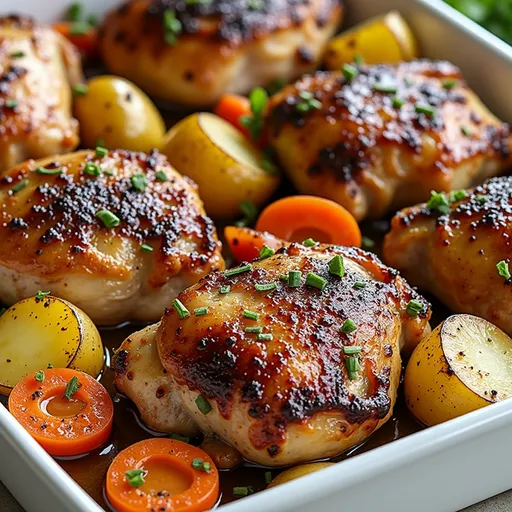
One pan meal featuring golden chicken thighs surrounded by vibrant carrots and potato wedges.

Now that we have our ingredients ready, let’s dive into the cooking process. This is where the magic happens!

  1. Preheat Your Oven: Start by preheating your oven to 425°F (220°C). A hot oven is crucial for achieving that perfectly crispy skin on the chicken thighs.
  2. Combine Ingredients: In a large mixing bowl, toss together the chicken thighs, carrots, and potatoes. This is where we infuse flavor into every component.
  3. Season with Love: Drizzle everything with olive oil and sprinkle the garlic powder, onion powder, paprika, salt, and pepper over the mixture. Use your hands to ensure everything is well-coated. This step is essential for that rich, bold flavor.
  4. Arrange in a Pan: Grab a large baking sheet or a roasting pan, and arrange the chicken thighs skin-side up in the center. Surround them with the seasoned carrots and potatoes, spreading them out evenly for optimal roasting.
  5. Roast Away: Place the pan in the preheated oven and roast for about 35-40 minutes. You’ll want the chicken to reach an internal temperature of 165°F (74°C) and the skin to be golden brown and crispy. Don’t forget to check on your veggies, ensuring they’re tender and caramelized.
  6. Broil for Extra Crispiness: If you’re feeling adventurous (and who isn’t?), broil for an additional 2-3 minutes to achieve that extra crunch on the chicken skin. Just keep an eye on it to avoid burning!
  7. Rest and Garnish: Once done, remove the pan from the oven and let it rest for a few minutes. This step allows the juices to redistribute, ensuring every bite is juicy and flavorful. Garnish with fresh herbs if desired, then serve and enjoy!

Tips for Variations

One of the beautiful aspects of this recipe is its versatility. Here are some fun ways to customize your dish:

  • Vegetable Mix: Feel free to toss in other vegetables like bell peppers, Brussels sprouts, or sweet potatoes to switch things up. Each addition brings a unique flavor profile and texture.
  • Marinate for Flavor: For an extra punch, consider marinating your chicken thighs for a few hours or overnight. A mixture of lemon juice, garlic, and herbs will elevate the dish to new heights.
  • Kick It Up a Notch: Spice lovers can add a pinch of cayenne pepper or smoked paprika to the seasoning mix, creating a delightful contrast with the sweetness of the vegetables.
  • Mediterranean Twist: Add olives or sun-dried tomatoes to the roasting pan for a Mediterranean flare that complements the chicken beautifully.
  • Rich Sauce: Don’t forget about the pan drippings! Deglaze the pan with chicken broth after roasting, scraping up all those tasty bits for a simple sauce to drizzle over your meal.
  • Serve Over Grains: For a heartier meal, serve these roasted beauties over a bed of quinoa or couscous. It adds texture and makes the dish even more filling.

Serving Suggestions

Serving this dish is just as enjoyable as making it! Here are some ideas to enhance your dining experience:

  • Family-Style Presentation: Serve directly from the roasting pan for a warm, inviting atmosphere that encourages conversation and connection.
  • Pair with a Salad: A simple green salad with mixed greens, cucumbers, and cherry tomatoes drizzled with vinaigrette complements the richness of the chicken.
  • Crusty Bread: A loaf of crusty bread or dinner rolls is perfect for soaking up the flavorful juices. Don’t skimp on this one!
  • Seasonal Pairings: In the fall, consider serving with a warm apple or pumpkin salad. During spring, a light citrus salad can offer a refreshing contrast.
  • Leftovers: Store any leftovers in an airtight container in the refrigerator for up to three days, making for quick and delicious lunches or dinners later.

Storage and Freezing

Wondering how to store your delicious creation? Here’s what you need to know:

  • Store leftovers in an airtight container in the refrigerator for up to three days.
  • For longer storage, you can freeze the dish. Allow it to cool completely, then transfer to a freezer-safe container. It can be frozen for up to three months. Thaw in the refrigerator overnight before reheating.

FAQ

Let’s tackle some common questions about this scrumptious recipe:

  • Can I use boneless chicken thighs? Yes! Just reduce the cooking time by about 10 minutes, as boneless thighs cook faster than bone-in ones. Always ensure the internal temperature hits 165°F (74°C).
  • Can I prepare the ingredients ahead of time? Absolutely! Marinate the chicken and chop the vegetables, then store them in the refrigerator for up to 24 hours before roasting.
  • What sides pair well with this dish? This meal pairs beautifully with a fresh salad, crusty bread, or served over rice or quinoa for a complete experience.

Troubleshooting

If you run into any hiccups along the way, here are some solutions:

  • Chicken Skin Isn’t Crispy: Ensure your oven is preheated properly and that the chicken is well-coated with oil and seasonings. Broiling for a couple of minutes can also help achieve that crunch.
  • Vegetables Aren’t Tender: If the vegetables aren’t cooking through, make sure they’re cut into uniform pieces. You can also give them a gentle stir halfway through roasting to promote even cooking.

Conclusion

So there you have it, my friends! One-Pan Roasted Chicken Thighs with Carrots and Potatoes is more than just a meal; it’s an experience that brings family and flavors together. Embrace the adventure of cooking and let this dish become a staple in your home. With its bold flavors and easy preparation, you’ll find yourself making it again and again. Now grab your skillet, ignite your passion for cooking, and let’s get roasting!
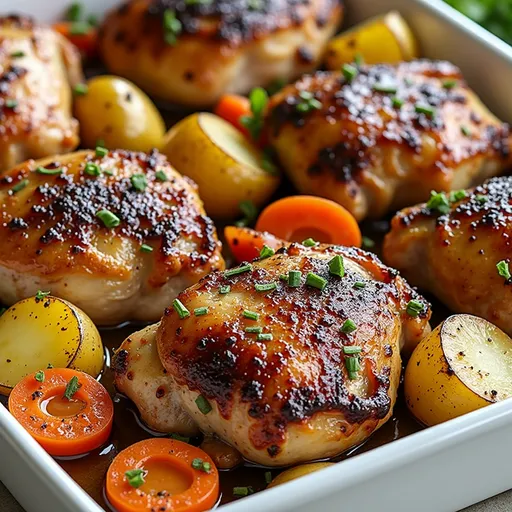
One-Pan Roasted Chicken Thighs with Carrots and Potatoes

Prep Time 10 minutes
Cook Time 40 minutes
Total Time 50 minutes
Servings 4 servings
Calories 550
A simple and flavorful one-pan meal featuring crispy chicken thighs roasted with tender carrots and potatoes.

Ingredients

Protein

  • 4 pieces chicken thighs, bone-in and skin-on

Vegetables

  • 4 medium carrots, peeled and cut into chunks
  • 4 medium potatoes, cut into wedges

Seasonings & Oil

  • 3 tablespoons olive oil
  • 2 teaspoons garlic powder
  • 1 teaspoon onion powder
  • 1 teaspoon paprika

Salt and Pepper

  • to taste salt and pepper

Optional Garnish

  • as desired fresh herbs (rosemary or thyme) (for garnish)

Instructions 

  • Preheat oven to 425°F (220°C).
  • Combine chicken, carrots, and potatoes; toss with olive oil and seasonings.
  • Arrange chicken skin-side up on a baking sheet, spread vegetables around.
  • Roast for 35-40 minutes until chicken is cooked and skin is crispy.
  • Optional: broil for 2-3 minutes for extra crispiness. Rest, garnish, and serve.

Notes

Ensure chicken reaches an internal temperature of 165°F (74°C) before serving.
Calories: 550kcal
Cost: $15
Course: Main Course
Cuisine: American
Keyword: chicken, one-pan, Roast

Nutrition

Calories: 550kcal | Carbohydrates: 45g | Protein: 45g | Fat: 20g | Sodium: 600mg

Loved this recipe? Save it to your favorite Pinterest board so you can easily find it later! It’s the perfect way to keep all your sweet ideas in one place. ✨
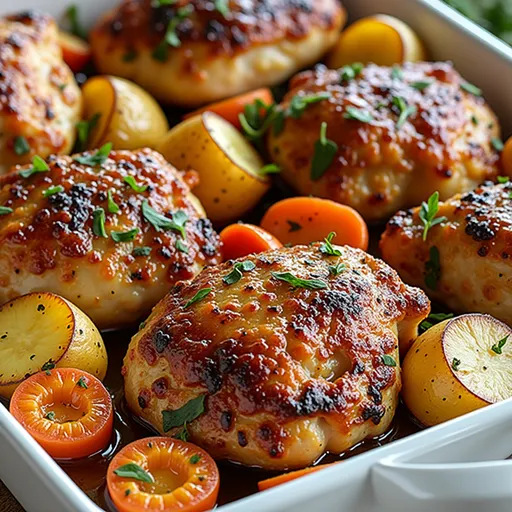
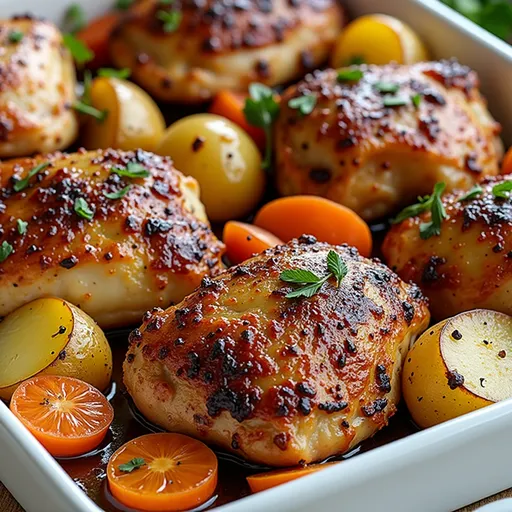
Beautifully arranged roasted chicken, carrots, and potatoes with soft shadows and warm lighting.

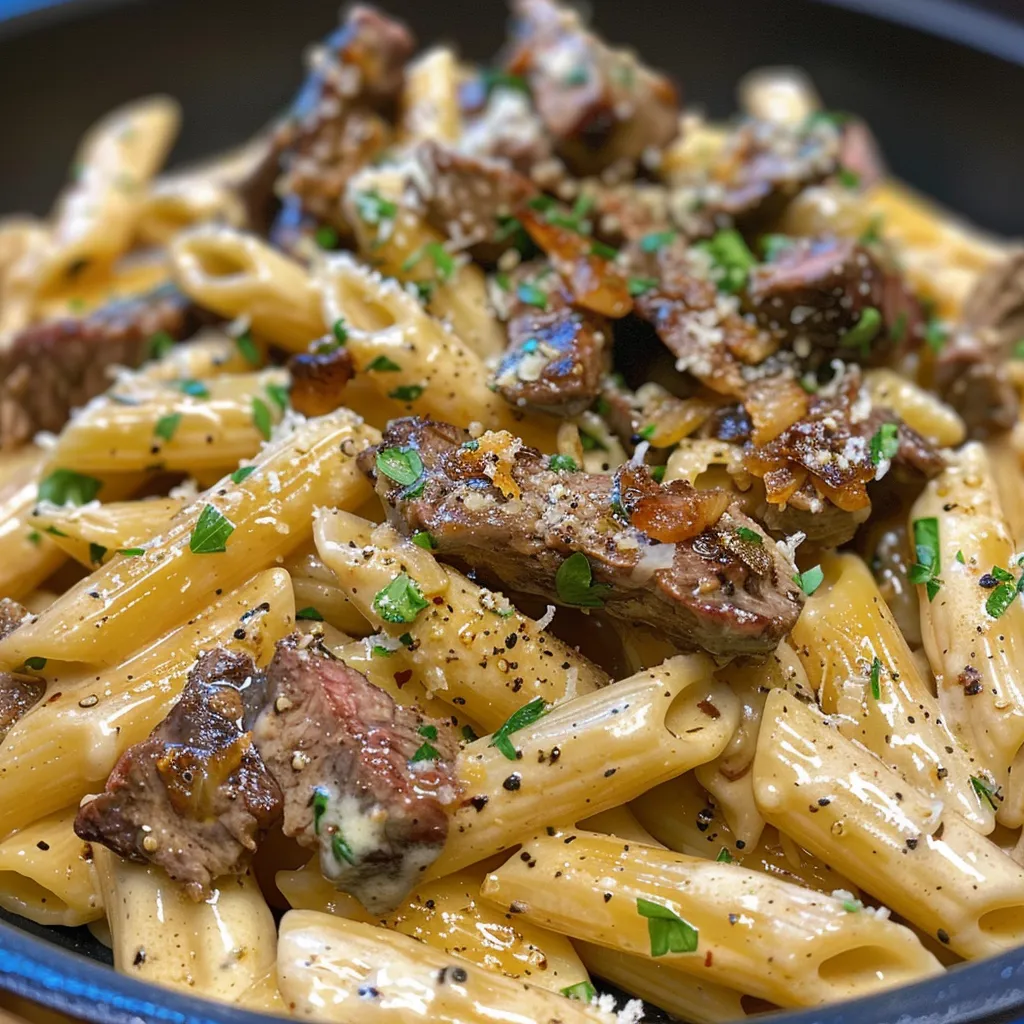
Welcome to a flavor fiesta! This Low Carb Creamy Garlic Beef Penne is not just another recipe; it’s an exploration of rich, bold flavors that dance on your palate. If you’re ready to dive into a creamy world where garlic butter and tender beef come together in perfect harmony, then grab your skillet and let’s ignite that culinary passion! This dish is perfect for those who crave indulgence without the guilt of excess carbs.

Why You’ll Love This Recipe

This creamy garlic beef penne is more than just a meal; it’s an experience. Here are five specific benefits that will have you reaching for your apron:

  • Quick and Easy: This one-pot wonder can be on your table in less than 30 minutes, making it ideal for busy weeknights.
  • Low Carb Delight: Enjoy all the flavors of a creamy pasta dish without the carbs, thanks to Qetoe Low Carb Penne.
  • Rich and Flavorful: The combination of garlic, beef, and cream creates a sauce that clings beautifully to every bite.
  • Customizable: Feel free to switch up the proteins or veggies based on what you have on hand!
  • Perfect for Meal Prep: This dish reheats wonderfully, making it an excellent option for meal-prepping your week.

Ingredients Breakdown & Substitutions

Let’s dive into the heart of this recipe—the ingredients. Each component plays a vital role in building flavor and texture.

  • 200g Qetoe Low Carb Penne: The star of the show! If you prefer, any low-carb pasta or even zucchini noodles can work.
  • 450g Beef Sirloin or Flank Steak: Tender cuts of beef add richness. You can substitute with ground beef or turkey for a different texture.
  • 2 tbsp Olive Oil: Essential for searing the beef. Can be replaced with avocado oil for a higher smoke point.
  • 4 Cloves Garlic, minced: Fresh garlic amps up the flavor. Garlic powder can be an alternative, but fresh is always better.
  • 1 cup Heavy Cream: For that luscious sauce. Coconut cream can be used for a dairy-free option.
  • ½ cup Beef Broth: Adds depth to the sauce. Vegetable broth can be used for a lighter flavor.
  • 1 tsp Dried Italian Seasoning: A blend of herbs that complements the dish beautifully. Feel free to use fresh herbs for a more vibrant taste.
  • 1 tbsp Worcestershire Sauce: Optional, but it deepens the flavor profile. Soy sauce can be a substitute.
  • 1 tsp Salt: Adjust to taste. Always taste as you go!
  • ½ tsp Black Pepper: Freshly ground for the best flavor.
  • ¼ cup Grated Parmesan Cheese: For a cheesy finish. Nutritional yeast serves as a great dairy-free alternative.
  • Fresh Parsley, chopped (for garnish): A pop of color and freshness!

Step-by-Step Cooking Instructions

Now, let’s bring this dish to life! Follow these simple steps to create your masterpiece:

  • Prepare the Pasta: Cook the Qetoe penne according to package instructions (typically boil for 5 minutes, then let it sit off the heat for another minute). Drain and set aside.
  • Sear the Beef: In a large skillet, heat olive oil over medium-high heat. Add the sliced beef and sear for 3–4 minutes until browned. Remove and set aside.
  • Sauté the Garlic: In the same skillet, add more olive oil if needed. Sauté the minced garlic for about 1 minute until fragrant.
  • Build the Sauce: Pour in the beef broth and Worcestershire sauce, scraping up any browned bits from the pan. Add the heavy cream, Italian seasoning, salt, and pepper. Let it simmer gently for 5 minutes, stirring occasionally until slightly thickened.
  • Combine: Toss the cooked pasta into the sauce, ensuring every piece is coated. If the sauce is too thick, add a splash of reserved pasta water or more broth. Return the beef to the pan and mix everything together.
  • Finish with Cheese: Stir through the grated Parmesan cheese until melted and creamy. Garnish with fresh parsley, and your dish is ready to serve!

Pro Tips for Cooking Success

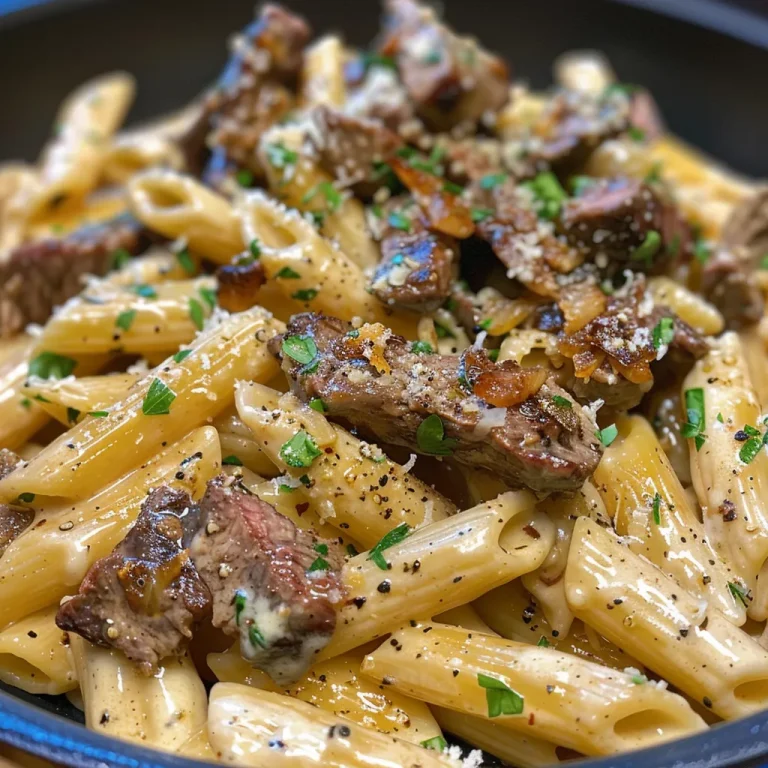
Side view of a bowl filled with Low Carb Creamy Garlic Beef Penne topped with grated Parmesan and parsley.

Here are some expert insights to elevate your cooking game:

  • Choose Quality Meat: For the best flavor and tenderness, opt for high-quality beef from your butcher.
  • Don’t Overcook the Beef: Sear just until browned to keep it juicy and tender.
  • Fresh Herbs Matter: If you have fresh basil or oregano, toss them in at the end for a burst of flavor.
  • Watch the Heat: Keep the heat moderate when simmering the sauce; you want it to thicken without boiling.
  • Garnish Generously: Fresh herbs not only look beautiful but enhance the dish’s freshness.
  • Experiment with Cheese: Try different cheeses like Gouda or Grana Padano for unique flavors.
  • Save Leftover Sauce: Use any remaining sauce as a dip for bread or drizzle over grilled chicken.
  • Keep It Creamy: If the sauce thickens too much, a splash of cream or broth will bring it back to life.

Common Mistakes and Troubleshooting

Even seasoned cooks can hit a snag! Here’s how to avoid common pitfalls:

  • Overcooking Pasta: Always follow package instructions—undercooked pasta holds up better in the sauce.
  • Thick Sauce: If your sauce is too thick, remember to add liquid bit by bit until you reach the desired consistency.
  • Bland Flavor: Don’t forget to taste as you go! Adjust seasonings to suit your palate.
  • Beef Toughness: Slicing against the grain is crucial for tender bites.

Variations to Spice Things Up

Feel free to get creative! Here are four delicious variations to consider:

  • Vegetarian Version: Swap beef for sautéed mushrooms and spinach for a hearty vegetarian option.
  • Spicy Kick: Add a pinch of red pepper flakes or diced jalapeños for a fiery twist.
  • Cheesy Broccoli: Toss in steamed broccoli for added nutrition and color.
  • Buffalo Style: Incorporate buffalo sauce for a zesty, tangy flavor.

Storage and Make-Ahead Instructions

This dish is a great candidate for meal prep! Here’s how to store and reheat:

  • Storing Leftovers: Keep in an airtight container in the fridge for up to 3 days.
  • Freezing: This dish can be frozen, but the cream may separate upon thawing. Reheat gently on the stovetop, adding a splash of cream or broth.
  • Reheating: Warm on the stovetop over low heat, stirring frequently to maintain creaminess.

Comprehensive FAQ

Got questions? I’ve got answers! Here are some of the most common inquiries about this recipe:

  • Can I use other types of pasta? Absolutely! Any low-carb pasta or even zucchini noodles will work.
  • Is this recipe suitable for meal prep? Yes! It stores and reheats well, making it perfect for meal prep.
  • What can I serve with this dish? A side salad or steamed veggies complement it beautifully.
  • Can I make this dish dairy-free? Yes, use coconut cream and nutritional yeast instead of cheese.
  • How can I make it spicier? Add red pepper flakes or diced jalapeños during the cooking process.
  • What if I don’t have beef broth? Chicken broth or vegetable broth can be used instead.
  • Can I add vegetables? Yes! Spinach, bell peppers, or broccoli are great additions.
  • How can I enhance the flavor? Fresh herbs or a squeeze of lemon juice can elevate the dish.

Nutritional Tips and Dietary Adaptations

This creamy garlic beef penne is not just low carb; it can also fit various dietary needs:

  • Keto-Friendly: With low carbs and high fat from the cream, it’s perfect for a keto diet.
  • High Protein: Packed with beef and cheese, it’s a filling dish that keeps you energized.
  • Gluten-Free: Ensure your pasta choice is gluten-free to cater to gluten-sensitive diners.

Equipment Recommendations

To whip up this delicious dish, you’ll need:

  • Large Skillet: A heavy-bottomed pan is ideal for even cooking.
  • Cooking Spoon: A wooden or silicone spoon to stir the sauce without scratching your skillet.
  • Measuring Cups and Spoons: For precise ingredient measurements.
  • Colander: For draining the pasta effectively.

Serving Suggestions

Ready to serve? Here are some ideas to elevate your presentation:

  • Garnish: A sprinkle of fresh parsley or basil adds a pop of color and freshness.
  • Pair with Wine: A glass of red wine complements the richness of the dish beautifully.
  • Serve with Bread: Crusty bread or garlic knots are perfect for mopping up the sauce.

There you have it! A comprehensive guide to crafting a Low Carb Creamy Garlic Beef Penne that’s not just a meal, but a culinary journey. Get ready to impress your friends, family, or just yourself with this delightful dish. Remember, the kitchen is your playground — embrace the thrill of cooking with heat, and don’t be afraid to make it your own. Happy cooking!

Low Carb Creamy Garlic Beef Penne

Prep Time 10 minutes
Cook Time 15 minutes
Total Time 25 minutes
Servings 4 servings
Calories 650
A delicious low-carb pasta dish featuring tender beef in a creamy garlic sauce, perfect for a satisfying yet healthy meal.

Ingredients

pasta

  • 200 g Qetoe Low Carb Penne (or your choice of pasta)
  • 450 g beef sirloin or flank steak (thinly sliced)
  • 2 tbsp olive oil
  • 4 cloves garlic (minced)
  • 1 cup heavy cream
  • ½ cup beef broth
  • 1 tsp dried Italian seasoning
  • 1 tbsp Worcestershire sauce (optional for depth)
  • 1 tsp salt (adjust to taste)
  • ½ tsp black pepper
  • ¼ cup grated Parmesan cheese
  • Fresh parsley (chopped, for garnish)

Instructions 

  • Cook pasta according to package instructions (boil for 5 minutes, then sit for 1 minute). Drain and set aside.
  • Heat olive oil in a skillet, sear beef for 3–4 minutes until browned. Remove and set aside.
  • Sauté garlic for 1 minute, add broth and Worcestershire, then pour in cream, seasonings, and simmer for 5 minutes.
  • Add pasta to sauce, return beef, and toss to coat. Stir in Parmesan and garnish with parsley.

Notes

For extra flavor, add a splash of reserved pasta water if sauce is too thick.
Calories: 650kcal
Cost: $15
Course: Main Course
Cuisine: American
Keyword: beef, Low Carb, pasta

Nutrition

Calories: 650kcal | Carbohydrates: 20g | Protein: 45g | Fat: 40g | Sodium: 900mg

Why You’ll Love This Dish

Cooking is about more than just feeding ourselves; it’s an adventure that ignites our senses and brings people together. With each meal, we have the opportunity to create memories, and Crockpot Lemon Garlic Chicken is one dish that truly shines as a beacon of warmth and flavor. This recipe is not just a time-saver for busy nights; it’s a celebration of the vibrant, zesty flavors that make every bite feel like a hug from the inside out.

Imagine walking into your home after a long day, greeted by the intoxicating aroma of tender chicken bathing in a sauce made from fresh garlic and bright lemon juice. It’s a dish that says, “Welcome home!” Whether you’re cooking for family or entertaining friends, this easy slow cooker meal elevates any occasion. Packed with healthy ingredients, it’s a dish that doesn’t just taste good but also makes you feel good. Let’s dive into this culinary adventure together!

Overview of the Recipe

The beauty of Crockpot Lemon Garlic Chicken lies in its simplicity. With just a handful of ingredients, you can create a meal that’s bursting with flavor and easy on the eyes. Each component plays a crucial role in crafting a dish that’s both comforting and invigorating. Here’s what you’ll need:

  • 4 boneless, skinless chicken breasts
  • 1/4 cup lemon juice
  • 4 cloves garlic, minced
  • 1 teaspoon dried oregano
  • 1 teaspoon dried thyme
  • 1 teaspoon salt
  • 1/2 teaspoon black pepper
  • 1/4 cup chicken broth
  • 1 tablespoon olive oil
  • Fresh parsley for garnish (optional)

Ingredients to Elevate Your Dish

Deliciously plated Crockpot Lemon Garlic Chicken garnished with parsley in soft natural light.

Let’s break down the ingredients and discover how each one contributes to the magic:

  • Chicken Breasts: The star of the show! Look for high-quality chicken breasts that are fresh and plump. Boneless and skinless are perfect for easy shredding and cooking.
  • Lemon Juice: Freshly squeezed lemon juice adds a bright, zesty flavor that cuts through richness and brings the dish to life. It’s the secret ingredient that transforms ordinary chicken into something extraordinary.
  • Garlic: Minced garlic not only enhances flavor but also provides a warm, aromatic base for the dish. Plus, garlic has numerous health benefits, making this a wholesome choice.
  • Herbs: Dried oregano and thyme add layers of flavor that complement the lemon and garlic beautifully. They infuse the chicken with a Mediterranean flair.
  • Chicken Broth: This ingredient adds moisture and depth of flavor. Homemade broth is ideal, but store-bought works just as well. It’s all about enhancing that rich, savory goodness.
  • Olive Oil: A splash of olive oil helps in searing the chicken, locking in juices and flavor before it goes into the crockpot.
  • Fresh Parsley: As a final touch, fresh parsley not only beautifies the dish but also adds a hint of freshness that balances the flavors.

Instructions for Perfectly Tender Chicken

Now that we have our ingredients prepped and ready, let’s get cooking! Follow these steps for a light slow cooker recipe that will have everyone asking for seconds:

  1. In a small bowl, combine the lemon juice, minced garlic, oregano, thyme, salt, pepper, and chicken broth. Whisk it all together until well-mixed.
  2. In a skillet over medium heat, add the olive oil. Once hot, sear the chicken breasts for 2-3 minutes on each side until lightly browned. This step is essential for locking in flavor and moisture.
  3. Transfer the seared chicken breasts into your crockpot, arranging them in a single layer.
  4. Pour the lemon garlic mixture over the chicken, making sure it’s evenly coated.
  5. Cover the crockpot and cook on low for 6-7 hours or on high for 3-4 hours, until the chicken is cooked through and tender.
  6. Once cooked, use two forks to shred the chicken directly in the crockpot, mixing it with the sauce for maximum flavor.
  7. Serve hot, garnished with fresh parsley if desired, and enjoy your culinary masterpiece!

Tips for Success

Every great dish comes with a few secrets up its sleeve. Here are some tips to ensure your Crockpot Lemon Garlic Chicken is a showstopper:

  • Quality Ingredients: Always choose the freshest ingredients you can find. Organic chicken and fresh herbs will elevate your dish.
  • Don’t Rush the Searing: Take the time to sear the chicken; it’s worth it for the flavor it adds.
  • Adjust the Seasoning: Feel free to tweak the herbs and seasonings based on your preferences. If you love a bit of heat, throw in some crushed red pepper flakes.
  • Cook Time Matters: For the best texture, avoid overcooking. If you’re using smaller chicken breasts, check for doneness a bit earlier.

Variations to Try

Cooking is all about experimentation, and this recipe is no exception. Here are a few variations to consider:

  • Add Vegetables: Toss in some chopped carrots, potatoes, or bell peppers into the crockpot for a complete one-pot meal.
  • Spice it Up: For a Mediterranean twist, add olives or sun-dried tomatoes. They’ll enhance the flavor profile beautifully.
  • Make it Creamy: Stir in a touch of heavy cream or Greek yogurt at the end for a richer sauce.

Substitutions to Consider

Need to swap something out? Here are some easy substitutions:

  • Chicken Thighs: If you prefer dark meat, bone-in or boneless chicken thighs are a great alternative. They’ll add even more flavor!
  • Fresh Herbs: If you have fresh oregano or thyme on hand, feel free to use them instead of dried. You’ll need about three times the amount.
  • Low-Sodium Broth: If you’re watching your salt intake, opt for low-sodium chicken broth.

Equipment You’ll Need

Before you dive into cooking, make sure you have the right tools:

  • Crockpot or Slow Cooker
  • Skillet for Searing
  • Cutting Board
  • Measuring Cups and Spoons
  • Mixing Bowl
  • Two Forks for Shredding

Storage and Freezing Tips

After enjoying your delicious meal, you might be wondering about leftovers. Here’s how to store and freeze your Crockpot Lemon Garlic Chicken:

  • Refrigeration: Store leftovers in an airtight container in the fridge for up to 4 days. Reheat gently on the stove or in the microwave.
  • Freezing: Allow the chicken to cool completely before transferring it to a freezer-safe container. It can be frozen for up to 3 months. Thaw overnight in the fridge before reheating.

FAQs About Crockpot Cooking

Got questions? You’re not alone! Here are some frequently asked questions:

  • Can I use frozen chicken breasts? Yes, but make sure to increase the cooking time by about an hour. Always ensure chicken reaches an internal temperature of 165°F.
  • Can I double the recipe? Absolutely! Just make sure your crockpot is large enough to accommodate the extra ingredients.
  • What can I serve with this dish? It pairs wonderfully with rice, quinoa, or a simple green salad. The tangy sauce is perfect for drizzling over your sides.

Troubleshooting Common Issues

If you run into any hiccups, fear not! Here’s how to troubleshoot:

  • Chicken is Dry: This could mean it was overcooked. Ensure you’re checking the internal temperature and adjusting cooking time accordingly.
  • Flavor is Too Mild: Don’t hesitate to adjust the seasoning or add more lemon juice or garlic to amp up the flavor.

Conclusion: Embrace the Flavor Adventure

Cooking should never feel like a chore; it should be an exciting journey filled with bold flavors and delicious aromas. Crockpot Lemon Garlic Chicken is your ticket to a satisfying meal that whisks you away to a world of vibrant tastes. Whether you’re a seasoned chef or a kitchen newbie, this recipe invites you to experiment and find joy in cooking.

So, gather your ingredients, fire up that crockpot, and let the magic unfold. You’ll not only create a meal that fills bellies but one that warms hearts. Embrace the zest, the garlic, and the adventure of cooking – because every dish tells a story. Here’s to your culinary journey!

Crockpot Lemon Garlic Chicken Recipe – Easy Slow Cooker Meal

Prep Time 10 minutes
Cook Time 6 hours
Total Time 6 hours 10 minutes
Servings 4 servings
Calories 250
This flavorful crockpot lemon garlic chicken is a quick and easy meal perfect for busy days, offering tender, shredded chicken with bright citrus and herb flavors.

Ingredients

Protein

  • 4 pieces boneless, skinless chicken breasts

Liquid

  • 1/4 cup lemon juice
  • 1/4 cup chicken broth

Aromatics & Seasonings

  • 4 cloves garlic, minced
  • 1 teaspoon dried oregano
  • 1 teaspoon dried thyme
  • 1 teaspoon salt
  • 1/2 teaspoon black pepper
  • 1 tablespoon olive oil

Garnish

  • fresh parsley for garnish (optional) fresh parsley (optional)

Instructions 

  • Mix lemon juice, garlic, oregano, thyme, salt, pepper, and chicken broth.
  • Sear chicken in olive oil until lightly browned, 2-3 minutes per side.
  • Place chicken in crockpot and pour lemon garlic mixture over it.
  • Cook on low for 6-7 hours or high for 3-4 hours until tender.
  • Shred chicken, mix with sauce, and serve garnished with parsley if desired.

Notes

For extra flavor, add a squeeze of fresh lemon before serving.
Calories: 250kcal
Cost: $15
Course: Main Course
Cuisine: American
Keyword: chicken

Nutrition

Calories: 250kcal | Carbohydrates: 8g | Protein: 35g | Fat: 9g | Sodium: 600mg

Loved this recipe? Save it to your favorite Pinterest board so you can easily find it later! It’s the perfect way to keep all your sweet ideas in one place. ✨
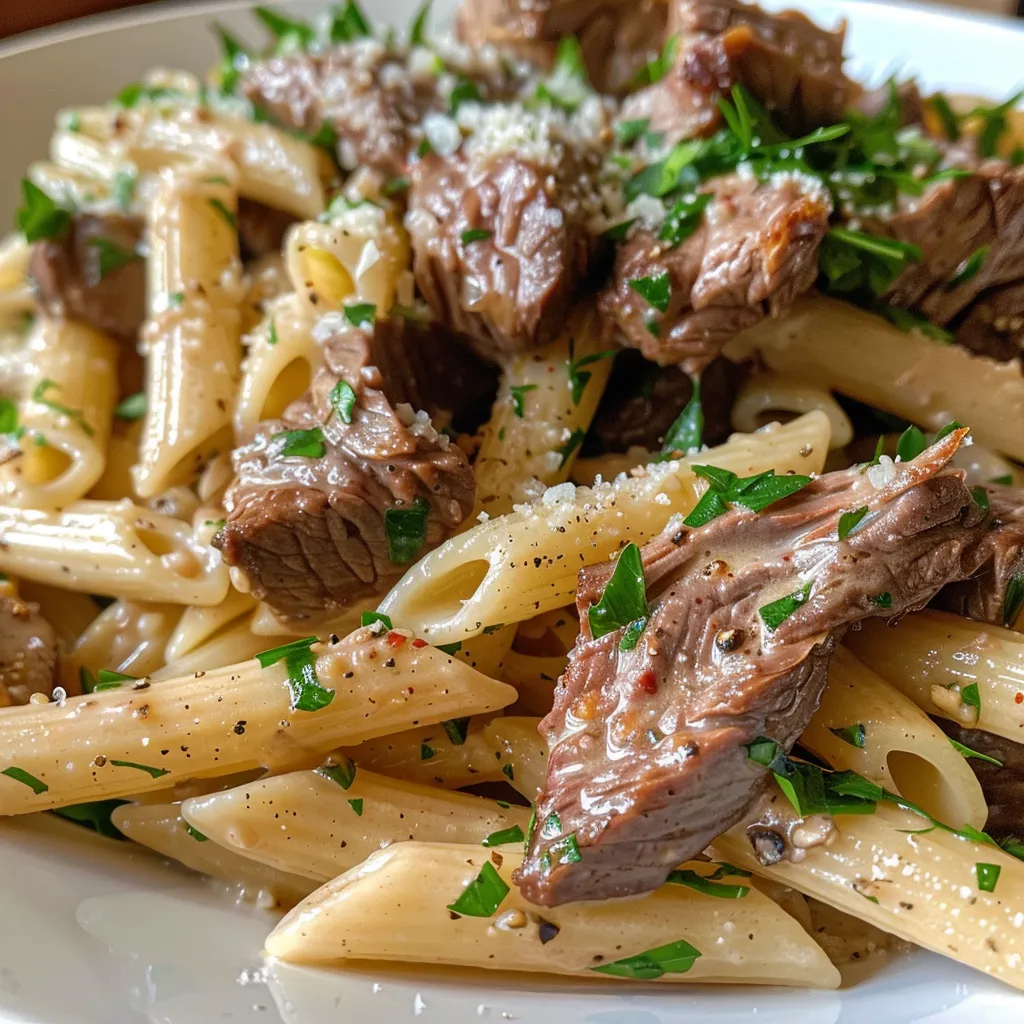
Tender chicken breasts cooked to perfection in lemon garlic sauce, showcased in a cozy setting.

Why You’ll Love This Recipe

If you’ve ever found yourself yearning for something sweet yet wholesome, the Irresistible Greek Yogurt Cookie Dough Recipe is about to become your new favorite indulgence. Imagine the creamy, dreamy blend of tangy Greek yogurt and nutty peanut butter, rounded out by the gentle sweetness of maple syrup. This cookie dough is a game-changer, offering all the joy of traditional cookie dough without the guilt. It’s a delightful treat that can be enjoyed straight from the bowl or as a fun dip for fresh fruits and crunchy snacks. And the best part? It’s no-bake, making it a quick go-to for when those sweet cravings hit.

Ingredients You’ll Need

Gathering the right ingredients is essential to achieving that perfect balance of flavors and textures. Here’s what you’ll need to whip up this delightful cookie dough:

  • 1/2 cup plain Greek yogurt
  • 1/4 cup peanut butter or almond butter
  • 2 tablespoons maple syrup or honey
  • 1/2 teaspoon vanilla extract
  • 1/2 cup oat flour (or blended oats)
  • 1/4 cup mini chocolate chips
  • Pinch of salt

How to Make Irresistible Greek Yogurt Cookie Dough

Delicious spoonful of Greek yogurt cookie dough on a rustic background.

Step 1: Mix the Wet Ingredients

Start by grabbing a medium-sized bowl. In it, combine the Greek yogurt, your choice of nut butter (peanut or almond), maple syrup or honey, and vanilla extract. Using a spatula, mix these ingredients until you achieve a smooth and creamy consistency. This blend acts as the flavorful base of your cookie dough, providing both richness and a delightful tang that only Greek yogurt can bring.

Step 2: Incorporate the Dry Ingredients

Next up, it’s time to add the dry ingredients. Gradually sprinkle in the oat flour and a pinch of salt to the wet mixture. Stir gently but thoroughly until you see a soft, dough-like consistency forming. The oat flour is key here; it gives your cookie dough the structure it needs while keeping it light and tender. The pinch of salt will enhance the sweetness and create a beautifully balanced flavor.

Step 3: Fold in the Chocolate Chips

Now comes the fun part! Gently fold in the mini chocolate chips, ensuring they’re evenly distributed throughout the dough. These little gems will provide bursts of sweetness in every bite, making your cookie dough utterly irresistible. Just be careful not to overmix – we want those chocolate chips to shine!

Step 4: Chill and Serve

Once your dough is mixed, it’s time to let it chill. Place the bowl in the refrigerator for about 10–15 minutes. This step is crucial as it firms up the dough slightly, making it easier to scoop and enjoy. Once chilled, your Greek Yogurt Cookie Dough is ready to be devoured!

How to Serve This Delicious Treat

The beauty of this cookie dough lies in its versatility. Whether you’re enjoying it as a snack or serving it at a gathering, here are some creative ways to elevate your experience:

Garnishes

Add a sprinkle of extra mini chocolate chips on top or a few chopped nuts for added crunch. A light dusting of cinnamon or cocoa powder can introduce a cozy flavor twist that will surprise your taste buds.

Side Dishes

This cookie dough pairs beautifully with fresh fruits like apple slices, banana chunks, or strawberries. The natural sweetness of the fruit complements the creamy texture of the dough perfectly. For a bit of crunch, try serving it alongside pretzels or graham crackers.

Creative Ways to Present

Why not serve your cookie dough in charming mason jars for a cute, portable snack idea? You can even layer it with fresh fruit and granola to create a delightful parfait that’s perfect for breakfast or dessert. Another fun idea is to dollop it onto warm pancakes or waffles, turning a simple meal into a protein-rich feast.

Make Ahead and Storage

Storing Leftovers

If you find yourself with leftovers, don’t worry! The cookie dough keeps beautifully in an airtight container in the refrigerator for up to four days. Keeping it chilled helps preserve the texture and flavor, making it a quick grab-and-go snack whenever those cravings strike.

Freezing

For longer storage, you can freeze portions of the dough. Simply scoop out tablespoon-sized amounts onto a parchment-lined tray and freeze until firm. Then, transfer the frozen dough balls to a freezer-safe container. When stored properly, the dough can last up to two months! Just thaw in the fridge whenever you’re in the mood for a sweet treat.

Reheating

This cookie dough is best enjoyed chilled or at room temperature, so reheating isn’t usually necessary. However, if you prefer a softer scoop, let it sit at room temperature for a few minutes before digging in.

FAQs

Is this recipe safe to eat raw?

Absolutely! Since there’s no raw egg or flour that needs cooking, this cookie dough is completely safe to eat straight from the bowl. It’s the perfect no-bake treat that you can enjoy without any worries.

Can I make this recipe vegan?

Yes! To create a delicious plant-based version, simply use dairy-free Greek-style yogurt and vegan chocolate chips. You won’t miss a beat with this creamy, indulgent treat.

What if I don’t have oat flour?

No problem! You can easily make your own oat flour by blending rolled oats until they reach a fine, flour-like texture. This quick substitute keeps the recipe wholesome and delicious.

Can I use other nut butters?

Definitely! Almond butter, cashew butter, or even sunflower seed butter will work beautifully in this recipe. Each option adds its unique flavor twist while maintaining that creamy richness.

How sweet is this cookie dough?

The recipe strikes a perfect balance between mild sweetness and wholesome flavors, but feel free to adjust the maple syrup or honey to fit your personal taste. Go ahead and make it your own!

Tips for Perfecting Your Cookie Dough

Here are some insider tips to elevate your cookie dough experience:

  • Texture matters: Ensure your Greek yogurt is thick and creamy for the best texture.
  • Experiment: Don’t hesitate to add a pinch of your favorite spices, like cinnamon or nutmeg, to enhance the flavor profile.
  • Mix-ins: Consider adding chopped nuts, dried fruits, or even a splash of espresso powder for a mocha twist!

Final Thoughts

There you have it, folks! The Irresistible Greek Yogurt Cookie Dough Recipe is not just a dessert; it’s an adventure waiting to happen in your kitchen. This delightful treat is proof that nourishing snacks can also be totally crave-worthy. Whether you’re treating yourself or sharing with friends, this creamy concoction is bound to impress. I can’t wait for you to try it and make it your own. Embrace the joy of cooking and savor every delicious bite!

Irresistible Greek Yogurt Cookie Dough Recipe

Prep Time 10 minutes
Total Time 10 minutes
Servings 4 servings
Calories 180
This quick and healthy cookie dough combines Greek yogurt and nut butter for a delicious treat you can enjoy straight from the bowl or use as a dip.

Ingredients

Base

  • 1/2 cup plain Greek yogurt
  • 1/4 cup peanut butter or almond butter
  • 2 tablespoons maple syrup or honey
  • 1/2 teaspoon vanilla extract
  • 1/2 cup oat flour (or blended oats)
  • 1/4 cup mini chocolate chips
  • pinch salt

Instructions 

  • Mix Greek yogurt, peanut butter, maple syrup, and vanilla until smooth.
  • Add oat flour and salt; stir until dough forms.
  • Fold in chocolate chips evenly.
  • Refrigerate for 10–15 minutes to firm up.
  • Enjoy directly or dip with fruit or pretzels.

Notes

Adjust sweetness or salt to taste for best flavor.
Calories: 180kcal
Cost: $10
Course: Snack
Cuisine: Greek
Keyword: cookie dough, yogurt

Nutrition

Calories: 180kcal | Carbohydrates: 20g | Protein: 8g | Fat: 8g | Sodium: 50mg

Loved this recipe? Save it to your favorite Pinterest board so you can easily find it later! It’s the perfect way to keep all your sweet ideas in one place. ✨
Texture-rich Greek yogurt cookie dough featuring mini chocolate chips.

Unleashing the Flavor: The Ultimate Guide to Oven Roasted Spaghetti Squash

Welcome to the world of spaghetti squash, a vibrant, nutrient-packed alternative to traditional pasta that transforms any meal into a culinary adventure! As a chef born and raised in San Antonio, Texas, I’ve learned that the magic of cooking lies in the ingredients and the stories they tell. Today, we’re diving deep into the art of roasting spaghetti squash in the oven — a technique that not only elevates the flavor but also makes it a versatile star on your dinner plate.

In this guide, we’ll explore the many facets of this humble squash, from why you’ll love it, to detailed cooking instructions, expert tips, and even variations to keep your palate excited. So, grab your knife and let’s get cooking!

Why You’ll Love This Oven Roasted Spaghetti Squash

Oven roasted spaghetti squash is not just another recipe; it’s an experience waiting to unfold. Here are some reasons why you’ll fall head over heels for this dish:

  • Low-Carb Delight: If you’re looking for a healthy, low-carb alternative to pasta, this squash is a great choice. Each serving is packed with flavor but low in calories, making it a perfect option for those watching their carbohydrate intake.
  • Versatile Base: The squash’s subtle flavor makes it a perfect canvas for various sauces and toppings. Whether you prefer marinara, pesto, or a simple drizzle of olive oil and garlic, the possibilities are endless!
  • Easy to Prepare: With minimal prep time, this recipe is perfect for busy weeknights. Just roast, scrape, and serve — it’s that simple!
  • Nutrient-Rich: Spaghetti squash is loaded with vitamins A and C, as well as antioxidants that promote overall health. Eating well has never been this delicious!
  • Impress Your Guests: Serve it as a side dish or a main course; this dish will wow your friends and family with its unique presentation and delightful taste.

Ingredients Breakdown

Let’s talk about what you need to create this masterpiece! Here’s a detailed overview of the ingredients, along with some clever substitutions:

  • 1 medium-sized spaghetti squash (around 3 pounds): Look for a squash that is deep yellow in color and devoid of blemishes. If you can find a smaller one (around 2 pounds), it will cook quicker but still deliver that signature texture.
  • 2 teaspoons olive oil: This adds richness and enhances the roasting process. If you’re looking for a different flavor, try avocado oil or even melted coconut oil.
  • 1/4 teaspoon salt: Essential for enhancing the squash’s natural flavors. Swap with sea salt for a mineral boost.
  • 1/4 teaspoon pepper: Freshly cracked black pepper adds a lovely bite. For a spicy twist, consider using cayenne or smoked paprika.

Step-By-Step Instructions for Oven Roasted Spaghetti Squash

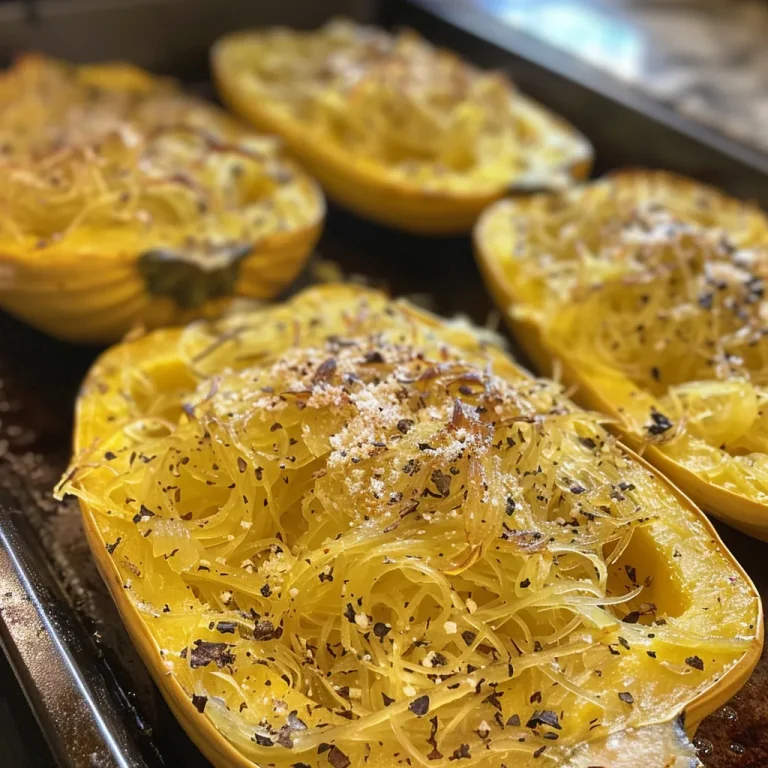
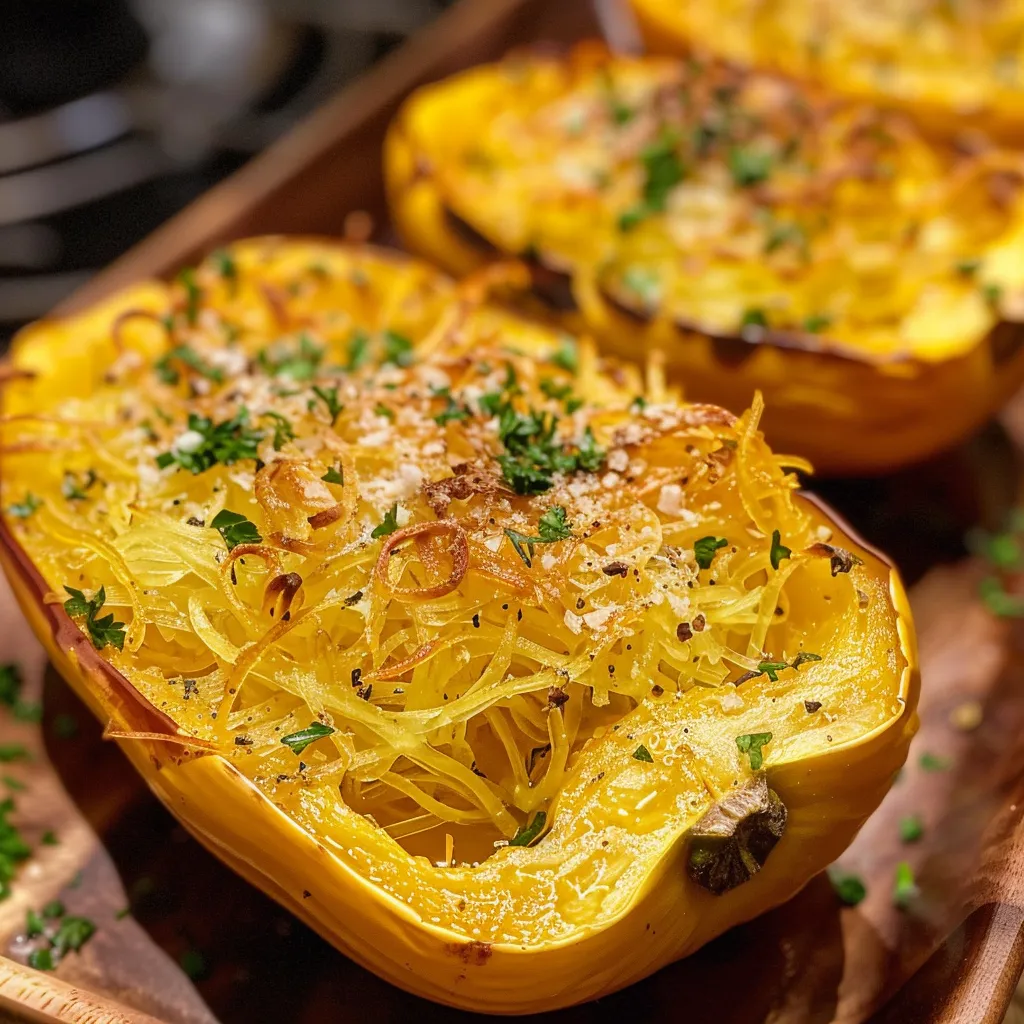
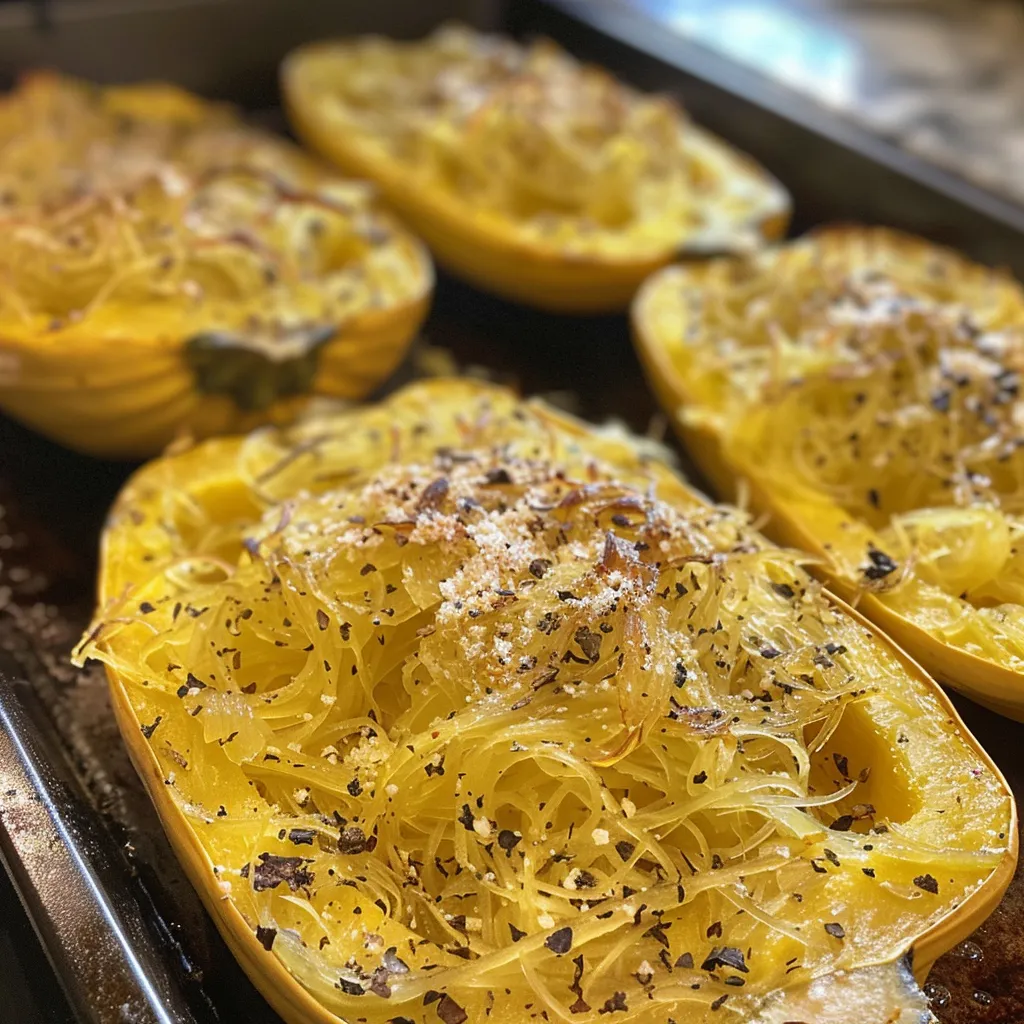
Side view of juicy, oven-roasted spaghetti squash glistening with olive oil and spices.

Ready to dive into the cooking process? Follow these easy steps, and you’ll have perfectly roasted spaghetti squash in no time!

  • Preheat your oven: Set it to 400°F (200°C). While it’s heating, line a rimmed baking sheet with parchment paper to make clean-up a breeze.
  • Slice the squash: Carefully cut the squash in half lengthwise. If it feels tough, microwave it for a couple of minutes to soften the skin. Don’t forget to prick some holes in the skin to let steam escape!
  • Remove the seeds: Use a spoon to scrape out the seeds and stringy bits inside the squash. This step is crucial for achieving that perfect “spaghetti” texture.
  • Season it up: Brush or drizzle olive oil over the insides of the squash, then sprinkle with salt and pepper. This will help create a beautiful golden crust during roasting.
  • Roast the squash: Place the squash cut side down on the baking sheet and roast in the oven for about 40 minutes. You’ll know it’s done when a fork easily pierces the skin and the flesh is tender.
  • Cool and shred: Remove the squash from the oven and let it cool for a few minutes until it’s safe to handle. Use a fork to shred the flesh into spaghetti-like strands. Voila!
  • Serve: Enjoy it as a side dish or toss it with your favorite sauce. The world is your oyster (or spaghetti squash, in this case)!

Pro Tips for Perfect Roasted Spaghetti Squash

Now that you’re ready to roast, here are some expert insights to take your dish to the next level:

  • Choose the right squash: The best spaghetti squash is firm, heavy for its size, and has a hard rind. Avoid any that have soft spots or blemishes.
  • Don’t rush the cooling: Allowing the squash to cool slightly before shredding helps the strands separate more easily and prevents burns!
  • Experiment with spices: Feel free to add garlic powder, Italian seasoning, or even chili flakes to the olive oil before brushing it on for additional flavor.
  • Consider your toppings: Try adding freshly chopped herbs like basil or parsley, or even a sprinkle of Parmesan cheese for added richness.
  • Make ahead: Roast multiple squashes at once and store the strands in an airtight container in the fridge for up to five days. This makes meal prep a breeze!
  • Use the microwave: If you’re short on time, you can microwave the squash for about 10-12 minutes to speed up the cooking process. Just be sure to pierce the skin beforehand!
  • Check for doneness: If the fork doesn’t easily penetrate the flesh, give it another 5-10 minutes in the oven. A little patience goes a long way!
  • Store it properly: Once cooked, keep any leftovers in an airtight container in the fridge for up to five days. Reheat gently in the microwave or sauté briefly in a pan.

Common Mistakes and Troubleshooting

Even the best cooks can run into hiccups. Here are some common mistakes to avoid:

  • Not preheating the oven: Always preheat your oven to ensure even cooking and caramelization.
  • Overcooking the squash: Keep an eye on your squash; overcooked spaghetti squash can turn mushy. It should be tender yet hold its shape.
  • Skipping seasoning: Don’t overlook the importance of seasoning before roasting. A little salt and pepper go a long way in elevating the flavor.
  • Not scraping enough: Make sure to scrape out all the seeds and stringy bits; this allows for better presentation and texture.

Delicious Variations to Try

Once you master the basic recipe, here are some exciting variations to keep your meals fresh and flavorful:

  • Italian Style: Toss the shredded squash with marinara sauce, sautéed mushrooms, and fresh basil for a comforting Italian dish.
  • Spicy Cajun: Mix the strands with Cajun seasoning, sautéed bell peppers, and andouille sausage for a Creole twist.
  • Asian-Inspired: Combine with stir-fried vegetables, soy sauce, and sesame oil for a unique Asian flair.
  • Cheesy Goodness: Add shredded cheese, bake until bubbly, and finish with breadcrumbs for a comforting casserole.

Storage and Make-Ahead Instructions

Planning ahead? Here’s how you can make the most of your spaghetti squash:

  • Refrigerate leftovers: Cooked spaghetti squash can be stored in an airtight container in the fridge for up to five days. Just reheat before serving!
  • Freeze for later: If you want to keep it longer, freeze the cooked strands in a freezer-safe container. They can last up to three months!
  • Prep ahead: Roast the squash in advance, and when you’re ready to eat, just reheat and top with your favorite sauces or toppings.

Frequently Asked Questions

Have questions? Here are some common queries about spaghetti squash:

  • How long to bake spaghetti squash? Generally, it takes about 40 minutes at 400°F, but this can vary based on the size of the squash.
  • Can I eat spaghetti squash raw? While you can technically eat it raw, it’s best enjoyed cooked for flavor and texture.
  • What’s the best way to cut spaghetti squash? Always cut it lengthwise for the best strands. If it’s tough, microwave it briefly to make it easier to slice.
  • How do I know when it’s done? The squash should be tender when pierced with a fork, and the flesh should easily scrape into strands.
  • Can I use spaghetti squash in place of pasta? Absolutely! It’s a great low-carb alternative to traditional pasta in many dishes.
  • Are there any nutritional benefits? Yes! Spaghetti squash is high in vitamins A and C, low in calories, and a good source of fiber.
  • Can I reheat cooked spaghetti squash? Yes, it can be reheated in the microwave or sautéed in a pan to warm it up.
  • Can I eat the skin of the squash? While technically edible, the skin is tough and not usually consumed. Stick to the flesh for the best eating experience.

Nutritional Tips and Dietary Adaptations

Looking to make your spaghetti squash experience even healthier? Here are some tips:

  • Pair with protein: Serve your squash with grilled chicken, shrimp, or legumes to create a balanced meal.
  • Go vegan: Top with a hearty vegan sauce or a mix of roasted vegetables for a plant-based delight.
  • Watch the toppings: If you’re watching your calories, be mindful of cheese and high-calorie sauces. Opt for herbs and spices to enhance flavor without extra calories.
  • Gluten-free goodness: This dish is naturally gluten-free, making it a fantastic option for those with gluten sensitivities.

Essential Equipment Recommendations

To make your cooking experience seamless, here’s a list of must-have equipment:

  • Sharp Chef’s Knife: For cleanly cutting through the tough skin of the squash.
  • Baking Sheet: A sturdy baking sheet is essential for even roasting.
  • Parchment Paper: This helps prevent sticking and makes cleanup a breeze.
  • Fork: For shredding the flesh into those glorious spaghetti strands.

Serving Suggestions

To round off your culinary adventure, here are some delightful ways to serve your oven roasted spaghetti squash:

  • As a side dish: Pair with grilled meats or seafood for a nutritious complement.
  • In salads: Toss with greens, nuts, and vinaigrette for a refreshing salad option.
  • As a main course: Top with your favorite sauce and protein for a filling meal.
  • With a sprinkle of herbs: Finish with fresh herbs like basil, parsley, or even cilantro for a burst of flavor.

So there you have it! A comprehensive guide to roasting spaghetti squash that will ignite your culinary creativity and inspire you to embrace the joy of cooking. Remember, the kitchen is your playground — don’t be afraid to experiment and add your unique twist to every dish. Happy cooking!

How To Cook Spaghetti Squash (Oven Roasted Recipe)

Prep Time 10 minutes
Cook Time 40 minutes
Total Time 50 minutes
Servings 4 servings
Calories 150
This simple oven-roasted spaghetti squash recipe yields tender, stringy squash perfect as a side or base for various dishes.

Ingredients

Main

  • 1 medium spaghetti squash (around 3 pounds)
  • 2 teaspoons olive oil
  • 1/4 teaspoon salt
  • 1/4 teaspoon pepper

Instructions 

  • Preheat oven to 400°F (200°C). Line a baking sheet with parchment paper.
  • Carefully cut the squash in half lengthwise. Microwave for a few minutes if needed to soften.
  • Remove seeds, brush inside with olive oil, and season with salt and pepper.
  • Place cut side down on the baking sheet and roast for 40 minutes until tender.
  • Cool slightly, then shred with a fork to create spaghetti-like strands.

Notes

For extra flavor, add herbs or cheese after shredding.
Calories: 150kcal
Cost: $15
Course: Side Dish
Keyword: Spaghetti Squash

Nutrition

Calories: 150kcal | Carbohydrates: 35g | Protein: 3g | Fat: 4g | Sodium: 150mg

Why You’ll Fall in Love with This Recipe

Imagine biting into a piece of chicken that is not just tender but practically melts in your mouth. That’s the magic of Yogurt Marinated Chicken. This dish is a celebration of flavor and texture, combining the creamy richness of yogurt with a medley of spices that dance on your palate. Whether you’re hosting a dinner party or simply treating yourself to a delicious meal, this recipe promises to elevate your chicken game to new heights.

In my years of cooking, I’ve discovered that the secret to truly great chicken lies in the marinade. And with the power of yogurt, you not only tenderize the meat but also infuse it with depth and personality. The lactic acid in yogurt works wonders, breaking down proteins and allowing the spices to penetrate deeply, making every bite an explosion of flavor. Ready to embrace the fire? Let’s dive into this tantalizing recipe!

Ingredients You’ll Need

Before you get started, gather these simple yet powerful ingredients:

  • 1½-2 lbs chicken cutlets (about 8 pieces)
  • 1/2 cup plain full-fat Greek yogurt
  • 1/4 cup olive oil
  • 1 tbsp honey
  • 1 lemon (juiced, about 1/4 cup)
  • 1 tsp lemon zest
  • 5 garlic cloves (minced)
  • 1 tbsp fresh parsley (chopped fine)
  • 1/2 tsp salt (or more to taste)
  • 1/4 tsp black pepper
  • 1/2 tsp paprika
  • 1/2 tsp onion powder
  • 1/2 tsp dried oregano
  • 1/2 tsp dried basil
  • 1/4 tsp cayenne pepper
  • 1/4 tsp coriander
  • 1/4 tsp cumin

How to Create Your Yogurt Marinated Chicken

A beautifully plated yogurt marinated chicken cutlet, showcasing its juicy texture and vibrant garnishes.

Now that you’ve gathered your ingredients, it’s time to bring this dish to life. Follow these simple steps:

  1. In a large mixing bowl, combine the Greek yogurt, olive oil, honey, lemon juice, lemon zest, minced garlic, parsley, salt, black pepper, paprika, onion powder, oregano, basil, cayenne pepper, coriander, and cumin. Whisk everything together until well combined.
  2. Add the chicken cutlets to the marinade. Toss them around until each piece is evenly coated in that delicious yogurt mixture.
  3. Cover the bowl with plastic wrap and refrigerate. For optimal flavor and tenderness, let the chicken marinate for at least one hour, but no more than 24 hours.
  4. When you’re ready to cook, remove the chicken from the fridge and allow it to come to room temperature for about 20 minutes. This will help it cook evenly.

Tips to Elevate This Dish

Want to take your yogurt marinated chicken to the next level? Here are some tips:

  • Experiment with Spices: Feel free to adjust the spice levels according to your taste. If you like it hotter, add more cayenne or throw in some chili powder.
  • Grill or Bake: While this chicken is fantastic grilled, you can also bake it in the oven. Preheat your oven to 375°F (190°C) and bake for 25-30 minutes or until the chicken is cooked through.
  • Add a Smoky Flavor: If you’re grilling, consider using wood chips to add a smoky depth to your chicken.

Variations & Substitutions

Every kitchen is different, and sometimes you need to adapt based on what you have on hand:

  • Yogurt Alternatives: If you don’t have Greek yogurt, you can substitute it with full-fat coconut cream or even sour cream, though the flavor will vary slightly.
  • Herb Swaps: Try using fresh thyme or rosemary instead of parsley for a different herbal twist.
  • Vegetarian Option: This marinade works beautifully on veggies like cauliflower or eggplant. Just cut them into similar-sized pieces for even cooking.

Perfect Pairings

What should you serve with this flavorful chicken? Here are some ideas to complement your meal:

  • Fresh Salad: A simple green salad with a light vinaigrette will balance the richness of the chicken.
  • Grains: Serve it over a bed of quinoa or couscous to soak up all those tasty juices.
  • Roasted Vegetables: Roasted carrots, zucchini, or asparagus make a beautiful and nutritious side.

FAQs

How long do I need to marinate the chicken for?

For the best flavor and tenderness, aim for 8-12 hours. However, if you’re short on time, even an hour will do!

What type of yogurt is best for this recipe?

Plain full-fat Greek yogurt is ideal because it provides the right consistency and flavor. But feel free to use what you have on hand!

How will I know if my chicken is cooked?

The best way to check if your chicken is done is to use a meat thermometer. The internal temperature should reach 165°F (75°C). You can also ensure the juices run clear.

Can I freeze leftovers?

Yes, you can freeze the chicken, but keep in mind that the texture may change slightly. Store it in an airtight container for up to three months.

Storage and Freezing Tips

If you find yourself with leftovers (lucky you!), here’s how to store them:

  • Refrigerate: Store any leftover chicken in an airtight container in the fridge for up to 2 days.
  • Freeze Before Cooking: For meal prep, you can freeze the marinated chicken in a freezer-safe bag for up to three months. Just thaw it overnight in the fridge before cooking.
  • Freeze After Cooking: After cooking, allow the chicken to cool completely before freezing. Reheat in the oven or microwave, ensuring it’s heated through.

Conclusion: Your Culinary Adventure Awaits

Cooking is all about exploration and discovery. With this Yogurt Marinated Chicken recipe, you’re not just preparing a meal; you’re embarking on a flavorful journey that will awaken your senses and inspire your culinary creativity. Each ingredient plays a vital role, contributing to the harmony of flavors that will have you and your guests savoring every bite. So gather your ingredients, unleash your inner chef, and let this dish be a testament to the joy of cooking boldly. Trust me, once you experience the tender, juicy magic of this chicken, you’ll never want to go back to plain, boring chicken again. Happy cooking!

Yogurt Marinated Chicken

Prep Time 10 minutes
Cook Time 15 minutes
Total Time 25 minutes
Servings 4 servings
Calories 250
Juicy, flavorful chicken marinated in creamy yogurt and herbs, perfect for a quick and healthy meal.

Ingredients

Chicken

  • 1.75 lbs chicken cutlets (about 8 pieces)
  • 0.5 cup plain full fat Greek yogurt
  • 0.25 cup olive oil
  • 1 tbsp honey
  • 1 lemon lemon (juiced) (about 1/4 cup juice)
  • 1 tsp lemon zest
  • 5 cloves garlic (minced)
  • 1 tbsp fresh parsley (chopped fine)
  • 0.5 tsp salt (or more to taste)
  • 0.25 tsp black pepper
  • 0.5 tsp paprika
  • 0.5 tsp onion powder
  • 0.5 tsp dried oregano
  • 0.5 tsp dried basil
  • 0.25 tsp cayenne pepper
  • 0.25 tsp coriander
  • 0.25 tsp cumin

Instructions 

  • Mix marinade ingredients in a large bowl.
  • Add chicken and coat evenly, then refrigerate for at least 1 hour.
  • Bring chicken to room temperature before cooking, about 20 minutes.

Notes

Marinate the chicken for at least an hour for best flavor.
Calories: 250kcal
Cost: $15
Course: Main Course
Cuisine: Mediterranean
Keyword: chicken, marinade, yogurt

Nutrition

Calories: 250kcal | Carbohydrates: 8g | Protein: 30g | Fat: 12g | Sodium: 300mg

Loved this recipe? Save it to your favorite Pinterest board so you can easily find it later! It’s the perfect way to keep all your sweet ideas in one place. ✨

Succulent yogurt marinated chicken cutlet highlighted by warm natural light, emphasizing its rich flavors.

Why This Dish Will Ignite Your Culinary Adventure

There’s something undeniably magical about a dish that brings together the comforting notes of garlic and herbs with the smoky goodness of grilled chicken and vibrant vegetables. This Grilled Garlic and Herb Chicken and Veggies recipe is not just a meal; it’s an experience that dances on your taste buds. Perfect for summer barbecues or a cozy weeknight dinner, this dish embodies the spirit of cooking boldly and embracing flavors that make your heart sing.

Imagine the aroma of garlic sizzling on the grill, mingling with the fresh essence of herbs wafting through the air. Each bite of chicken is succulent, infused with a marinade that packs a punch, while the veggies—bright bell peppers, crisp zucchini, and sweet red onion—add a splash of color and a crunchy texture that complements the tender meat. This is not just food; this is a celebration of flavor and creativity.

Ingredients You’ll Need

This dish is not only packed with flavor but also incredibly simple to prepare. Here’s what you’ll need to bring this vibrant meal to life:

  • 4 boneless, skinless chicken breasts
  • 3 tablespoons olive oil
  • 4 cloves garlic, minced
  • 2 teaspoons dried oregano
  • 2 teaspoons dried basil
  • 1 teaspoon salt
  • 1/2 teaspoon black pepper
  • 2 bell peppers (red and yellow), sliced
  • 1 zucchini, sliced
  • 1 red onion, sliced
  • Lemon wedges for serving

These ingredients are not just staples; they’re the building blocks of a dish that will have your family and friends raving.

Steps to Grilling Perfection

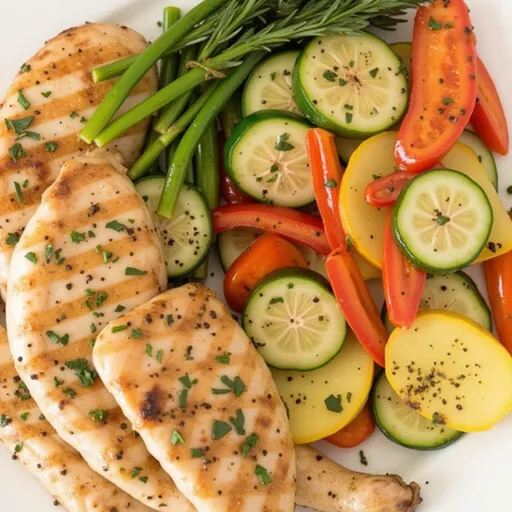
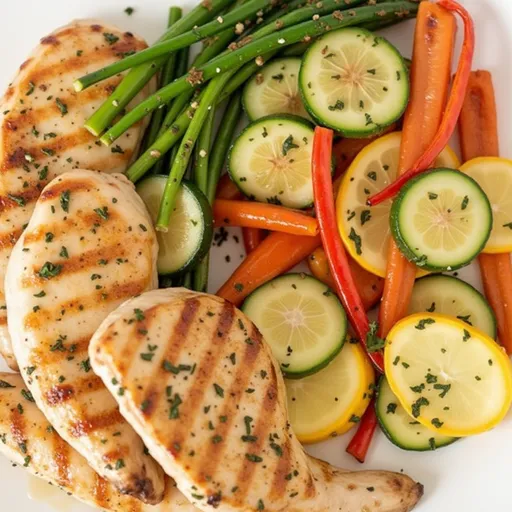
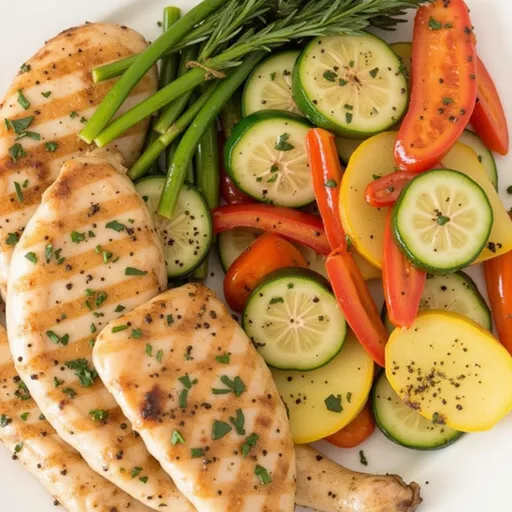
Eye-level shot of juicy grilled chicken breasts surrounded by sliced bell peppers and zucchini.

Let’s dive into the steps that will transform these fresh ingredients into a grilled masterpiece:

  1. In a mixing bowl, combine the olive oil, minced garlic, dried oregano, dried basil, salt, and black pepper. This marinade is where the magic begins—each ingredient works together to create a harmonious blend of flavor.
  2. Add the chicken breasts to the bowl, ensuring they are thoroughly coated in the marinade. For optimal flavor, let them marinate for at least 30 minutes. If you have the time, marinating overnight will take the flavor to the next level.
  3. Preheat your grill to medium-high heat. While it’s heating up, prepare your vegetables. Toss the sliced bell peppers, zucchini, and red onion with a drizzle of olive oil, a pinch of salt, and a sprinkle of pepper. This simple seasoning will enhance their natural sweetness and add another layer of flavor.
  4. Once the grill is ready, place the marinated chicken breasts on it. Grill for about 6-7 minutes per side or until the internal temperature reaches 165°F. This ensures that every bite is juicy and perfectly cooked.
  5. During the last five minutes of grilling, add the seasoned vegetables to the grill. Cook until they are tender and have beautiful grill marks, which will add a delightful charred flavor.
  6. Once everything is grilled to perfection, remove the chicken and vegetables from the grill and let them rest for a few minutes. This resting period helps the juices redistribute, keeping the chicken moist.
  7. Serve the grilled chicken alongside the sautéed veggies and garnish with lemon wedges. A squeeze of fresh lemon juice adds a refreshing brightness that elevates the entire dish.

Tips for Success

To ensure your grilled chicken and veggies turn out perfectly every time, consider these tips:

  • Don’t Rush the Marinade: The longer you let the chicken marinate, the more flavorful it will be. Aim for at least 30 minutes, but overnight is ideal.
  • Preheat the Grill: A hot grill is crucial for getting those lovely grill marks and the perfect sear on your chicken.
  • Use a Meat Thermometer: To avoid overcooking, use a meat thermometer to check the internal temperature of the chicken.
  • Experiment with Veggies: Feel free to mix in other vegetables like asparagus, carrots, or mushrooms based on your preferences.

Variations and Substitutions

This recipe is incredibly adaptable. Here are some ways to make it your own:

  • Herbs: Fresh herbs can be used in place of dried. Just double the amount for fresh herbs to really enhance the flavor.
  • Spice It Up: If you love heat, add a pinch of red pepper flakes to the marinade for an extra kick.
  • Different Proteins: Swap the chicken for shrimp or tofu for a quick vegetarian option.
  • Grilling Alternatives: If grilling isn’t an option, you can also roast the chicken and veggies in the oven at 400°F until cooked through.

Equipment You’ll Need

Before you get started, make sure you have the right tools:

  • A mixing bowl for the marinade
  • A grill (gas or charcoal) or oven if you opt to roast
  • A meat thermometer to check chicken doneness
  • Grilling tongs for flipping the chicken and veggies
  • Serving platter for presentation

Storage and Freezing Tips

If you happen to have leftovers (which is rare with this dish!), here’s how to store them:

  • Refrigeration: Store grilled chicken and veggies in an airtight container in the refrigerator for up to 3 days.
  • Freezing: For longer storage, you can freeze the grilled chicken and veggies for up to 3 months. Just make sure to let them cool completely before freezing.
  • Reheating: When ready to enjoy again, thaw in the refrigerator overnight and reheat in the oven or microwave until warmed through.

FAQs

Curious about making this dish? Here are some frequently asked questions:

  • Can I make this recipe ahead of time? Absolutely! You can marinate the chicken the night before and grill it when you’re ready to eat.
  • What can I serve with this dish? This grilled chicken and veggies pair beautifully with a side of quinoa, rice, or a fresh salad.
  • Can I use other herbs? Yes! Feel free to experiment with herbs like thyme, rosemary, or even cilantro for a different flavor profile.

Troubleshooting Common Issues

If you run into any hiccups while making this dish, here are some solutions:

  • Chicken is Dry: If your chicken turns out dry, it may have been overcooked. Keep an eye on the internal temperature and remove it from the grill as soon as it hits 165°F.
  • Vegetables are Soggy: If your veggies come out soggy, they may have been grilled too long or too close to the heat. Make sure to check them frequently.

Wrap Up Your Culinary Journey

Cooking is all about exploration, and this Grilled Garlic and Herb Chicken and Veggies recipe is the perfect way to dive into a world of flavor. It’s quick, easy, and wonderfully satisfying, making it ideal for busy weeknights or casual gatherings. The combination of juicy chicken and colorful vegetables not only looks fantastic on the plate but also tastes like a burst of summer sunshine.

So, gather your ingredients, fire up the grill, and let your culinary creativity shine. Remember, the kitchen is your playground—embrace the thrill of cooking with heat and spice. I can’t wait to hear how your grilled chicken turns out! Whether you stick to the recipe or add your own twist, this dish is sure to become a favorite. Happy grilling, friends!

Grilled Garlic and Herb Chicken and Veggies

Prep Time 10 minutes
Cook Time 20 minutes
Total Time 30 minutes
Servings 4 servings
Calories 350
A flavorful and healthy grilled dish featuring marinated chicken breasts paired with colorful vegetables, perfect for a summer meal.

Ingredients

Protein

  • 4 pieces boneless, skinless chicken breasts
  • 3 tablespoons olive oil
  • 4 cloves garlic, minced
  • 2 teaspoons dried oregano
  • 2 teaspoons dried basil
  • 1 teaspoon salt
  • 0.5 teaspoon black pepper

Vegetables

  • 2 pieces bell peppers (red and yellow), sliced
  • 1 piece zucchini, sliced
  • 1 red onion red onion, sliced
  • lemon wedges for serving lemon wedges (for serving)

Instructions 

  • Mix olive oil, garlic, oregano, basil, salt, and pepper. Marinate chicken for 30 minutes.
  • Preheat grill to medium-high. Toss vegetables with olive oil, salt, and pepper.
  • Grill chicken 6-7 minutes per side until cooked through. Add vegetables in last 5 minutes.
  • Rest chicken and vegetables briefly. Serve with lemon wedges.

Notes

Marinate the chicken for better flavor and tenderness.
Calories: 350kcal
Cost: $15
Course: Main Course
Cuisine: American
Keyword: chicken, grilled, vegetables

Nutrition

Calories: 350kcal | Carbohydrates: 20g | Protein: 45g | Fat: 12g | Sodium: 600mg

Loved this recipe? Save it to your favorite Pinterest board so you can easily find it later! It’s the perfect way to keep all your sweet ideas in one place. ✨

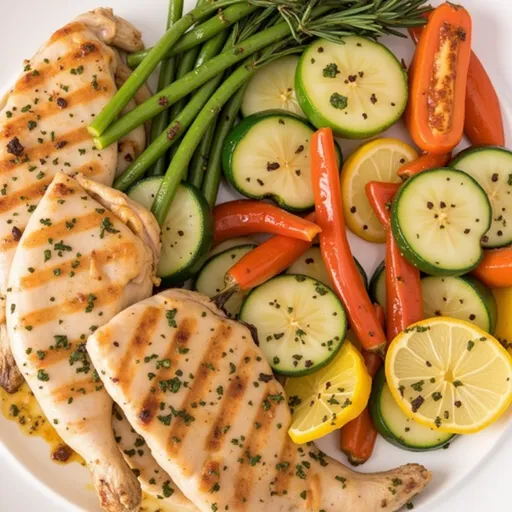
Deliciously plated grilled chicken and vegetables, showcasing a warm, inviting presentation.

Welcome to the Flavorful World of Vegan Moussaka

Ah, moussaka — a dish that whispers tales of Mediterranean warmth and heartiness. When I first laid eyes on this layered masterpiece, I knew it was destined to become a staple in my kitchen. This Vegan Moussaka is not just a meal; it’s an experience, a celebration of vibrant eggplants, robust lentils, and a creamy plant-based béchamel that will transport your taste buds straight to Greece. If you’re ready to dive into a world of flavors that will awaken your senses, then grab your apron, and let’s get cooking!

Why You’ll Love This Recipe

This isn’t just any vegan dish; it’s a culinary adventure! Here are five reasons to fall head over heels for this Vegan Moussaka:

  • Hearty and Satisfying: Layers of potatoes and eggplants create a filling dish that’s perfect for any occasion, whether a cozy family dinner or an impressive gathering with friends.
  • Nutritious and Wholesome: Packed with lentils and vegetables, this moussaka is a powerhouse of nutrition, providing ample fiber and protein to keep you energized.
  • Flavor Explosion: With spices like paprika and cinnamon, each bite bursts with rich, aromatic flavors that will leave you craving more.
  • Comfort Food Redefined: The creamy béchamel sauce adds a luscious finish, turning this dish into a comfort food classic that everyone can enjoy.
  • Customizable and Versatile: Easily swap ingredients or add your favorite veggies; this recipe adapts to your tastes and pantry staples!

Ingredient Breakdown: The Heart of Your Moussaka

Let’s dive into the ingredients that make this Vegan Moussaka so extraordinary. Each component plays a crucial role in creating a harmonious balance of flavors and textures.

  • Potatoes: Use about 2 pounds of peeled potatoes — Yukon Gold or Russets work best for their creaminess.
  • Eggplants: Three large eggplants will create that essential layer of flavor. Choose firm eggplants with shiny skin for the best results.
  • Olive Oil: A drizzle of olive oil helps to enhance the natural flavors of the vegetables; you can also use avocado oil if preferred.
  • Sea Salt & Pepper: Essential for seasoning; don’t skimp! Proper seasoning elevates every layer of your moussaka.
  • Cooked Lentils: About 3 cups (or 1 1/2 cups dried) lentils bring heartiness and protein to the dish.
  • Passata and Chopped Tomatoes: These create the base of your filling’s sauce, adding moisture and flavor. Feel free to use canned for convenience.
  • Onion and Garlic: Aromatic foundations that add depth to your filling. Chop finely for even distribution.
  • Herbs and Spices: Dried thyme, oregano, paprika, and a pinch of cinnamon create a fragrant mix that ties the whole dish together.
  • Vegan Butter and Plant-based Milk: For the béchamel, these ingredients create a creamy texture. Choose unsweetened almond or soy milk for best results.
  • Cornstarch and Nutritional Yeast: Cornstarch thickens the béchamel, while nutritional yeast adds a cheesy flavor without dairy.
  • Nutmeg: A pinch of nutmeg in the béchamel adds warmth and complexity.
  • Vegan Cheese (optional): For an extra layer of creaminess, sprinkle some vegan cheese atop the moussaka before baking.

Pro Tips for Perfecting Your Vegan Moussaka

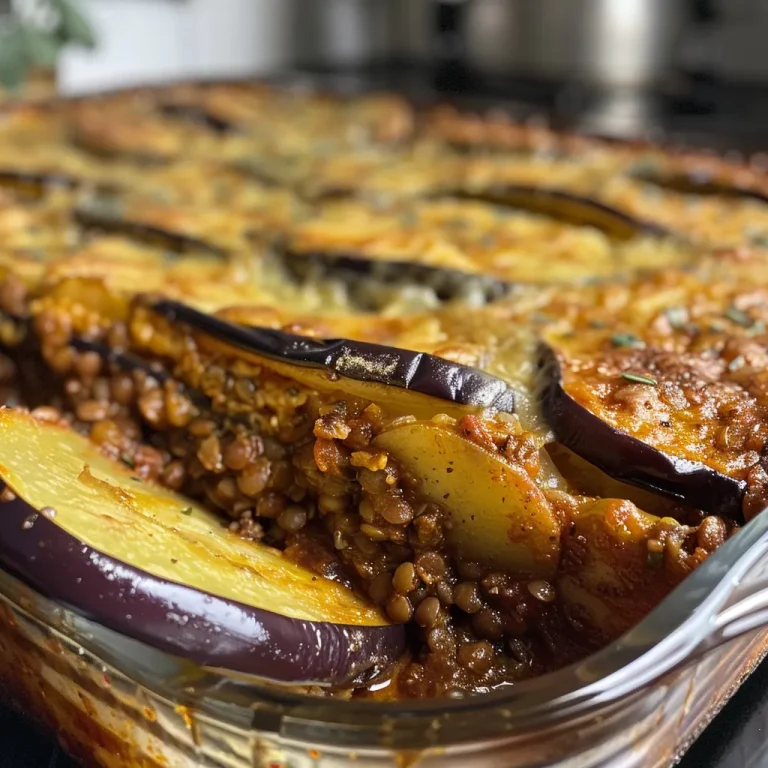
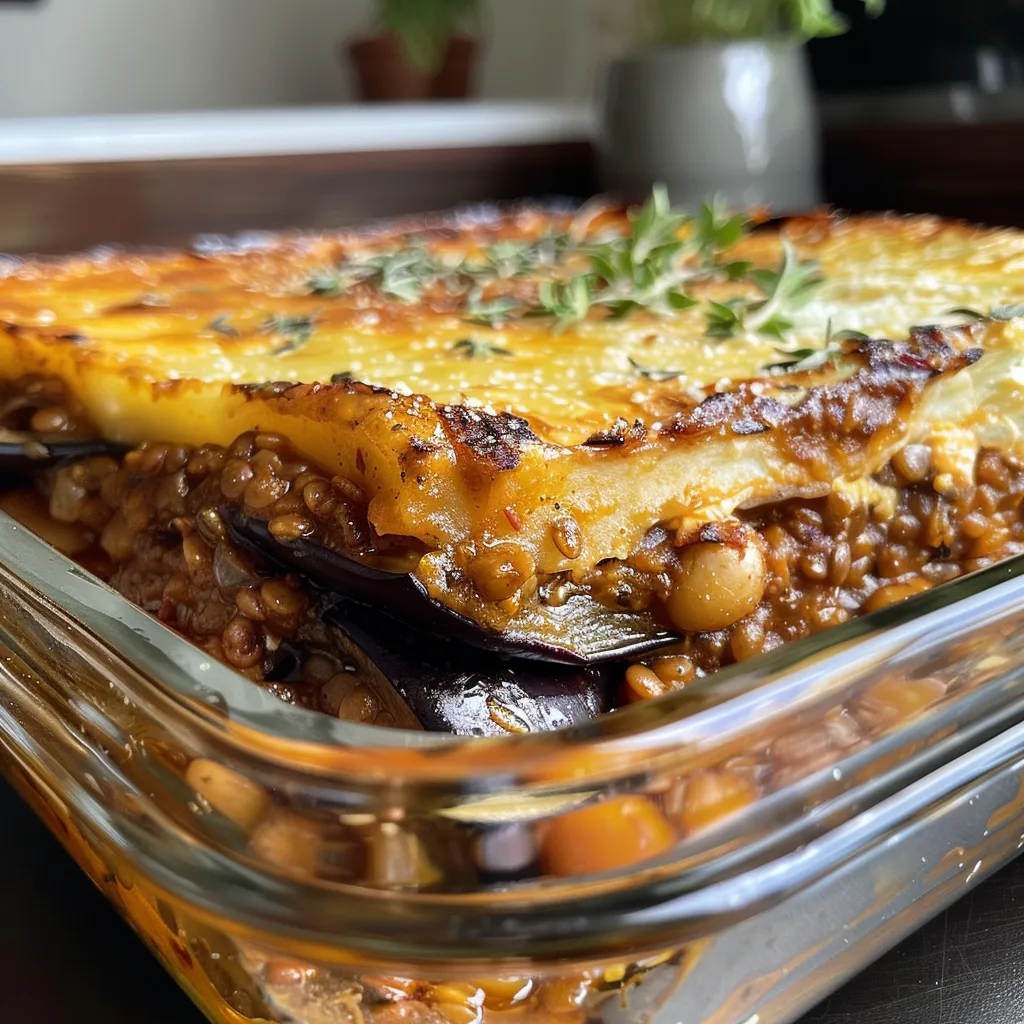
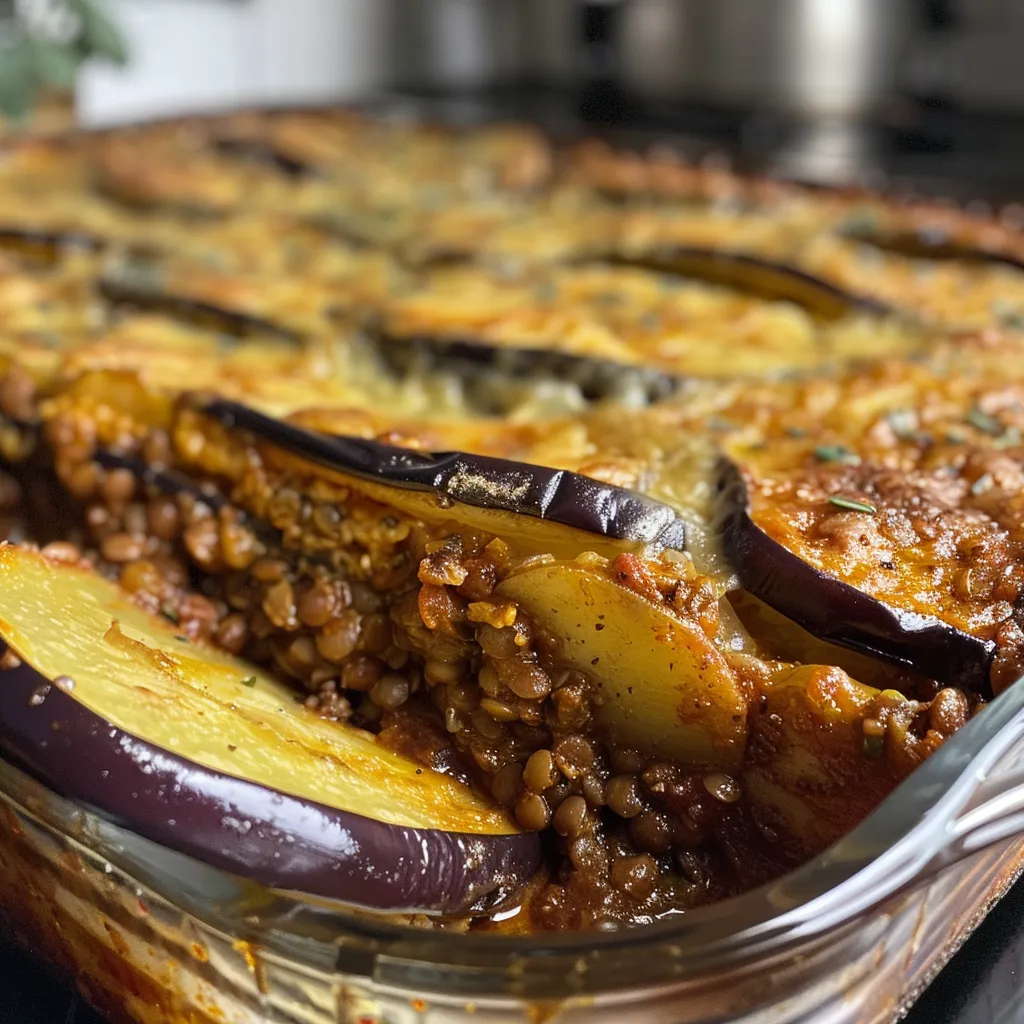
Side view of a delicious Vegan Moussaka slice with golden-brown eggplants and a rich topping.

Now that we have our ingredients ready, let’s talk about how to elevate this dish from great to unforgettable with these expert insights:

  • Pre-salt Eggplants: To remove excess moisture and bitterness, slice your eggplants, sprinkle with salt, and let them sit for 30 minutes. Rinse and dry before cooking.
  • Cook Lentils Properly: If using dried lentils, ensure they’re cooked until tender but not mushy. Overcooked lentils can turn your filling into a paste.
  • Layer Strategically: Alternate layers of potatoes, eggplants, and lentil filling. This not only enhances flavor but also ensures even cooking.
  • Don’t Rush the Béchamel: Whisk continuously while heating; this prevents lumps and creates a smooth consistency.
  • Let it Rest: After baking, let your moussaka sit for 15-20 minutes before serving. This allows the flavors to meld and makes slicing easier.
  • Experiment with Spices: Feel free to add in your favorite spices or fresh herbs to the filling for an extra kick of flavor.
  • Control the Creaminess: Adjust the amount of plant-based milk and cornstarch in the béchamel to achieve your desired creaminess.
  • Garnish Wisely: Fresh herbs, such as parsley or basil, make a beautiful and flavorful garnish that will brighten the dish.

Common Mistakes and Troubleshooting

Even the best chefs make mistakes, so here are some common pitfalls to avoid:

  • Overcooking Eggplants: They should be tender but not mushy; keep an eye on them while baking.
  • Skipping the Salt: Seasoning each layer is crucial; don’t forget to sprinkle salt and pepper as you build your moussaka.
  • Ignoring Rinsing: Always rinse your salted eggplants to avoid overly salty layers in the final dish.
  • Not Letting it Rest: Skipping the resting time can lead to a messy serving. Patience pays off!

Variations to Spice Up Your Moussaka

Feeling adventurous? Here are some variations to try:

  • Sweet Potato Moussaka: Substitute traditional potatoes with sweet potatoes for a touch of sweetness and vibrant color.
  • Mushroom Lover’s Moussaka: Add sautéed mushrooms to the lentil filling for an umami boost.
  • Spicy Moussaka: Incorporate some chopped chili peppers or a dash of cayenne into the filling for those who crave heat.
  • Greens Galore: Mix in some spinach or kale into the lentil filling for an extra nutrient punch.

Storage and Make-Ahead Instructions

Planning ahead? Here’s how to store and prepare your moussaka in advance:

  • Refrigerating: Store any leftovers in an airtight container in the fridge for up to 4 days.
  • Freezing: This dish freezes beautifully! Just ensure it’s well-wrapped or in a freezer-safe container for up to 3 months.
  • Make-Ahead: You can assemble the moussaka a day in advance, cover it, and refrigerate it until you’re ready to bake. Just add a few extra minutes to the cooking time!

Frequently Asked Questions

Got questions? I’ve got answers! Here are some common queries about this Vegan Moussaka:

  • Can I use store-bought béchamel? Yes, if you’re short on time, feel free to use a store-bought vegan béchamel sauce.
  • Is this recipe gluten-free? You can make it gluten-free by using cornstarch and gluten-free plant-based milk.
  • How do I reheat leftovers? Reheat in the oven at 350°F until warmed through, or microwave in individual portions.
  • Can I add meat substitutes? Absolutely! Crumbled tempeh or vegan sausage can create a heartier filling.
  • What’s the best way to serve moussaka? Serve warm, garnished with fresh herbs and a side salad for a complete meal.
  • Can I prepare this without oil? Yes, you can roast the vegetables with vegetable broth instead of oil for a lower-fat option.
  • How spicy is this recipe? The spiciness is mild, but you can adjust the heat level by adding more spices or fresh chilies.
  • What can I serve with moussaka? A light Greek salad or crusty bread works wonderfully alongside this dish.

Nutritional Tips and Dietary Adaptations

This Vegan Moussaka is not just delicious; it’s also a healthy option. Here’s how to make it even better for your diet:

  • Boost Protein: Add more lentils or some chickpeas to increase the protein content.
  • Lower Carbs: Swap some of the potatoes for thinly sliced zucchini for a lower-carb alternative.
  • Increase Fiber: Incorporate additional vegetables into the filling, like carrots or bell peppers, for extra fiber.
  • Watch the Sodium: Be mindful of how much salt you add, especially if using canned products.

Essential Equipment for Your Moussaka

Before you dive into cooking, be sure you have the right tools on hand:

  • Sharp Knife: For slicing eggplants and potatoes precisely.
  • Large Baking Dish: A 9×13 inch dish works perfectly for layering your moussaka.
  • Whisk: Essential for creating a smooth béchamel sauce.
  • Large Pot: For cooking lentils and sautéing the filling ingredients.

Serving Suggestions: Elevate Your Dining Experience

Presentation matters! Here are some delightful ways to serve your Vegan Moussaka:

  • Fresh Herbs: Garnish with chopped parsley or mint for a burst of color and freshness.
  • Lemon Wedges: A squeeze of fresh lemon juice adds brightness and balances the richness.
  • Side Salad: Pair with a crisp Greek salad for a refreshing contrast to the warm moussaka.
  • Crusty Bread: Serve with a slice of rustic bread to soak up the delicious béchamel sauce.

Cooking is an adventure, and with this Vegan Moussaka, you’re not just following a recipe — you’re crafting a culinary story. So, whether you’re a seasoned chef or a home cook ready to explore, embrace the flavors, make it your own, and enjoy every bite. Remember, the kitchen is your playground, and every dish is an opportunity to express your creativity. Now, let’s fire up those ovens and create something unforgettable!

Vegan Moussaka

Prep Time 30 minutes
Cook Time 45 minutes
Total Time 1 hour 15 minutes
Servings 6 servings
Calories 350
A hearty and flavorful vegan twist on the classic Mediterranean dish, layered with tender vegetables and a creamy plant-based sauce.

Ingredients

Vegetables

  • 2 pounds potatoes (peeled)
  • 3 large eggplants

Sauce & Filling

  • 3 cups cooked lentils ((about 1 1/2 cups dried))
  • 2 cups passata
  • 1 cup chopped tomatoes
  • 1 Tbsp olive oil
  • 1 large onion (chopped)
  • 2 cloves garlic (minced)
  • 1-2 tsp dried thyme
  • 1 tsp oregano
  • 1 tsp paprika
  • 1 tsp coconut sugar (or brown sugar)
  • 1 pinch cinnamon

Bechamel Sauce

  • 2 Tbsp vegan butter
  • 2 cups plant-based milk
  • 3 1/2 Tbsp cornstarch
  • 2 Tbsp nutritional yeast
  • 1 pinch nutmeg

Optional Topping

  • to taste Vegan cheese ((optional))

Instructions 

  • Preheat oven to 375°F (190°C). Slice potatoes and eggplants, brush with olive oil, and bake until tender.
  • Cook lentils and prepare tomato sauce with onion, garlic, bay leaves, and spices.
  • Layer cooked vegetables and lentil sauce in a baking dish, then prepare the vegan béchamel sauce.
  • Pour béchamel over the layered vegetables, top with vegan cheese if desired, and bake for 30-40 minutes.

Notes

For a richer flavor, let the dish rest for 10 minutes before serving.
Calories: 350kcal
Cost: $15
Course: Main Course
Cuisine: Mediterranean
Keyword: Vegan, vegetables

Nutrition

Calories: 350kcal | Carbohydrates: 60g | Protein: 18g | Fat: 8g | Sodium: 600mg

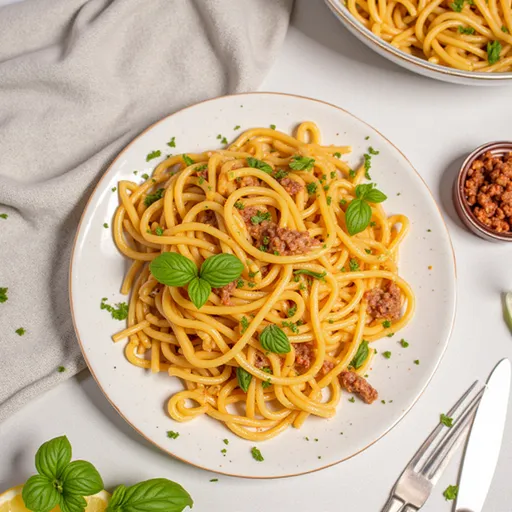
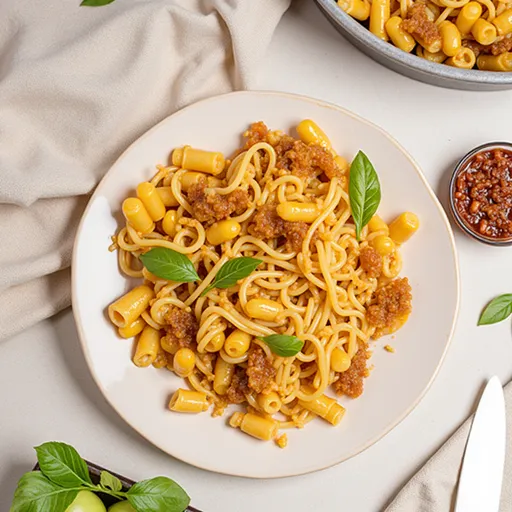
Why You’ll Adore This Pasta Dish

Imagine this: a dish that effortlessly marries simplicity and sophistication, transforming humble ingredients into a culinary delight. That’s the magic of Caramelized Onion Pasta. This vegan masterpiece showcases the sweet, rich flavors of perfectly caramelized onions, turning your average weeknight dinner into an unforgettable experience. It’s a celebration of sweetness, depth, and warmth, making it perfect for anyone seeking a quick yet satisfying meal.

Whether you’re a seasoned chef or a novice in the kitchen, this dish is approachable and allows for plenty of room to experiment. With just a handful of ingredients, you can create a symphony of flavors that will make your taste buds sing. Plus, it’s a fantastic way to elevate your pasta game without breaking the bank!

The Magic of Caramelized Onions

Let’s talk about the star of this dish: caramelized onions. The process of caramelizing onions involves cooking them slowly over low heat until their natural sugars break down and transform into a deep golden-brown color. This results in a sweet, savory flavor profile that adds incredible depth to any dish.

Caramelizing onions is an art form that requires patience, but the results are well worth the wait. When you take the time to caramelize your onions, you unlock a treasure trove of flavors that can elevate even the simplest meals. The slow cooking process enhances their sweetness, making them a perfect complement to the hearty pasta.

Key Ingredients You’ll Need

A bowl of spaghetti topped with richly caramelized onions and a sprinkle of nutritional yeast.

To whip up this delicious vegan pasta, gather the following ingredients:

  • 250g pasta (spaghetti or fettuccine work beautifully)
  • 2 large onions, thinly sliced
  • 3 tablespoons olive oil
  • 2 cloves garlic, minced
  • 1 teaspoon balsamic vinegar
  • Salt and pepper to taste
  • Fresh parsley, chopped (for garnish)
  • Nutritional yeast or vegan parmesan (optional, for those creamy, cheesy vibes)

How to Create This Flavorful Dish

Making Caramelized Onion Pasta is a delightful journey that can be broken down into simple steps. Let’s dive right in:

1. Cook the Pasta

Begin by cooking the pasta according to the package instructions. Once it’s perfectly al dente, drain and set aside. Make sure to reserve a cup of pasta water; this liquid will help you achieve that luscious sauce later on!

2. Sauté the Onions

In a large skillet, heat the olive oil over medium heat. Add the sliced onions and allow them to cook, stirring occasionally for about 15-20 minutes. Be patient! You want them to turn a beautiful golden-brown and achieve that sweet, caramelized flavor.

3. Add Garlic

Once the onions are caramelized to perfection, stir in the minced garlic. Cook for an additional 1-2 minutes until the garlic becomes fragrant. This step infuses the dish with an aromatic depth that harmonizes beautifully with the sweet onions.

4. Flavor It Up

Next, stir in the balsamic vinegar, salt, and pepper. This will enhance the flavors and add a touch of acidity that balances the sweetness of the onions. Give everything a good mix to ensure the flavors meld together.

5. Combine with Pasta

Now, it’s time to bring it all together! Add the cooked pasta to the skillet and toss gently to combine it with the caramelized onions. If the mixture seems a bit dry, drizzle in some reserved pasta water until you reach your desired consistency.

6. Serve and Garnish

Serve your pasta hot, garnished with fresh parsley and a sprinkle of nutritional yeast or vegan parmesan if you’re feeling cheesy. This dish is best enjoyed fresh, but it also holds up well as leftovers!

Tips for the Perfect Dish

Here are a few tips to ensure your Caramelized Onion Pasta turns out perfectly:

  • Patience is Key: Take your time caramelizing the onions. Rushing this step will lead to less flavor. Low and slow is the way to go!
  • Experiment with Flavors: Don’t hesitate to add additional spices or herbs. Thyme, rosemary, or even a pinch of red pepper flakes can elevate the flavor further.
  • Adjust for Dietary Needs: This recipe is easily customizable. Need it gluten-free? Swap out the pasta for your favorite gluten-free alternative.

Variations to Try

If you’re looking to mix things up, here are a few variations you can experiment with:

  • Add Vegetables: Toss in some spinach, kale, or roasted bell peppers for added nutrition and color.
  • Protein Boost: Incorporate chickpeas or lentils for a protein-packed meal that will keep you satisfied.
  • Creamy Twist: For a creamier sauce, stir in a splash of coconut cream or cashew cream at the end.

Substitutions for Ingredients

Running low on ingredients? Here are some easy substitutions you can use:

  • Pasta: Any type of pasta works! Try whole wheat, gluten-free, or even zoodles for a low-carb option.
  • Onions: Shallots or leeks can be used in place of onions for a unique flavor twist.
  • Balsamic Vinegar: If you don’t have balsamic vinegar, a splash of red wine vinegar or apple cider vinegar can work in a pinch.

Storage and Freezing

This pasta dish is best enjoyed fresh, but if you have leftovers, here’s how to store them:

  • Refrigeration: Store in an airtight container in the fridge for up to 3 days.
  • Freezing: This dish can be frozen, though the texture of the onions may change slightly. Place in a freezer-safe container for up to 2 months. Thaw in the fridge overnight before reheating.

FAQs

Can I make this dish ahead of time?
Absolutely! You can caramelize the onions and cook the pasta ahead of time. Just combine and heat when you’re ready to serve.

What can I serve with this pasta?
This dish pairs beautifully with a simple green salad or some crusty bread for a complete meal.

Is this recipe suitable for meal prep?
Yes! It’s a fantastic option for meal prep. Just store the pasta and sauce separately to maintain the best texture.

Troubleshooting Common Issues

My onions aren’t caramelizing: Ensure you’re cooking over low to medium heat. If the heat is too high, they may burn instead of caramelizing. Patience is key!

The sauce is too dry: If your pasta seems dry, add a little more reserved pasta water until you reach your desired consistency.

Conclusion: Embrace the Adventure of Cooking

Cooking should never be a chore; it’s an adventure waiting to unfold. With Caramelized Onion Pasta, you have the perfect opportunity to explore flavors and textures while creating a dish that’s not only delicious but also profoundly satisfying. So grab your skillet, embrace the heat, and let your taste buds embark on a flavorful journey. Remember, every meal is a chance to tell a story — make yours unforgettable with this delightful recipe!

Caramelized Onion Pasta: Easy Plant-based Dinner

Prep Time 5 minutes
Cook Time 20 minutes
Total Time 25 minutes
Servings 4 servings
Calories 450
A simple and flavorful plant-based pasta dish featuring sweet caramelized onions and a savory balsamic glaze.

Ingredients

Pasta

  • 250 g pasta (spaghetti or fettuccine)

Onions

  • 2 large large onions, thinly sliced

Olive oil

  • 3 tablespoons olive oil

Garlic

  • 2 cloves garlic, minced

Balsamic vinegar

  • 1 teaspoon balsamic vinegar

Salt and pepper

  • to taste salt and pepper

Fresh parsley

  • for garnish fresh parsley, chopped

Nutritional yeast or vegan parmesan

  • optional nutritional yeast or vegan parmesan

Instructions 

  • Cook pasta according to package instructions. Drain and set aside.
  • Heat olive oil in a skillet over medium heat. Add sliced onions and cook until golden brown, about 15-20 minutes.
  • Add minced garlic and cook for 1-2 minutes. Stir in balsamic vinegar, salt, and pepper.
  • Combine cooked pasta with caramelized onions and toss well. Garnish with parsley and optional nutritional yeast.

Notes

For extra flavor, sprinkle with additional herbs or vegan cheese.
Calories: 450kcal
Cost: $12
Course: Main Course
Cuisine: Plant-based
Keyword: onions, pasta, Vegan

Nutrition

Calories: 450kcal | Carbohydrates: 80g | Protein: 14g | Fat: 12g | Sodium: 300mg

Loved this recipe? Save it to your favorite Pinterest board so you can easily find it later! It’s the perfect way to keep all your sweet ideas in one place. ✨

Enticing fettuccine pasta adorned with golden onions and herbs, set against a softly blurred background.

Why You’ll Love These Sticky Chicken Rice Bowls

Are you ready to take your weeknight dinners to the next level? These Sticky Chicken Rice Bowls are not just a meal; they are a culinary adventure bursting with flavor and satisfaction. Imagine tender, juicy chicken thighs marinated in a sweet and savory sauce, served atop a bed of fluffy brown rice and vibrant vegetables. This dish is all about balance — the warmth of the chicken, the nuttiness of the sesame oil, and the freshness of colorful toppings come together to create a delightful experience for your taste buds. Plus, it’s healthy, easy to prepare, and perfect for busy weeknights!

Overview of Sticky Chicken Rice Bowls

Sticky Chicken Rice Bowls offer a wonderful blend of textures and flavors. The marinated chicken provides a sweet and savory punch, while the brown rice serves as the perfect canvas to soak up all that delicious sauce. The addition of steamed broccoli and julienned carrots not only adds a pop of color but also boosts the nutritional value, making this dish a fantastic choice for families looking to eat healthier without sacrificing taste.

Ingredients for Sticky Chicken Rice Bowls Recipe

A detailed shot of Sticky Chicken Rice Bowls featuring juicy chicken thighs, colorful vegetables, and sesame seeds in a cozy setting.

To whip up these delightful bowls, gather the following ingredients:

  • 2 cups cooked brown rice
  • 1 lb boneless, skinless chicken thighs
  • 1/4 cup soy sauce
  • 2 tablespoons honey
  • 2 tablespoons rice vinegar
  • 1 tablespoon sesame oil
  • 2 cloves garlic, minced
  • 1 inch ginger, grated
  • 1 cup broccoli florets
  • 1 carrot, julienned
  • 2 green onions, sliced
  • Sesame seeds for garnish

Step-by-Step Preparation of Sticky Chicken Rice Bowls Recipe

Step 1: Marinating the Chicken

Start by creating the marinade that will elevate your chicken to new heights. In a large bowl, mix together the soy sauce, honey, rice vinegar, sesame oil, minced garlic, and grated ginger. This concoction is the heart of your dish, infusing the chicken with rich flavor. Once combined, add in the chicken thighs, ensuring they are thoroughly coated with the marinade. Cover the bowl with plastic wrap and let it marinate for at least 30 minutes. If you have time, a few hours or even overnight in the fridge will enhance the flavor even more!

Step 2: Preparing the Vegetables

While your chicken is soaking up those heavenly flavors, it’s time to prep your veggies. Take your broccoli and carrot. Steam them until tender, which should take about 5-7 minutes. You want them to be vibrant and crunchy, adding a fresh contrast to the sticky chicken. Set them aside and let them cool.

Step 3: Cooking the Chicken

Once your chicken has marinated to perfection, it’s time to cook! Heat a skillet over medium-high heat and add the marinated chicken thighs. Sear them for about 5-7 minutes on each side, or until they’re golden brown and cooked through. This step is crucial for locking in flavor and achieving that delicious, sticky glaze. After cooking, remove the chicken from the skillet and let it rest for a few minutes before slicing.

Step 4: Assembling the Bowls

Now comes the fun part: assembling your Sticky Chicken Rice Bowls! In serving bowls, layer the cooked brown rice as your base. Then, add the steamed broccoli and carrots. Slice the rested chicken thighs and place them on top of the rice and veggies. For an extra burst of flavor, drizzle any remaining marinade over the top. Finally, garnish with sliced green onions and a sprinkle of sesame seeds. Your bowls are now ready to impress!

Variations of Sticky Chicken Rice Bowls Recipe

One of the best things about these bowls is their versatility! Here are some exciting variations you might consider:

  • Vegetarian Options: Swap the chicken for tofu or tempeh, marinating and cooking them in the same way. You could also use chickpeas for a protein-packed twist!
  • Different Sauces to Try: Experiment with different marinades! A sweet chili sauce or a spicy gochujang could bring a completely new flavor to your bowls.

Tips for Perfecting Your Sticky Chicken Rice Bowls

Here are a few tips to ensure your Sticky Chicken Rice Bowls turn out perfectly every single time:

  • Use Fresh Ingredients: Fresh chicken, vegetables, and spices will elevate your dish. Whenever possible, opt for organic chicken thighs for a more robust flavor.
  • Don’t Rush the Marinade: The longer you let the chicken marinate, the more flavor it will absorb. Aim for at least 30 minutes but let it sit for a couple of hours if you can.
  • Watch Your Cooking Times: Ensure your skillet is hot enough before adding the chicken to achieve that perfect sear. Overcrowding the pan can lead to steaming instead of searing.
  • Presentation Matters: Take your time while assembling your bowls. A beautifully layered bowl is not only visually appealing but also enhances the overall dining experience.

Storage and Freezing Tips

If you have leftovers, they can be stored in an airtight container in the refrigerator for up to three days. For longer storage, consider freezing individual portions. To reheat, simply thaw in the fridge overnight and warm in the microwave or on the stove. Just remember that the sauce may thicken after freezing, so add a splash of water when reheating to bring it back to life!

Frequently Asked Questions

Can I use brown rice instead of white rice?

Absolutely! Brown rice not only adds a nutty flavor but also packs in more nutrients compared to white rice. Plus, it’s fantastic for soaking up that sticky sauce!

How can I make the dish spicier?

If you’re looking for a kick, try adding red pepper flakes to the marinade or serve with Sriracha on the side. You could also experiment with a spicy sauce variation.

What are some good toppings for Sticky Chicken Rice Bowls?

In addition to green onions and sesame seeds, try adding sliced avocado, pickled cucumbers, or even a drizzle of spicy mayo for an extra layer of flavor!

Can I prepare the chicken in advance?

Yes! You can marinate the chicken a day ahead and store it in the fridge. Just make sure to cook it thoroughly when you’re ready to serve.

Wrapping Up Your Flavor Adventure

In just about 45 minutes, you can create a meal that’s not only delicious but also visually stunning and incredibly satisfying. These Sticky Chicken Rice Bowls are sure to become a staple in your recipe collection. They’re perfect for family dinners, meal prep, or even impressing guests on a casual weeknight. Remember, cooking is all about exploring and enjoying the process. So grab your skillet, embrace the flavors, and get ready to spice up your dining table with these delightful bowls!

Sticky Chicken Rice Bowls Recipe: A Simple and Healthy Dinner Idea!

Prep Time 15 minutes
Cook Time 20 minutes
Total Time 35 minutes
Servings 4 servings
Calories 550
Enjoy a flavorful and healthy dinner with these easy-to-make sticky chicken rice bowls, packed with fresh vegetables and savory marinade.

Ingredients

Cooked Rice

  • 2 cups cooked brown rice

Chicken

  • 1 lb boneless, skinless chicken thighs

Sauces and seasonings

  • 1/4 cup soy sauce
  • 2 tablespoons honey
  • 2 tablespoons rice vinegar
  • 1 tablespoon sesame oil
  • 2 cloves garlic, minced
  • 1 inch ginger, grated

Vegetables

  • 1 cup broccoli florets
  • 1 carrot julienned carrot

Garnishes

  • 2 green onions sliced green onions
  • Sesame seeds for garnish

Instructions 

  • Mix soy sauce, honey, rice vinegar, sesame oil, garlic, and ginger to make the marinade.
  • Add chicken to marinade and let sit for 30 minutes.
  • Steam broccoli and carrots until tender.
  • Cook chicken in a skillet for 5-7 minutes per side until cooked through.
  • Slice chicken and layer with rice and vegetables in bowls. Garnish with green onions and sesame seeds.

Notes

Use fresh ingredients for best flavor and adjust vegetables as desired.
Calories: 550kcal
Cost: $15
Course: Dinner
Cuisine: Asian
Keyword: chicken, healthy, Rice

Nutrition

Calories: 550kcal | Carbohydrates: 70g | Protein: 35g | Fat: 15g | Sodium: 1500mg

Loved this recipe? Save it to your favorite Pinterest board so you can easily find it later! It’s the perfect way to keep all your sweet ideas in one place. ✨

An appetizing presentation of Sticky Chicken Rice Bowls showcasing tender chicken and fresh broccoli, captured in warm natural light.